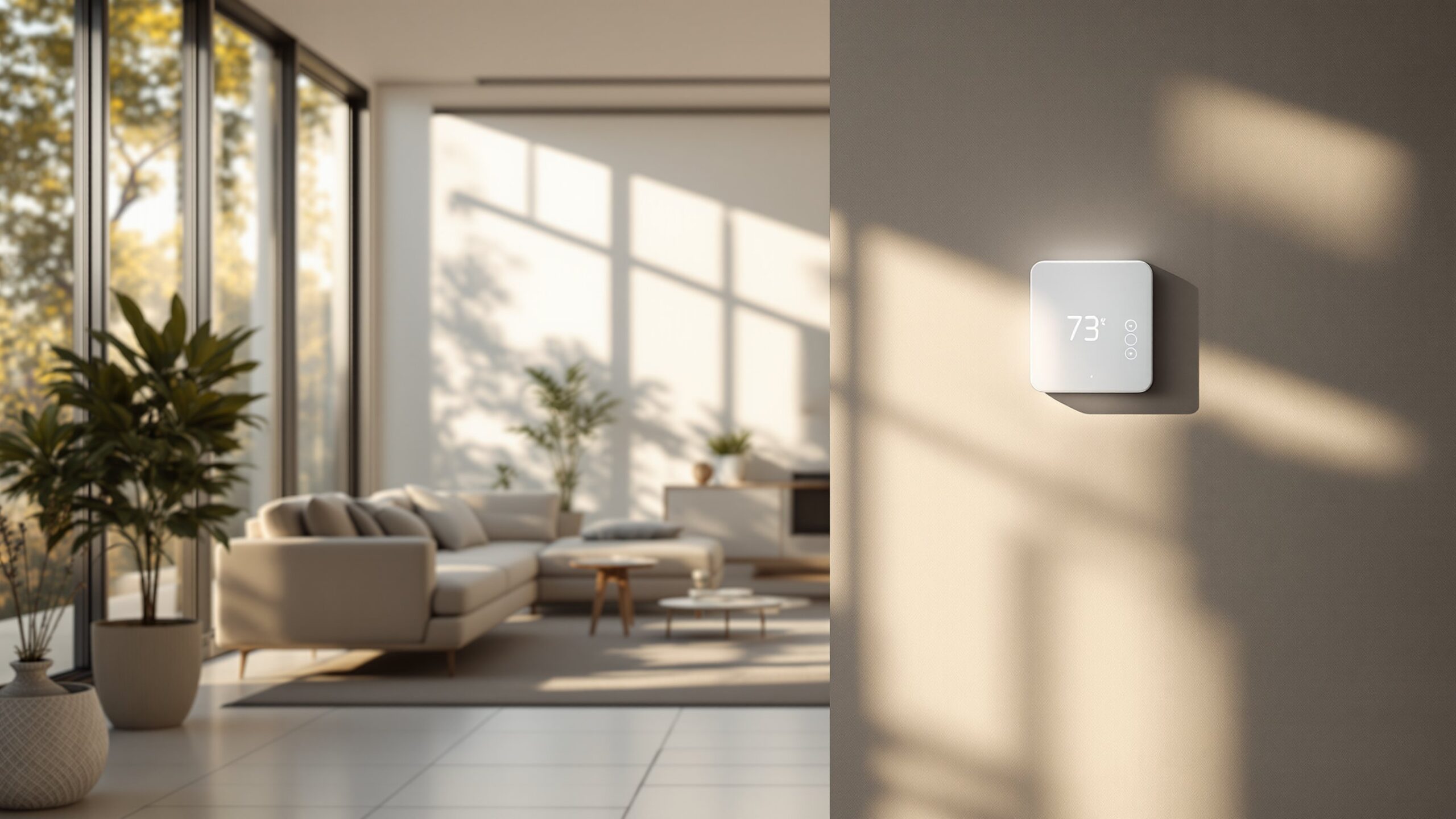
In today’s connected homes, comfort is no longer a static setting—it’s dynamic, responsive, and increasingly intelligent. Smart thermostats have emerged as one of the most popular upgrades for homeowners looking to blend convenience, efficiency, and long-term savings. But with higher upfront costs compared to traditional thermostats, a key question remains: are smart thermostats truly worth it? The answer depends on more than just price tags. It involves understanding how these devices work, how they impact energy consumption, and how they fit into your lifestyle. From automated schedules to real-time learning capabilities, smart thermostats promise not just comfort—but optimization. This article breaks down the real savings, practical benefits, and hidden considerations so you can decide whether this upgrade delivers real value for your home.
A: Usually yes if your HVAC costs are significant, your schedule changes often, or rebates lower the purchase price.
A: It varies widely, but the best results come from reducing wasted heating and cooling during unoccupied hours.
A: No. Compatibility must be checked carefully, especially with heat pumps, multi-stage systems, line-voltage systems, or proprietary wiring.
A: Often yes, though some models or adapter kits can work around missing common-wire setups.
A: It can, but savings may be smaller unless you still use schedules, zones, or room sensors effectively.
A: Many are DIY-friendly, but complicated HVAC systems may need a professional to avoid wiring or setup mistakes.
A: Yes, especially in homes with hot and cold spots or rooms used heavily at different times of day.
A: Not completely. It helps control waste, but insulation, air sealing, duct health, and HVAC condition still matter a lot.
A: Automatic scheduling and away-mode control are often the most dependable real-world savings drivers.
A: When your system is incompatible, your energy use is already tightly managed, or your home has bigger efficiency problems that should be solved first.
What Makes a Thermostat “Smart”?
At its core, a smart thermostat is a Wi-Fi-enabled device that allows you to control your home’s heating and cooling remotely—usually through a smartphone app. But that’s just the beginning. What sets smart thermostats apart is their ability to learn your habits, adapt to your schedule, and make automatic adjustments that reduce energy waste without sacrificing comfort.
Unlike programmable thermostats, which require manual input, smart thermostats use sensors, data analysis, and sometimes even geolocation to anticipate your needs. If you leave the house unexpectedly, your thermostat can switch to an energy-saving mode. If you return early, it can warm or cool your home before you walk through the door. Over time, these small adjustments add up to meaningful efficiency gains.
How Smart Thermostats Save Energy
The primary selling point of smart thermostats is energy efficiency. Heating and cooling account for a significant portion of household energy use—often nearly half of a typical home’s energy bill. That means even small improvements in efficiency can lead to noticeable savings.
Smart thermostats reduce energy waste in several key ways. First, they eliminate the need for constant manual adjustments. Many homeowners forget to lower the temperature when leaving the house or going to sleep. A smart thermostat handles this automatically, ensuring your system isn’t running unnecessarily.
Second, learning algorithms optimize your schedule. Instead of following rigid programming, the thermostat adapts to real-life patterns. If you consistently lower the temperature at night, it learns to do so automatically. If weekends look different from weekdays, it adjusts accordingly.
Third, features like geofencing use your phone’s location to determine whether you’re home or away. This allows the thermostat to shift into energy-saving mode when the house is empty and resume comfort settings when you return.
Finally, some models integrate with weather forecasts, adjusting heating or cooling based on outdoor conditions. On milder days, your system may run less aggressively, further reducing energy consumption.
Real Savings: What the Data Shows
One of the most important questions for any homeowner is how much money a smart thermostat can actually save. While results vary depending on climate, home size, and usage habits, several studies and real-world reports provide useful benchmarks.
On average, smart thermostats can reduce heating and cooling costs by about 10% to 20%. For a typical household spending $1,500 annually on HVAC, that translates to savings of $150 to $300 per year. In regions with extreme temperatures—whether hot summers or cold winters—these savings can be even higher.
Some manufacturers claim even greater efficiency gains, especially when advanced features like occupancy sensors and adaptive learning are fully utilized. However, it’s important to approach these claims with a realistic perspective. The biggest savings occur when a smart thermostat replaces inefficient habits, such as leaving the system running all day in an empty home.
The return on investment becomes clearer when you consider the device’s lifespan. With most smart thermostats costing between $100 and $300, many users recoup their investment within one to three years. After that, the continued energy savings effectively become long-term financial benefits.
Beyond Savings: The Value of Convenience
While cost savings are a major factor, they are only part of the equation. Smart thermostats also offer a level of convenience that traditional systems simply can’t match. The ability to adjust your home’s temperature from anywhere—whether you’re at work, on vacation, or just in bed—adds a new layer of control.
Imagine leaving for a trip and realizing you forgot to turn down the heat. With a smart thermostat, a quick tap on your phone solves the problem instantly. Or consider returning home on a cold day—you can warm your space before you even arrive.
Voice control integration with systems like smart speakers adds another level of ease. Instead of walking to the wall, you can simply ask your device to adjust the temperature. Over time, these small conveniences enhance daily life in ways that go beyond energy savings.
Comfort That Adapts to You
Comfort is deeply personal, and smart thermostats excel at tailoring environments to individual preferences. Unlike static systems, they continuously refine their behavior based on your habits. This creates a home environment that feels intuitive rather than programmed.
For example, some smart thermostats track how quickly your home heats or cools and adjust timing accordingly. If your system needs 20 minutes to reach a comfortable temperature, it begins the process in advance—so the desired temperature is achieved exactly when you need it.
Zoning capabilities in certain setups allow different areas of your home to be controlled independently. This means you can keep bedrooms cooler at night while maintaining a comfortable temperature in living spaces during the day. The result is not just efficiency, but a more personalized living experience.
Environmental Impact: A Greener Choice
Energy efficiency isn’t just about saving money—it’s also about reducing environmental impact. By lowering energy consumption, smart thermostats contribute to reduced greenhouse gas emissions. For environmentally conscious homeowners, this adds another layer of value.
Even modest reductions in energy use can have a cumulative effect. When millions of households adopt more efficient technologies, the overall impact becomes significant. Smart thermostats represent a practical step toward more sustainable living without requiring major lifestyle changes.
Installation and Compatibility Considerations
Before investing in a smart thermostat, it’s important to consider installation requirements and system compatibility. Most smart thermostats are designed to work with common HVAC systems, but not all homes are equally equipped.
One common requirement is a “C-wire,” which provides continuous power to the thermostat. Older homes may not have this wiring, which can complicate installation. However, many manufacturers offer adapters or alternative solutions to address this issue.
Installation itself is often straightforward, especially for those comfortable with basic DIY projects. In many cases, it involves replacing an existing thermostat and connecting a few wires. For more complex systems, professional installation may be recommended.
Compatibility with your existing HVAC system is crucial. Heat pumps, multi-stage systems, and older equipment may require specific models or configurations. Taking the time to verify compatibility ensures that your smart thermostat functions as intended.
Potential Downsides to Consider
While smart thermostats offer numerous benefits, they are not without drawbacks. Understanding these limitations helps set realistic expectations.
Upfront cost is the most obvious consideration. While long-term savings can offset this expense, the initial investment may be a barrier for some homeowners. Additionally, the full benefits of a smart thermostat depend on consistent use of its features. Simply installing one without engaging with its capabilities may limit potential savings.
Privacy is another factor. Because smart thermostats collect data about your habits and home environment, some users may have concerns about data security. Reputable manufacturers implement strong security measures, but it’s still important to understand how your data is used.
Connectivity is also essential. Since smart thermostats rely on Wi-Fi, interruptions in internet service can temporarily limit remote control features. However, most devices continue to function as basic thermostats even when offline.
Who Benefits Most from Smart Thermostats?
Smart thermostats are not a one-size-fits-all solution, but certain households stand to gain the most. Homes with variable schedules—where occupants come and go at different times—benefit significantly from automated adjustments. Similarly, larger homes with higher energy usage often see more noticeable savings.
Frequent travelers or remote workers also find value in the ability to control temperature settings from anywhere. Even for smaller homes, the convenience and incremental savings can justify the investment.
On the other hand, households with very consistent routines or minimal heating and cooling needs may see less dramatic benefits. In these cases, a well-programmed traditional thermostat might provide sufficient efficiency.
Smart Home Integration: The Bigger Picture
Smart thermostats are often part of a larger smart home ecosystem. When integrated with other devices—such as smart lights, sensors, and home assistants—they contribute to a more cohesive and automated living environment.
For example, a smart thermostat can work in tandem with smart blinds to regulate indoor temperature based on sunlight. It can also coordinate with occupancy sensors to adjust settings room by room. This level of integration amplifies both convenience and efficiency.
As smart home technology continues to evolve, thermostats are becoming central hubs rather than standalone devices. Investing in one today can be a stepping stone toward a more connected and intelligent home.
Are They Worth It? The Final Verdict
So, are smart thermostats worth it? For most homeowners, the answer is yes—but with some nuance. The combination of energy savings, convenience, and improved comfort makes them a compelling upgrade. While the upfront cost may seem significant, the long-term financial and lifestyle benefits often outweigh the initial investment.
The key to maximizing value lies in how the thermostat is used. Engaging with its features, allowing it to learn your habits, and taking advantage of automation all contribute to better outcomes. When used effectively, a smart thermostat doesn’t just control temperature—it transforms how your home operates.
Making the Smart Choice
Choosing whether to invest in a smart thermostat ultimately comes down to your priorities. If you value convenience, want to reduce energy costs, and are interested in modern home technology, the benefits are clear. If your current system already meets your needs and your schedule rarely changes, the upgrade may be less urgent.
In a world where efficiency and sustainability are becoming increasingly important, smart thermostats represent a practical and accessible step forward. They bridge the gap between comfort and responsibility, offering a smarter way to manage one of the most essential aspects of daily life.
As homes continue to evolve, the question may soon shift from “Are smart thermostats worth it?” to “Why haven’t you upgraded yet?”