

Dehumidifiers are the quiet climate heroes that bring balance, comfort, and protection to your home. Designed to pull excess moisture from the air, these powerful appliances help create healthier living spaces by reducing dampness, musty odors, and the conditions that allow mold and mildew to thrive. Whether you’re dealing with a humid basement, a moisture-prone laundry room, or sticky summer air throughout your home, the right dehumidifier can make an immediate and noticeable difference. On Appliance Street, our Dehumidifiers hub explores everything from compact units for small rooms to high-capacity models built for whole-home moisture control. You’ll discover how humidity levels affect air quality, furniture, electronics, and even energy efficiency, along with practical guidance on sizing, features, maintenance, and placement. We also dive into smart dehumidifiers, energy-saving innovations, and modern designs that blend seamlessly into today’s homes. If you’re aiming for fresher air, greater comfort, and long-term protection for your living spaces, this collection is your go-to destination for clear, practical, and up-to-date dehumidifier insights.
A: Start around 50% RH, then adjust to comfort; many aim for 45–55% to discourage mold.
A: That’s normal for compressor units—the condenser reheats the air after moisture condenses on the cold coil.
A: Bigger/damper spaces need more capacity; if it runs nonstop and RH stays high, you likely need a higher pint rating or better sealing.
A: Some units struggle in cool temps; look for models designed for lower-temperature operation or consider a desiccant style.
A: Yes if you have a reliable downward slope to a drain—continuous draining is easier and prevents frequent shutoffs.
A: Often low room temp, dirty filter, or restricted airflow—clean the filter and ensure good clearance; use defrost mode if available.
A: Check/clean the air filter regularly and rinse the bucket/drain path to prevent slime and odors.
A: Standing water or a damp coil can cause odor—clean the bucket, wipe the tank area, and let the unit “fan-dry” if it has that feature.
A: Many are designed to, but it’s best to use a setpoint so it cycles—continuous mode is for very damp situations.
A: Close windows/doors, improve airflow to damp corners, and make sure the filter is clean and the unit is properly sized.
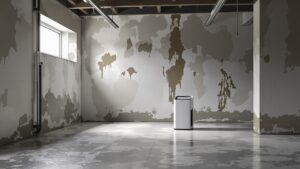
Best Dehumidifier for Basements: Powerful Picks That Stop Dampness Fast
Turn your damp, musty basement into a fresh, usable space with the best dehumidifiers of 2026. From powerful high-capacity units to energy-efficient performers, these top picks remove moisture fast, protect your home, and restore comfort where it matters most.

Best Dehumidifiers of 2026: Top Picks for Every Room Size
From damp basements to cozy bedrooms, the best dehumidifiers of 2026 bring powerful moisture control to every corner of your home. Explore top-performing picks designed for every room size, with smarter features, quieter operation, and energy-efficient performance that transforms comfort and protects your space year-round.