

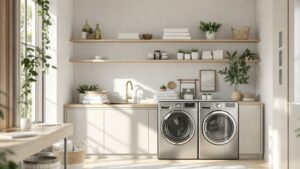
Best Energy-Efficient Washing Machines for Lower Bills and Cleaner Clothes
Modern washing machines are smarter, faster, and far more efficient than ever before. Discover how energy-saving washers reduce water and electricity use while delivering spotless clothes. From advanced drum designs to AI-powered cycles, today’s machines can transform laundry day into a cleaner, greener, and more cost-effective routine for your home.
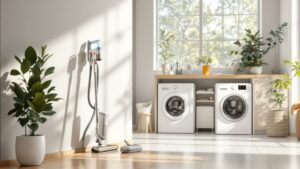
Eco-Friendly Cleaning Appliances: A Beginner’s Guide to Greener Homes
Cleaning your home shouldn’t cost the planet. Discover how eco-friendly cleaning appliances—from smart washers to powerful steam cleaners—deliver sparkling results while saving energy, reducing water use, and cutting chemical exposure. This beginner’s guide explores the technologies transforming everyday cleaning into a smarter, greener routine for modern homes.
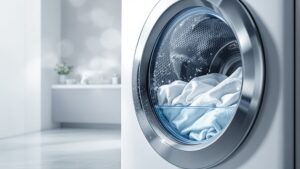
How Eco Washing Machines Save Water Without Sacrificing Performance
Eco washing machines are transforming modern laundry by using smart technology, precision water control, and innovative drum motion to clean clothes thoroughly while using far less water. Discover how these high-efficiency appliances deliver powerful performance, protect fabrics, and help households save both money and natural resources without sacrificing the quality of every wash.