


How Connected Cleaning Systems Save Time, Money, and Effort
Connected cleaning systems can reduce repeated chores, protect floors, and make cleaning easier to schedule when the devices fit the home.
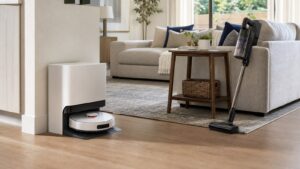
Smart Cleaning Systems Explained: Everything You Need to Know
Smart cleaning systems combine connected devices, sensors, schedules, and maintenance alerts to make routine home cleaning more predictable.

Are Connected Cleaning Systems Worth It? Pros, Cons, and Costs
Connected cleaning systems are worth it for some homes, but the payoff depends on floor plans, mess patterns, maintenance tolerance, and realistic costs.
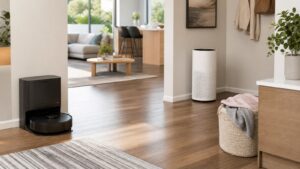
The Ultimate Guide to Building a Fully Automated Cleaning Home
A fully automated cleaning home starts with zones, device roles, storage, maintenance routines, and realistic expectations about what automation can do.
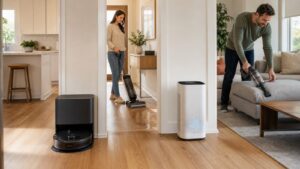
Top Smart Cleaning Devices That Work Together Seamlessly
Smart cleaning devices work best together when each one has a distinct role, shared routines, compatible controls, and a realistic maintenance plan.

Best Connected Cleaning Systems for Smart Homes
Connected cleaning systems work best when robot vacuums, mop routines, cordless tools, schedules, and maintenance fit the way a household actually lives.

Connected Cleaning Systems Buying Guide
Use this connected cleaning systems buying guide to compare navigation, docks, mopping, maintenance costs, privacy, pet needs, and long-term ownership.

Are Connected Cleaning Systems Worth It?
Connected cleaning systems are worth it when they remove repeat floor chores, fit the home layout, and do not create more maintenance than they save.

How Connected Cleaning Systems Save Time Every Day
Connected cleaning systems save time through scheduled room cleaning, targeted routes, auto-empty docks, maintenance alerts, and fewer daily decisions.