

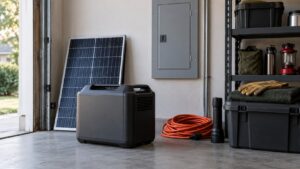
Emergency Power Systems Every Homeowner Should Understand
Emergency Power Systems Every Homeowner Should Understand explained for homeowners comparing backup power options before an outage, with practical checks for portable stations, generators, battery backup, solar charging, circuits, safety, and runtime.
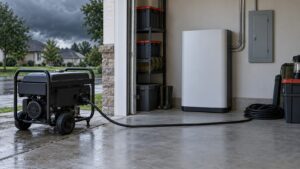
Generator vs. Battery Backup: Which Power System Makes More Sense?
Generator vs. Battery Backup: Which Power System Makes More Sense? explained for homeowners comparing outage backup systems, with practical checks for runtime, fuel, noise, installation, safety, and essential loads.
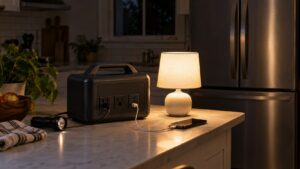
Portable Power Stations for Home Outages and Everyday Backup
Portable Power Stations for Home Outages and Everyday Backup explained for homeowners and renters considering portable backup power, with practical checks for capacity, outlets, recharge options, safe indoor use, and practical backup routines.
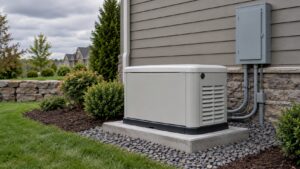
Whole-House Generators: What to Know Before You Buy
Whole-House Generators: What to Know Before You Buy explained for homeowners evaluating standby generators, with practical checks for sizing, fuel, permits, automatic transfer, service access, and long-term ownership.