

Vacuums & Floor Care is where clean living meets smart technology on Appliance Street. From quick daily touch-ups to deep, whole-home refreshes, this space explores the tools and techniques that keep every surface looking its best. Carpets, hardwood, tile, laminate, and everything in between each demand a different approach, and modern floor care appliances are more advanced, efficient, and versatile than ever before. Here you’ll discover in-depth guides on upright, canister, stick, handheld, robotic, and wet-dry vacuums, along with mops, steam cleaners, and specialty floor tools designed for pet hair, allergens, and high-traffic messes. We break down suction power, filtration systems, brush roll designs, smart navigation, noise levels, and maintenance needs in clear, practical language. Whether you’re comparing features, learning care tips, or exploring innovations shaping the future of home cleaning, this collection is built to inform and inspire. At Appliance Street, Vacuums & Floor Care is your trusted hub for cleaner floors, smarter choices, and homes that feel effortlessly fresh every day.
A: Bagged often seals dust better at emptying time; bagless can work well with true HEPA + careful emptying.
A: Switch off the brushroll or use a soft roller/hard-floor mode to prevent scatter.
A: Follow the manual; as a rule, check monthly and clean/replace as soon as airflow feels reduced.
A: It’s safe, but it shortens runtime and can warm the battery—use it for problem zones, not the whole home.
A: Commonly a jammed brushroll, clogged airflow, or a slipping belt—power off and inspect before continuing.
A: They handle daily maintenance well, but most homes still need a main vacuum for deep carpet, edges, and stairs.
A: Clean filters, check for clogs, and inspect seals; airflow strain often increases noise.
A: Use anti-tangle rollers if available and cut/clear hair routinely—especially after pet-heavy sessions.
A: Look for a switchable head (or two heads): motorized brush for carpet and soft roller for hard floors.
A: Filters may be loaded or the wand/hose may have a clog—check the full air path end-to-end.
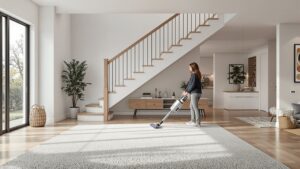
Cordless vs Corded Vacuums: Which Cleans Better for Your Home?
Cordless freedom or corded power? Discover how suction strength, battery life, carpet depth, and everyday convenience truly compare. This in-depth guide breaks down which vacuum cleans better for your flooring, pets, and lifestyle—so you can choose with confidence and keep your home consistently spotless.
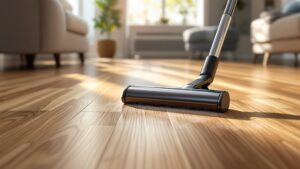
How to Choose a Vacuum for Hardwood Floors Without Scratches
Hardwood floors deserve powerful cleaning without the risk of scratches. Discover how to choose a vacuum that lifts dust, protects finishes, and glides effortlessly across wood surfaces. From soft rollers to suction control, this guide reveals the essential features that keep your floors polished, smooth, and damage-free for years to come.
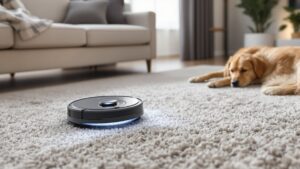
Robot Vacuums That Actually Handle Pet Hair and Rugs
Pet hair and rugs are the ultimate test for any robot vacuum. Discover what actually works—tangle-resistant brushes, smart carpet boost, powerful suction, and mapping that keeps your floors consistently clean without constant maintenance.