

Smart Cleaning Systems are redefining what it means to keep a home spotless. No longer limited to manual effort and guesswork, today’s cleaning technology blends intelligent sensors, automation, and connected software to deliver precision cleaning with minimal involvement. From robotic vacuums that map entire floor plans to smart mops that adjust water flow by surface type, these systems are designed to think, adapt, and improve over time. On Appliance Street, the Smart Cleaning Systems category explores how innovation is transforming everyday maintenance into a seamless, almost invisible experience. These appliances learn traffic patterns, recognize obstacles, schedule cleanings around your lifestyle, and even respond to voice commands or mobile apps. Advanced models can detect dirt levels, avoid pets, return to self-emptying docks, and integrate with broader smart-home ecosystems. This section brings together in-depth articles, explainers, and insights that break down how smart cleaning technology works, what features truly matter, and where the industry is headed next. Whether you’re upgrading a single room or designing a fully automated home, Smart Cleaning Systems offer a glimpse into a future where cleanliness runs itself—quietly, efficiently, and intelligently.
A: They reduce it a lot—think “maintenance cleaning,” plus occasional deep cleans for corners/upholstery.
A: LiDAR is excellent for mapping and low light; cameras can be stronger for recognizing specific objects—implementation matters.
A: For everyday upkeep, yes; for sticky spills and grout-level scrubbing, you’ll still want periodic manual work.
A: Most homes do best with short daily runs (high-traffic zones) and 1–2 deeper whole-home runs weekly.
A: They’re briefly noisy (seconds), but they save you from frequent bin emptying and dust clouds.
A: Not usually—keep brushes maintained, remove trapped grit, and use clean pads to prevent dragging debris.
A: Clean the brush/rollers, empty/replace the dock bag, wash mop pads, and swap filters on schedule.
A: Some brands lock advanced mapping/object detection behind plans—check before buying if you want full features.
A: Usually yes; thick rugs and tall thresholds are the common limits—ramps can help in tricky spots.
A: Map carefully once, set room routines, and keep floors “robot-ready” with quick daily pickup of clutter.

The Ultimate Guide to Smart Cleaning Systems for Modern Homes
Step into the future of home care with intelligent cleaning systems that vacuum, mop, and purify your space automatically. Discover how AI-powered technology transforms daily chores into seamless routines—saving time, improving air quality, and redefining what it means to live in a truly smart modern home.
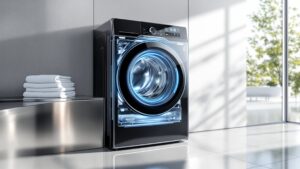
How Smart Washing Machines Actually Save You Time and Money
Smart washing machines do more than clean clothes—they optimize water, energy, and time with precision technology. From load sensing to remote control and predictive maintenance, discover how intelligent laundry systems cut utility bills, protect fabrics, and streamline your routine for years of savings.
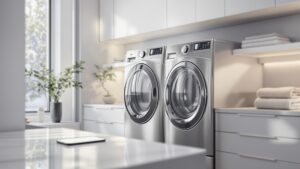
What Is a Smart Laundry System—and Do You Really Need One?
Smart laundry systems promise remote control, AI-powered efficiency, and seamless home integration—but do you actually need one? Explore how connected washers and dryers transform everyday routines into smarter, more efficient living.