The Value Depends on the Mess You Actually Have
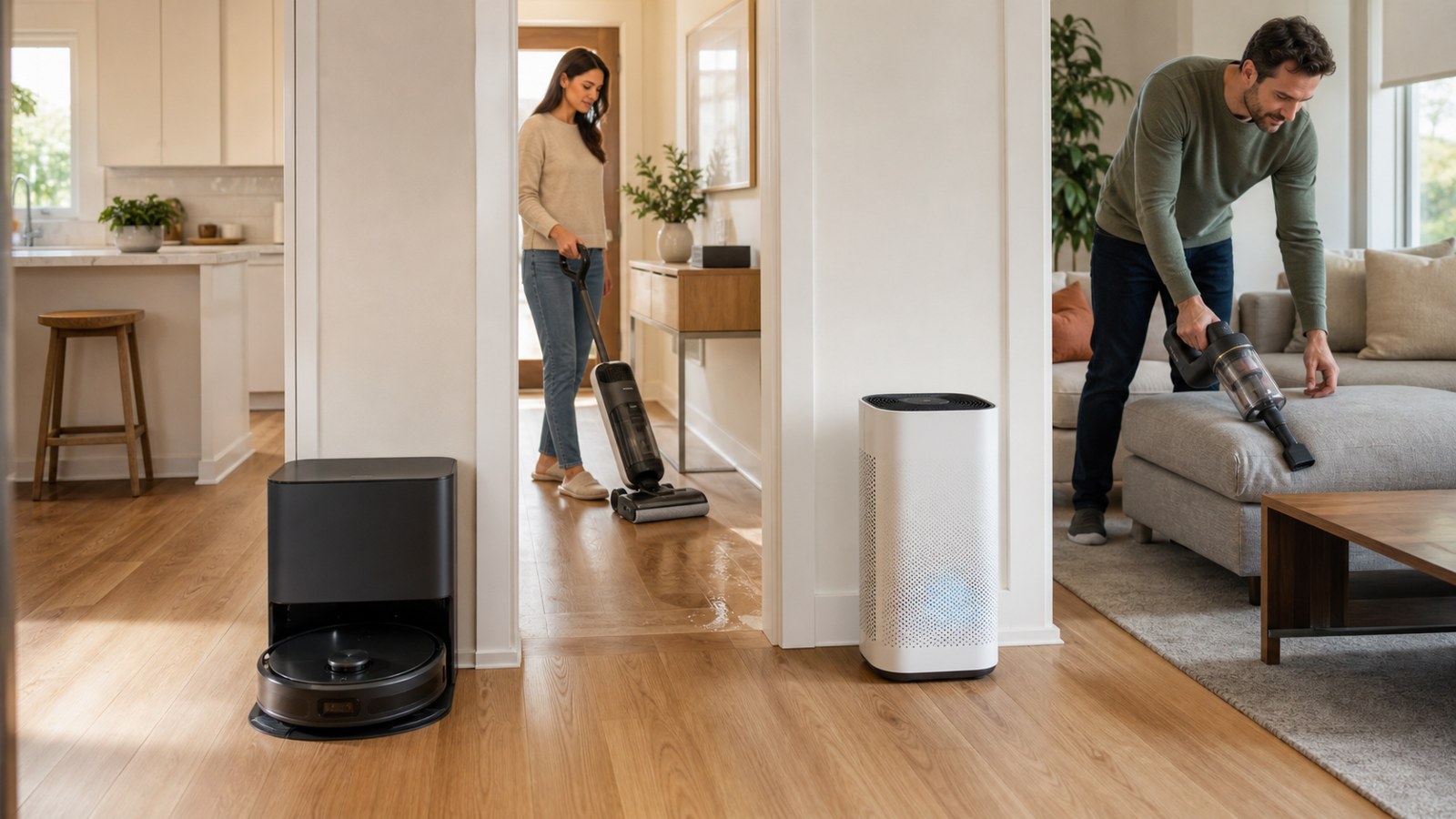
Connected cleaning systems can be worth it, but not because they turn cleaning into a hands-free fantasy. Their value comes from handling repetitive floor care, sending useful maintenance reminders, reducing the buildup of dust or pet hair, and making cleaning easier to schedule around real life. The same system can feel brilliant in one home and wasteful in another, so the best way to judge the purchase is to compare the costs against the chores, floor types, privacy expectations, and maintenance habits already present in the household.
A: Spend enough for reliable navigation and support, not automatically for every premium feature.
A: No, they can work well in simple open spaces with low clutter.
A: Replacement bags, mop pads, rollers, filters, and batteries are often underestimated.
A: It can when dust volume is high or frequent bin handling is a real annoyance.
A: They are helpful for light residue on compatible floors but rarely replace manual scrubbing.
A: Regular grit removal may reduce abrasion, especially on hard floors and entry paths.
A: Only when the new features solve a problem your home clearly has.
A: Usually the added energy is modest compared with larger home appliances.
A: A poor layout match, neglected maintenance, or buying around features instead of chores.
A: Manual tools win for stairs, heavy spills, delicate surfaces, and detailed corners.
The Main Pros of Connected Cleaning
The strongest advantage is consistency. Most homes do not become messy all at once; they collect small layers of crumbs, lint, hair, grit, and dust until cleaning feels overdue. Connected systems work against that buildup by running shorter jobs more often. A scheduled robot vacuum can keep the kitchen, hallway, or pet area from reaching the point where every step feels crunchy or every dark sock collects hair.
Another benefit is visibility. Apps and maintenance alerts make invisible chores easier to track. Owners can see when a room was cleaned, whether a filter needs attention, and whether a robot got stuck. That does not make the system perfect, but it makes cleaning less dependent on memory and guesswork. In shared households, that visibility can reduce the familiar question of whether anyone actually vacuumed.
A worth-it decision should also consider who benefits. The person buying the device may not be the person who currently does most of the cleaning. In many homes, the value is highest when the system reduces a chore that falls heavily on one person, such as pet hair pickup, kitchen sweeping, or post-meal floor care. A connected cleaner can make the household feel more balanced when it removes a repeated task from someone’s mental list.
The Cons That Matter After the Honeymoon
The biggest drawback is that connected cleaning still requires preparation. Floors need to be reasonably clear, cords need management, and pet accidents need special caution. A robot that finds a sock, a charging cable, or a fragile toy every afternoon may create more interruptions than it solves. Buyers who expect complete independence are usually disappointed.
Privacy and app dependence are also real considerations. A camera-equipped cleaner may create excellent obstacle detection, but not every household wants a mobile camera mapping private spaces. Cloud-connected apps can be convenient, yet they add accounts, permissions, updates, and possible service changes. A practical buyer should read the privacy controls with the same seriousness as suction ratings.
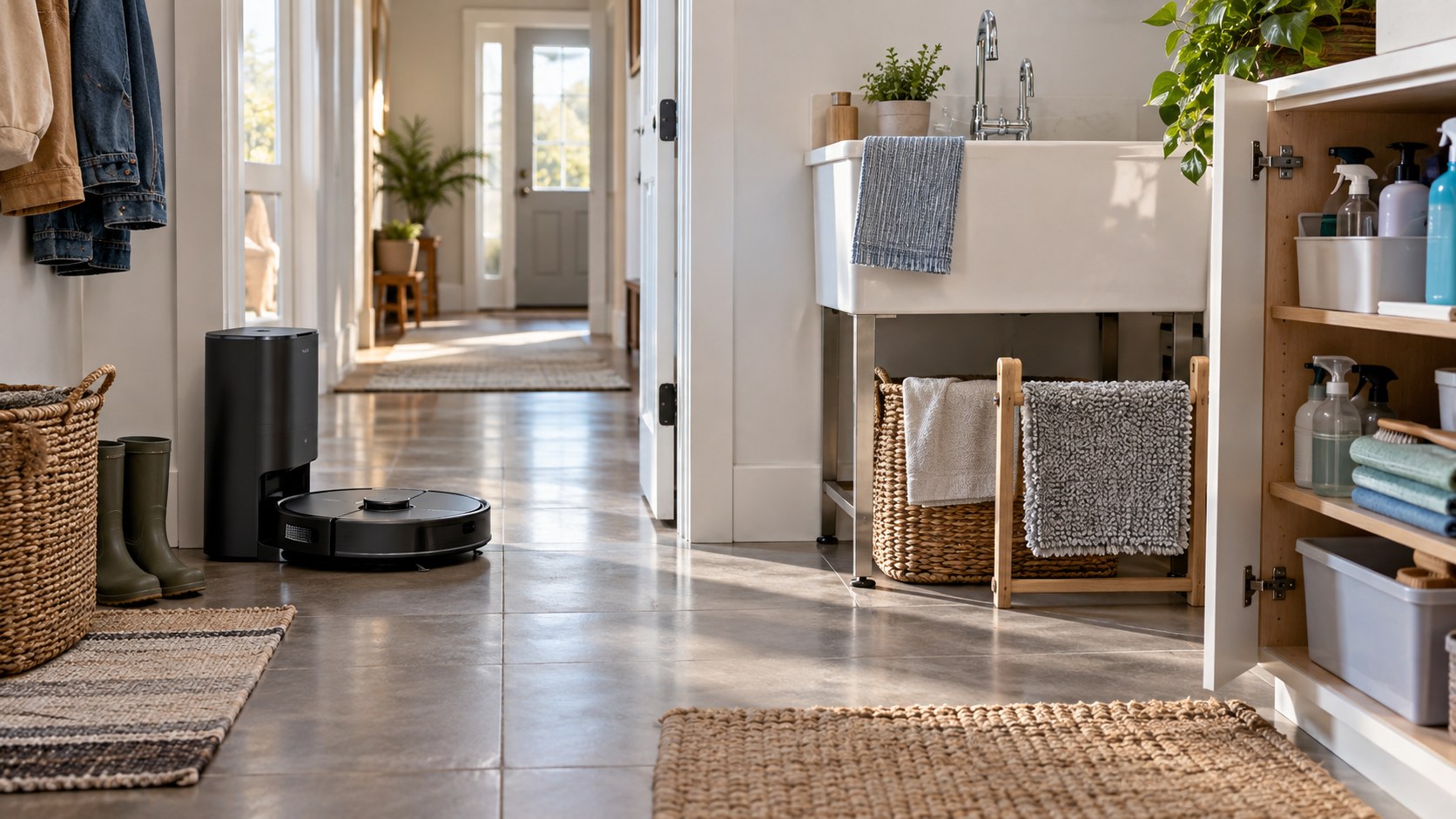
Maintenance is the quieter con. Brushes need cleaning, pads need washing, sensors need wiping, bags need replacing, and docks need open space. The work is usually lighter than full manual cleaning, but it is not zero. If nobody in the home will maintain the system, performance will fade and the purchase will feel overpriced.
The pro side is strongest when the system removes a chore that was already happening badly or too rarely. If the entry was always gritty, the kitchen always crumbed, or the pet area always hairy, automated maintenance has a clear target. If the house was already easy to clean and people enjoyed the routine, the emotional and practical payoff may be smaller. Worth is personal, and it begins with the chores the household actually wants to reduce.
Upfront Price Is Only Part of the Cost
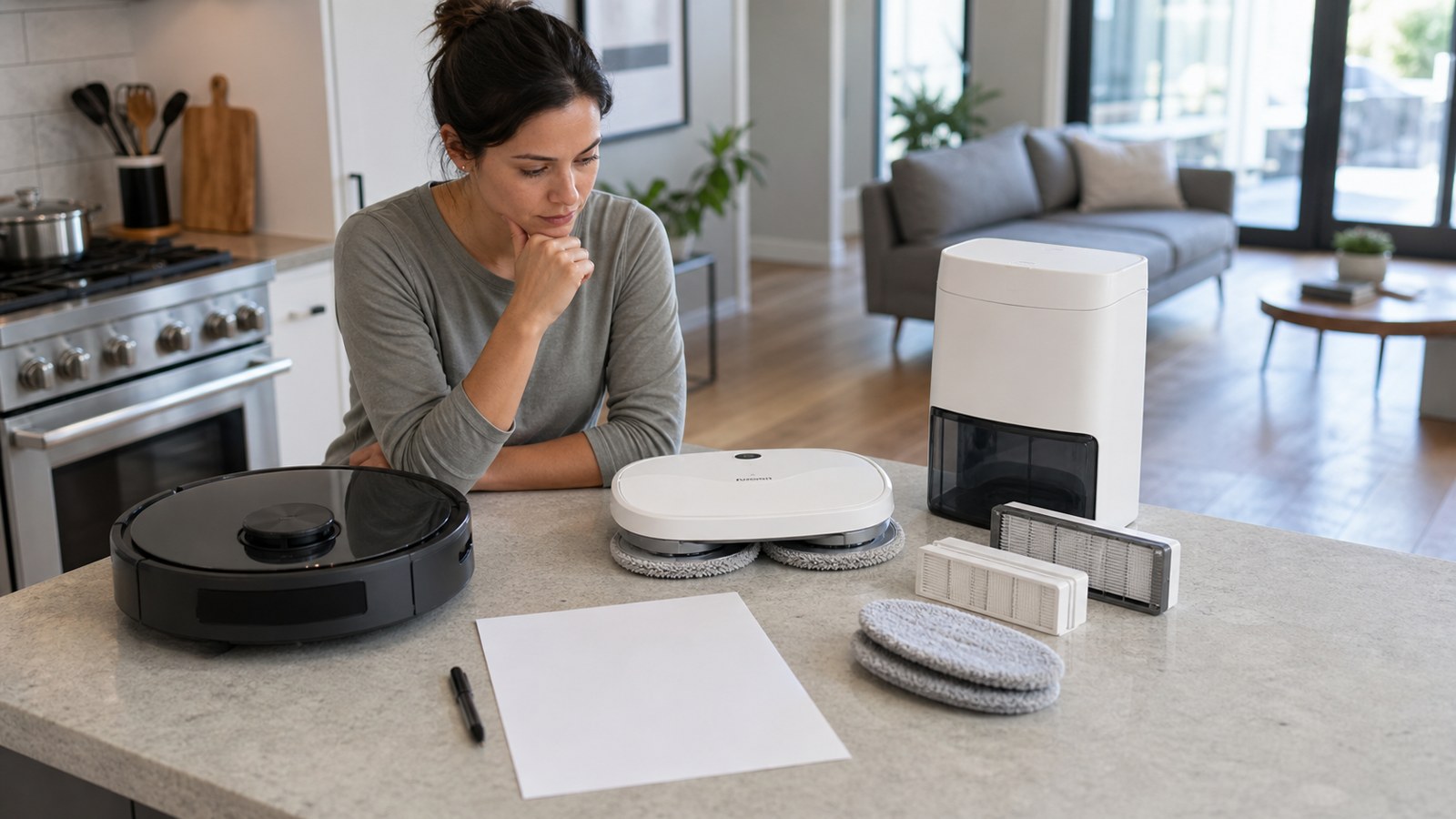
A connected cleaning system can include the device, dock, bags, filters, brushes, pads, cleaning solution, and eventual battery replacement. The sticker price rarely tells the full ownership story. A cheaper model with expensive proprietary accessories may cost more over time than a slightly pricier model with durable washable parts. The right comparison looks at two or three years of likely use, not just the sale price on the day of purchase.
Where the Payoff Is Easiest to See
Pet-heavy homes often see the clearest return because hair is relentless. A robot vacuum that runs daily can keep hair from drifting into corners, sticking to socks, and gathering under chairs. Families with young children may see similar value because snack crumbs and tracked-in grit appear constantly. In these homes, automation is not a luxury; it is a way to keep ordinary mess from becoming a nightly reset.
Open hard-floor layouts also make the case stronger. Robots navigate simple spaces more efficiently, and damp mopping can be targeted to kitchens, entries, and baths. The same cleaner in a chopped-up home with tall thresholds and cluttered rooms may struggle to prove its value. The device did not become worse; the environment became harder.
When the Purchase Is Harder to Justify
The value is weaker in small homes that are already easy to clean manually. If a cordless vacuum can handle the entire apartment in seven minutes, an expensive robot and dock may not save enough time to justify the cost. The purchase can also disappoint in homes with many stairs, deep rugs, delicate flooring, or constantly shifting clutter.
Another poor-fit scenario is the feature collector. If a buyer wants the newest app dashboard, camera system, and self-cleaning dock but does not have a cleaning problem those features solve, the system may feel impressive for a week and ordinary after that. Connected cleaning is best judged by repeated relief, not by how futuristic it sounds.
The purchase is also harder to justify when the home changes constantly. Renovation dust, moving boxes, temporary furniture, and children switching play areas can confuse maps and create obstacles. In those seasons, a sturdy manual vacuum may outperform a connected system. Automation becomes more attractive once the layout is stable enough for schedules and zones to make sense.
It may also be harder to justify a connected system when the household dislikes apps. Some devices have physical buttons, but most of the value comes from scheduling, maps, alerts, and settings. If nobody wants to manage those controls, a powerful manual vacuum and a simple cleaning calendar may provide better value. The smartest purchase is the one the home will actually use.
How to Calculate Personal Value
Start by estimating the weekly chore you want to reduce. If vacuuming high-traffic areas takes forty minutes and happens twice a week, even partial automation may be meaningful. If the system prevents one deep-cleaning scramble before guests every month, that also has value. Put real numbers on the annoyance, not just the purchase price.
Then compare maintenance tolerance. A self-emptying dock may be worth the premium if emptying a dusty bin every other day would make you stop using the device. A simpler robot may be smarter if you do not mind quick manual emptying. The right value equation includes patience, storage space, noise tolerance, and the likelihood that the household will actually follow the care routine.
Finally, consider what happens if the system fails. Is there local service, a usable warranty, available parts, and basic manual operation? A connected cleaner that becomes disposable after a minor failure is not a good long-term value. Durability and support may be less exciting than app features, but they are central to whether the purchase pays off.
Time has value, but only if the system gives that time back in a usable way. A device that runs while everyone is out may save more practical time than a louder device that must be supervised during the evening. Consider when the cleaner can run, who will prepare the floor, and who will maintain the dock. A realistic time calculation includes the minutes spent rescuing, emptying, washing, and adjusting the system.
For some households, the best value comes from reducing decision fatigue rather than reducing labor alone. A scheduled kitchen zone means one fewer chore to remember after dinner. A laundry alert means one fewer damp load forgotten overnight. A maintenance reminder means the filter is handled before suction collapses. These small prompts can make home care feel less chaotic when daily schedules are already full.
Pros and Cons in One Practical View
The best case for connected cleaning is a home with recurring mess, compatible floors, dependable Wi-Fi, and owners who will do light maintenance. The worst case is a cluttered or complex layout where the device gets stuck, sends too many alerts, and sits unused after the novelty fades. Most households fall somewhere between those points, which is why a trial period or careful return policy is useful.
A practical pros-and-cons view should include failure tolerance. If a missed cleaning run would be mildly annoying, automation is low risk. If the home depends on perfect cleaning before allergy symptoms, guests, or pet messes become a problem, the system needs backup tools and more careful monitoring. Connected cleaning should improve reliability, but it should not become the only plan a household has.
A fair comparison should include the cost of doing nothing. Dirty entry paths can wear floors, pet hair can spread into furniture, and skipped kitchen cleanup can make later cleaning more stubborn. Those problems do not make every connected cleaner worth buying, but they explain why some households see real value. Preventing buildup can be cheaper and easier than repeatedly recovering from it, especially when the same floor zones create trouble every week. The savings are practical, not theoretical, and they become clearer when the system prevents the same annoying cleanup again and again without asking for a full weekend reset or a rushed last-minute scrub before guests arrive.
Bottom Line on Worth
Connected cleaning systems are worth it when they solve a repeated cleaning problem at a cost the household can accept. They are not worth it when the home needs better storage, a stronger manual vacuum, or simpler routines first. The clearest winners are practical setups that run often, require manageable care, and make the home feel calmer without demanding constant attention.
A good buying decision starts small and honest. Choose the mess that bothers you most, match the device to that job, and judge success after several ordinary weeks. If the system quietly reduces work, protects surfaces, and keeps floors closer to clean most of the time, the value is real. If it mostly creates new alerts and new accessories to buy, the money belongs elsewhere.
The bottom line should be tested against behavior, not intentions. If a cleaner runs regularly for a month, stays maintained, and makes the home easier to reset, the value is probably there. If it sits docked because the floor is never clear or the app feels annoying, the money is not working. Connected cleaning is worth it only when the system becomes part of ordinary life.
For buyers on the fence, start with the least complicated device that solves the clearest problem. A dependable robot vacuum for the main floor may teach more than a premium multi-device bundle. After a month, the household will know whether it wants self-emptying, mopping, stronger pet features, or a different kind of manual support. That staged approach keeps costs tied to evidence.