Seamless Cleaning Comes From Clear Roles
The top smart cleaning devices are not always the most expensive ones. They are the devices that work together without creating duplicate jobs, crowded docks, confusing apps, or constant maintenance. A good setup may combine a robot vacuum for dry debris, a smart mop for light residue, a cordless cleaner for stairs, an air purifier for dust support, and sensors that protect wet areas. Seamless results come from coordination: each device has a purpose, a place to live, and a routine that fits the household.
A: No, but one brand may simplify control if the devices are all good fits.
A: A robot vacuum and a cordless handheld or stick vacuum cover very different jobs.
A: Yes, but vacuum first so dry debris does not smear under a damp pad.
A: No, they support airborne dust control but cannot remove debris from floors.
A: Choose devices with clear roles and use voice or hub controls only where they help.
A: They are usually guided manual tools, but alerts and care prompts can still help.
A: A strong robot vacuum with hair-resistant rollers usually gives the clearest daily benefit.
A: Yes, leak and door sensors protect cleaning zones and prevent poorly timed runs.
A: Overlapping schedules, blocked docks, wet floors, closed doors, and unclear room names.
A: Review it monthly or after furniture changes, new pets, renovations, or schedule shifts.
Think in Teams, Not Individual Gadgets
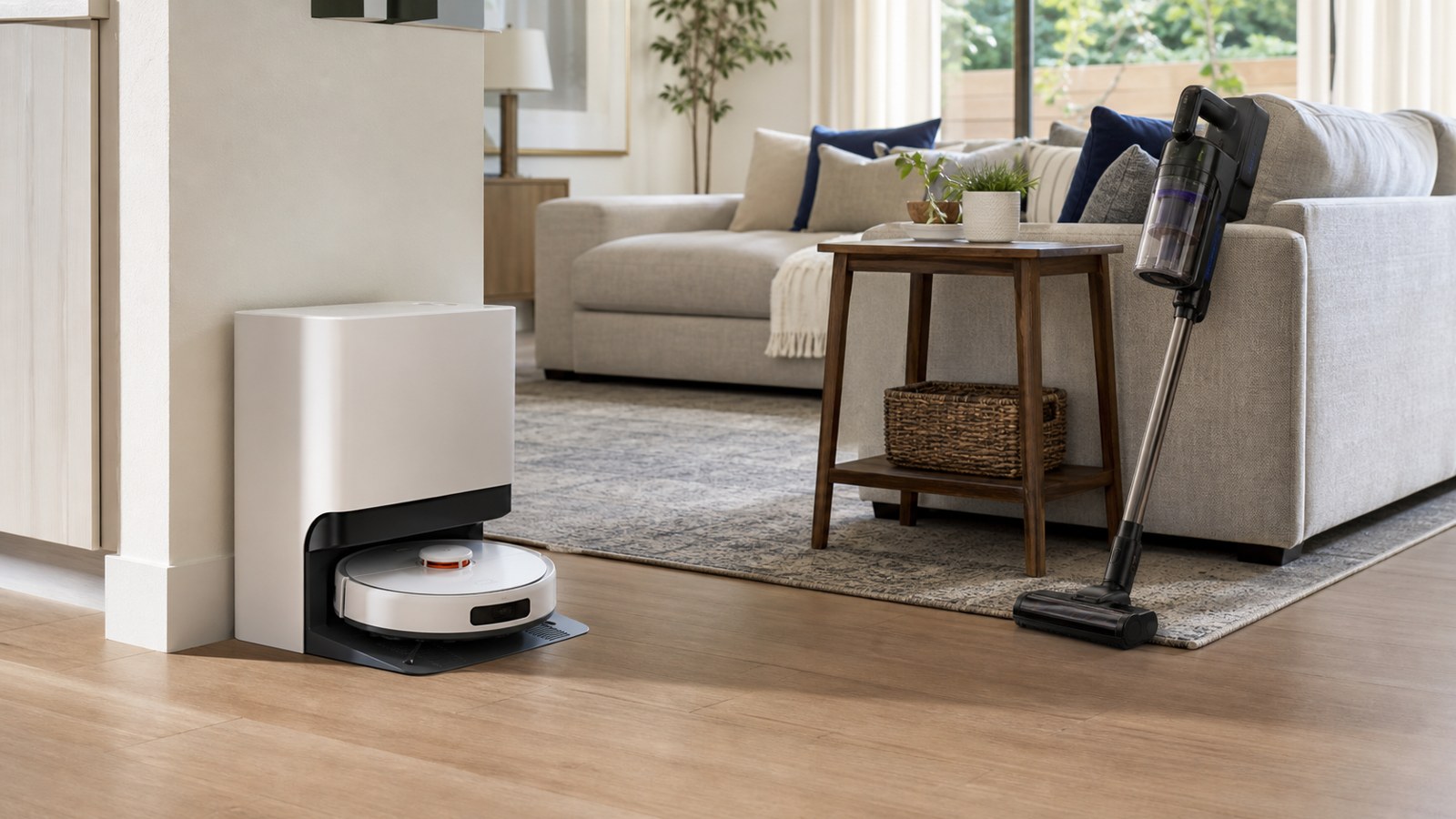
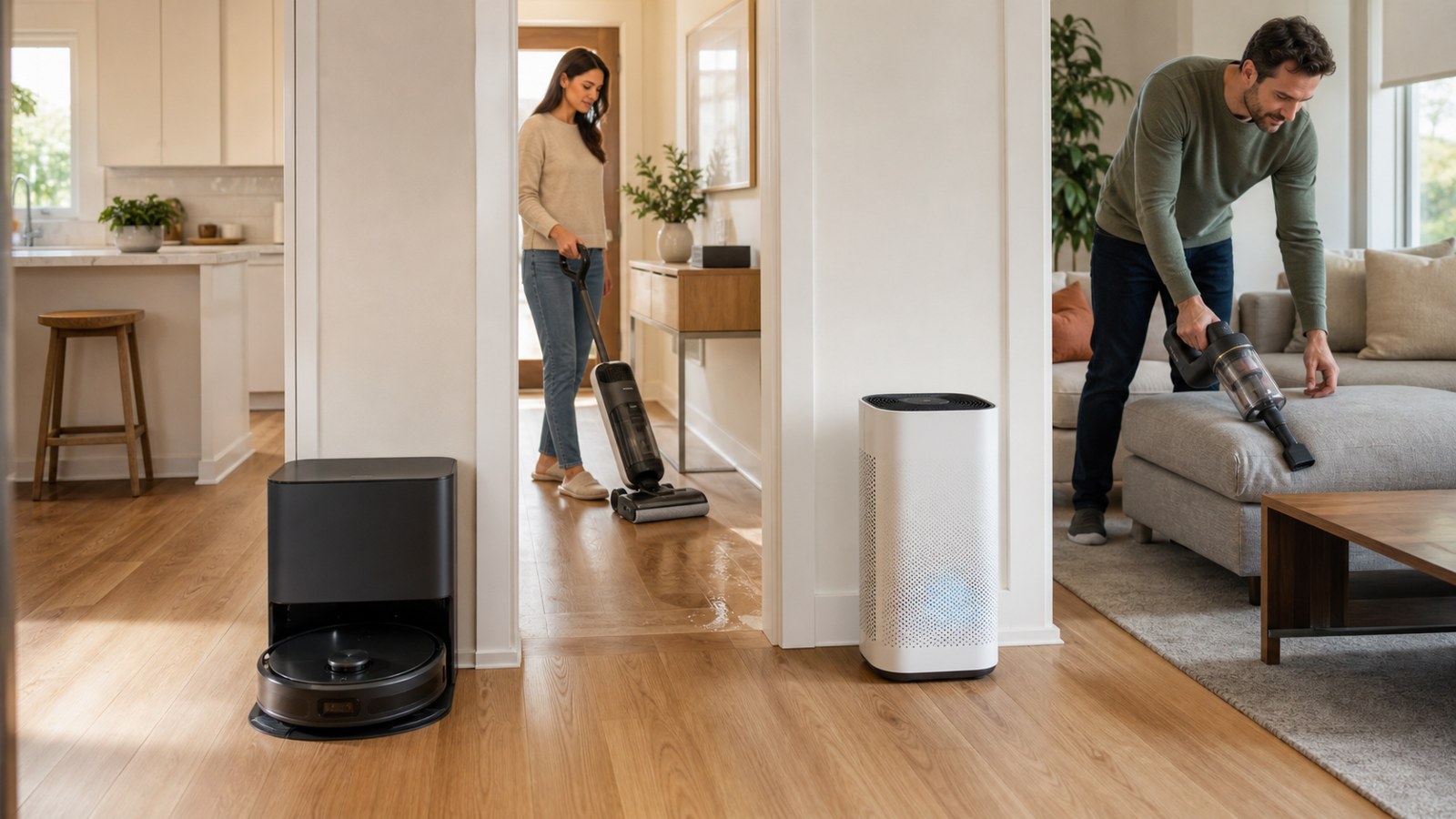
Smart cleaning devices work together best when they form a team. A robot vacuum handles routine dry debris, while a cordless vacuum reaches stairs, cushions, car seats, and tight gaps. A robot mop can refresh the kitchen, while a wet-dry cleaner handles heavier spills. An air purifier supports dust control, while leak sensors protect laundry and cleaning storage areas. The devices do not need to perform the same job; they need to cover different weak points.
This team mindset prevents overspending. Buying three floor robots rarely makes sense if one good robot and one strong handheld tool would cover more real mess. The goal is to remove friction from the whole cleaning routine, not to fill the home with devices that compete for the same open floor space.
The most seamless combinations are often boring in the best way. They run at predictable times, ask for maintenance before performance drops, and avoid rooms where they create trouble. Instead of showing off, they reduce the number of cleaning decisions people make. A robot vacuum, a compact handheld tool, and a well-placed purifier may feel more integrated than a large collection of premium devices with overlapping jobs.
The Robot Vacuum Is Usually the Anchor
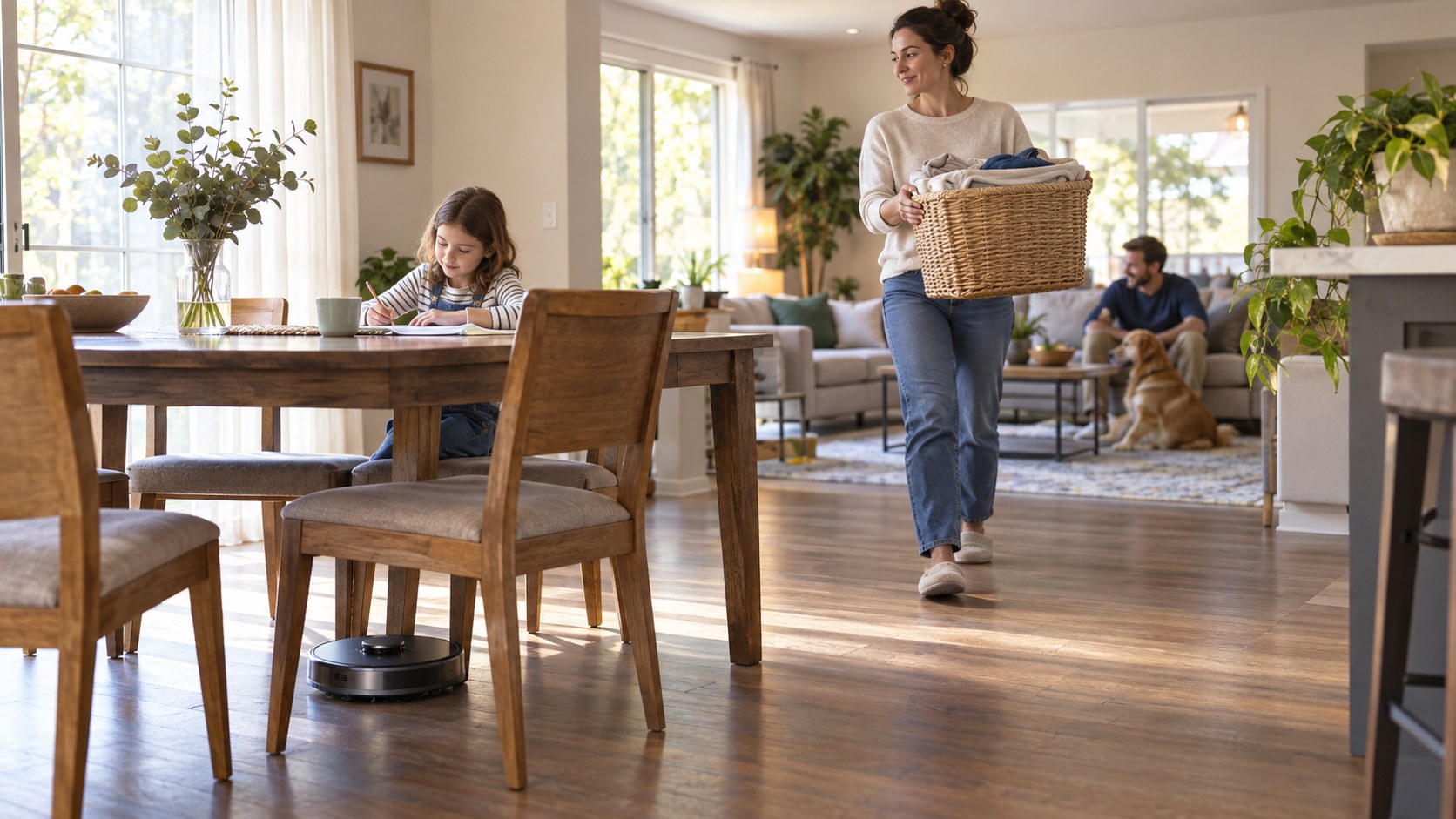
For most homes, the robot vacuum is the anchor device because dry debris appears constantly. Crumbs, pet hair, lint, grit, and dust are easier to collect before they spread. A mapped robot vacuum can maintain the busiest zones on a schedule, leaving people to handle detailed edges and special messes. It becomes even more useful when it has a dock that fits the space, brushes suited to the household, and app controls that are easy to understand.
The anchor does not need to be the most advanced model available. It needs dependable navigation, good pickup on the main floor type, accessible parts, and a maintenance routine the household will follow. In a simple apartment, that may mean a modest robot. In a larger pet-heavy home, self-emptying and stronger hair handling may be worth the extra cost.
Once the vacuum role is stable, other devices can be selected around it. If floors still feel sticky, add mopping support. If dust still floats, consider air purification. If stairs remain neglected, choose a lightweight manual tool. The anchor reveals the gaps.
A team approach also keeps expectations fair. The robot vacuum should not be blamed for couch cushions, the air purifier should not be blamed for crumbs, and the handheld vacuum should not be expected to maintain an entire open floor every day. When each device is judged by its own job, the household can see which piece is succeeding and which gap remains. That makes upgrades calmer and less expensive.
Mopping Devices Need the Right Expectations
Smart mopping is helpful when it is treated as maintenance, not rescue. A robot mop can handle footprints, light kitchen film, and routine damp passes on compatible floors. It should not be expected to scrub dried sauce, deep grout, or heavy mud. Homes that understand this distinction are happier with mopping devices because they use them often and appropriately.
Air Purifiers and Floor Cleaners Support Each Other
Air purifiers and floor cleaners solve different parts of the dust problem. Floor devices collect settled debris. Air purifiers filter particles that remain suspended after cooking, cleaning, pet movement, or open-window days. When both are used sensibly, the home may feel fresher and require fewer dramatic cleaning sessions. This pairing is especially useful for allergy-aware households, homes near busy roads, and pet owners.
The devices should not be scheduled without thought. Running a purifier on a higher setting after vacuuming can help catch stirred-up particles, but a loud purifier during sleep or meetings may create frustration. As with floor cleaning, timing and room placement decide whether the device feels helpful or intrusive.
Sensors Add Protection, Not Glamour
Leak sensors, door sensors, and maintenance alerts are easy to overlook because they do not look as exciting as a robot gliding across the floor. Yet they can make the cleaning system safer and more dependable. A leak sensor near a mop station, washer hose, dishwasher, or utility sink can catch problems early. A door sensor can explain why a scheduled room was missed. These small devices make the system more aware of the home around it.
Sensors should be used sparingly and clearly. Too many alerts become noise, and ignored alerts stop protecting anything. Place sensors where the risk is real, name them clearly in the app, and test them occasionally. Seamless cleaning depends on trust, and trust depends on signals that are rare enough to matter.
Placement matters as much as the device itself. An air purifier tucked behind furniture will not circulate air well, and a robot dock squeezed into a corner will create failed returns. Devices that are meant to work together need room to breathe, charge, empty, and be maintained. Seamless cleaning often begins with moving a dock, clearing an outlet, or choosing a more sensible room.
Good coordination can also mean leaving gaps on purpose. A delicate rug, a craft room, or a staircase may remain manual because the risk of automation is higher than the reward. Seamless does not mean every surface is assigned to a device. It means every device is trusted with the surfaces it can handle well.
Compatibility Is More Than One App
Many buyers assume seamless means every device lives in one app. That can help, but it is not the whole story. A single app with weak devices is not better than two apps controlling excellent tools with clear roles. Compatibility also includes shared schedules, non-conflicting docks, understandable room names, voice commands that work, and family members who know how to pause or start the right device.
A hub or voice assistant can simplify common commands, but it should not hide essential controls. If a device needs map editing, brush replacement, or privacy review, owners still need the native app. The best connected setup balances convenience with access to detailed settings when they matter.
Manual controls remain part of compatibility. A guest, caregiver, or family member without app access should still be able to start a simple clean, empty a bin, or stop a device that is in the way. Seamless technology should not make ordinary home life more fragile.
Compatibility should include people, not just platforms. If only one person understands the apps, the system is fragile. Shared access, clear room names, and visible maintenance supplies make the setup easier for partners, older children, guests, or caregivers. The best systems are understandable at a glance: this device handles floors, this one handles stairs, this sensor protects water, and this shelf holds the parts.
There is also a rhythm to device teamwork. Dry pickup usually comes before damp cleaning. Spill cleanup comes before scheduled mopping. Air cleaning may be more useful after cooking or vacuuming. Laundry alerts should arrive when someone can actually move clothes. Coordinated timing turns separate devices into a household routine rather than a set of random noises and notifications.
Storage Keeps the System From Becoming Clutter
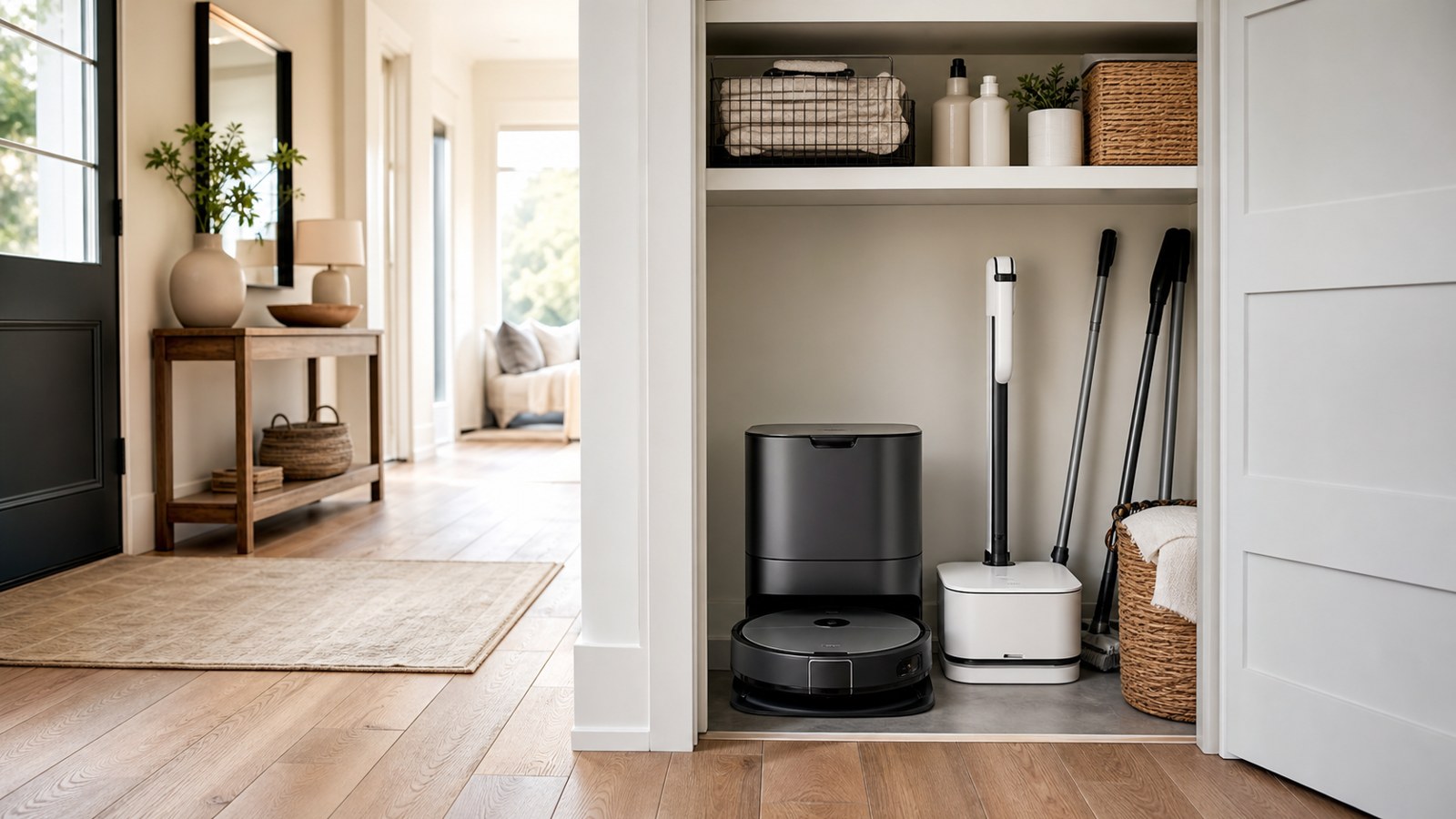
A smart cleaning setup can become messy if every device, pad, brush, filter, cord, and bottle lands in a different place. Storage is part of the system. Keep spare parts near the dock, dry mop pads before storing them, and give handheld tools a charging location that does not block walkways. The easier accessories are to find, the more likely maintenance will happen on time.
Clutter control is part of device teamwork. If spare pads, filters, and brushes are scattered across closets, even excellent devices become harder to live with. A shared storage shelf turns maintenance into a quick reset instead of a search. It also helps households notice when supplies are running low before a cleaning routine fails for a simple missing part.
Storage also prevents duplicate buying. When bags, pads, and filters are visible, owners know what they already have and what needs replacing. That saves money and keeps care tasks from being postponed. A clean storage setup may not sound as exciting as a new device, but it is one of the reasons devices keep working together instead of becoming clutter.
The Best Setups Feel Quietly Coordinated
The top smart cleaning devices work together when they disappear into the household rhythm. The robot vacuum runs before the floor looks bad, the mop handles compatible zones after dry pickup, the handheld tool reaches places robots cannot, and sensors warn only when something deserves attention. No device has to be perfect because the system is balanced.
A seamless setup is built by watching the home, not by chasing every new category. Start with the most repeated mess, add devices only when they fill a true gap, and keep maintenance simple enough to survive busy weeks. When the pieces fit, smart cleaning feels less like managing gadgets and more like living in a home that stays easier to reset.
Review the group as a whole every few weeks. If two devices are doing the same job, one may be unnecessary. If a device is never charged, its storage location may be wrong. If alerts are ignored, settings may need pruning. A seamless setup stays seamless because it is adjusted lightly over time instead of being treated as finished on installation day.
When evaluating a group of devices, look for reduced friction rather than total automation. The floor should need fewer emergency cleanups, the air should feel easier to manage, and the manual tools should handle the places robots cannot reach. If the setup makes cleaning calmer without creating a new layer of confusion, the devices are working together in the way that matters.
The best device group should make the home easier for everyone, not just the person who installed it. If family members can start, pause, empty, and maintain the system without a tutorial, the setup is genuinely seamless. That kind of clarity matters more than having every possible smart feature, because a system only works together when the people in the home can work with it confidently. Confidence is what keeps the devices in regular use, especially after the first burst of novelty has passed and the setup has to earn its place in ordinary weekly cleaning without becoming another household system to manage, troubleshoot, and eventually ignore. The devices should simplify the week, not compete for attention or create fresh chores around the house every day in normal daily use.