Cleaning That Fits the Week Instead of Taking It Over
Connected cleaning systems are most useful when they remove friction from chores that already happen every week. A robot vacuum, app-connected mop, air-quality sensor, or maintenance reminder will not make a home magically self-cleaning, but the right combination can keep mess from piling up, reduce wasted supplies, and make deep cleaning less dramatic. The real value comes from matching devices to floor plans, routines, pets, children, allergies, and the kinds of messes the household actually creates.
A: They reduce daily buildup, but most homes still need occasional manual detail work.
A: A robot vacuum usually delivers the fastest visible relief in homes with open floors.
A: They help most when dust, pet hair, or mobility limits make frequent bin emptying annoying.
A: They can be safe when water flow is controlled and the floor maker allows damp mopping.
A: Update maps after major furniture changes, new rugs, or recurring navigation mistakes.
A: Some brands offer optional plans, but core cleaning should not depend on a paid subscription.
A: Strong hair handling, washable filters, obstacle avoidance, and easy brush access matter most.
A: Yes, especially with portable devices that require no wiring or permanent installation.
A: Choose a dry, open, low-traffic spot near an outlet and reliable Wi-Fi.
A: Buying for impressive features instead of floor type, mess patterns, and maintenance tolerance.
Where the Time Savings Really Appear
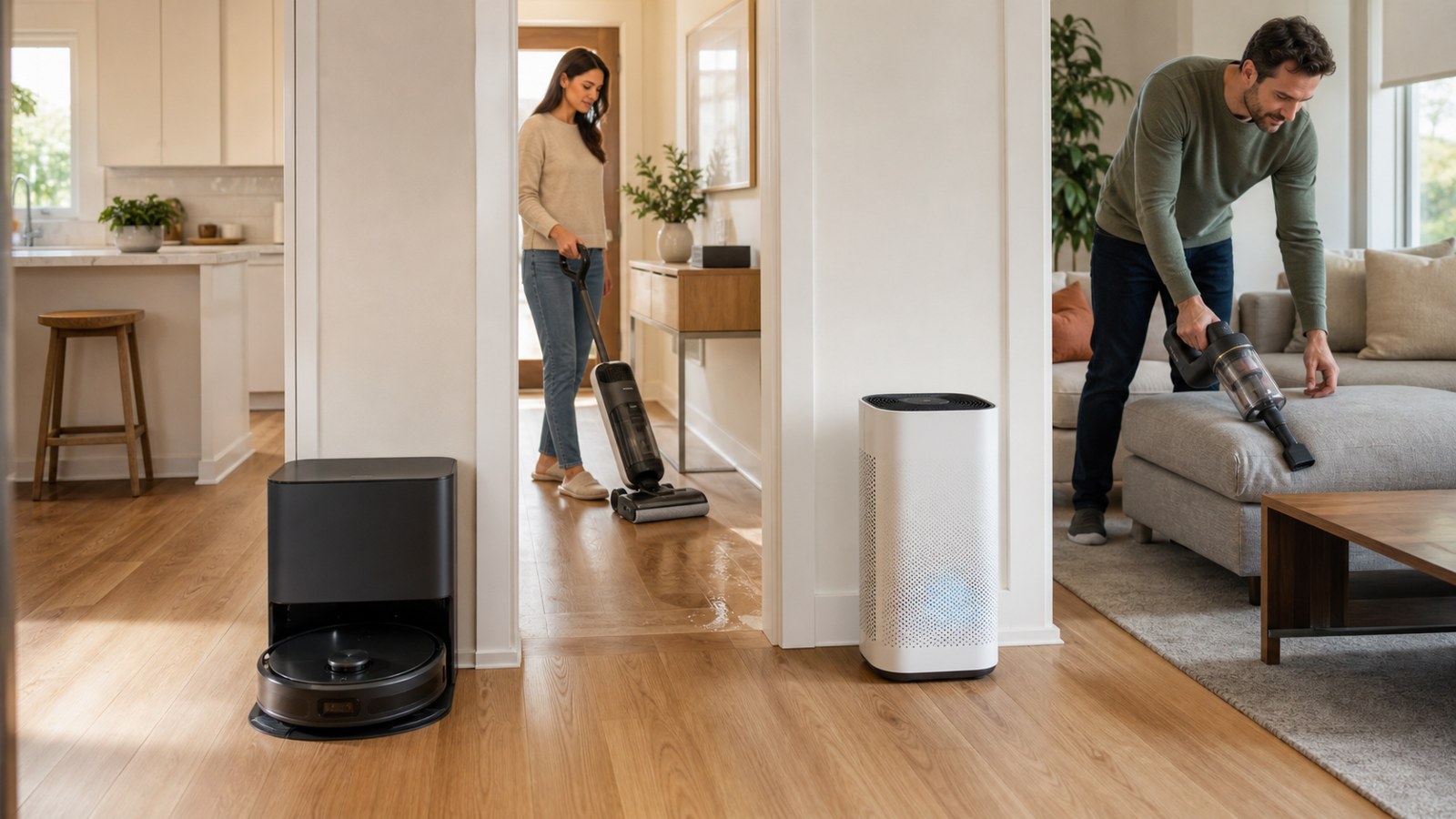
The time savings from a connected cleaning system usually arrive in small pieces rather than one dramatic moment. A robot vacuum that runs three mornings a week may only save fifteen minutes at a time, yet it also prevents the floor from reaching the point where a full reset is needed. That matters in homes where crumbs, hair, tracked-in grit, and laundry lint build up faster than anyone wants to admit. The system works best when it handles repeatable maintenance while people reserve their energy for corners, baseboards, upholstery, and seasonal deep cleaning.
Scheduling is the quiet engine behind that value. Once cleaning is tied to empty-house windows, school drop-offs, workdays, or evening kitchen shutdowns, owners spend less time negotiating when the floor will get done. The payoff is especially clear in households where cleaning used to happen only after visible mess created stress. Connected tools move some of that work earlier, when it is still light and easier to manage.
The same thinking applies to effort. A connected system is not only saving the minutes when the machine is moving; it is saving the transition into cleaning mode. When the floor is already mostly handled, nobody has to stop the evening, find the vacuum, clear every room, and turn a small mess into a household event. That smoother transition is one of the main reasons these systems feel useful after the novelty fades.
How Better Routing Can Lower Wear and Waste
Older cleaning habits often involve repeating the same room because nobody remembers where the vacuum already passed. Mapped cleaning reduces that waste by dividing the home into zones and letting the device return to missed areas more deliberately. Fewer unnecessary passes can mean less battery cycling, less brush wear, and less time spent listening to a machine roam aimlessly. In practical terms, the home gets a steadier baseline without treating every cleaning session like a whole-house emergency.
Supply savings depend on the device. A smart mop that meters water carefully can help avoid soaked pads, overused detergent, and cloudy residue. A vacuum with filter alerts can prevent weak suction from making owners replace parts too late or too early. These savings are not always large in a single month, but they become meaningful when the system keeps consumables, batteries, and accessories on a more predictable rhythm.
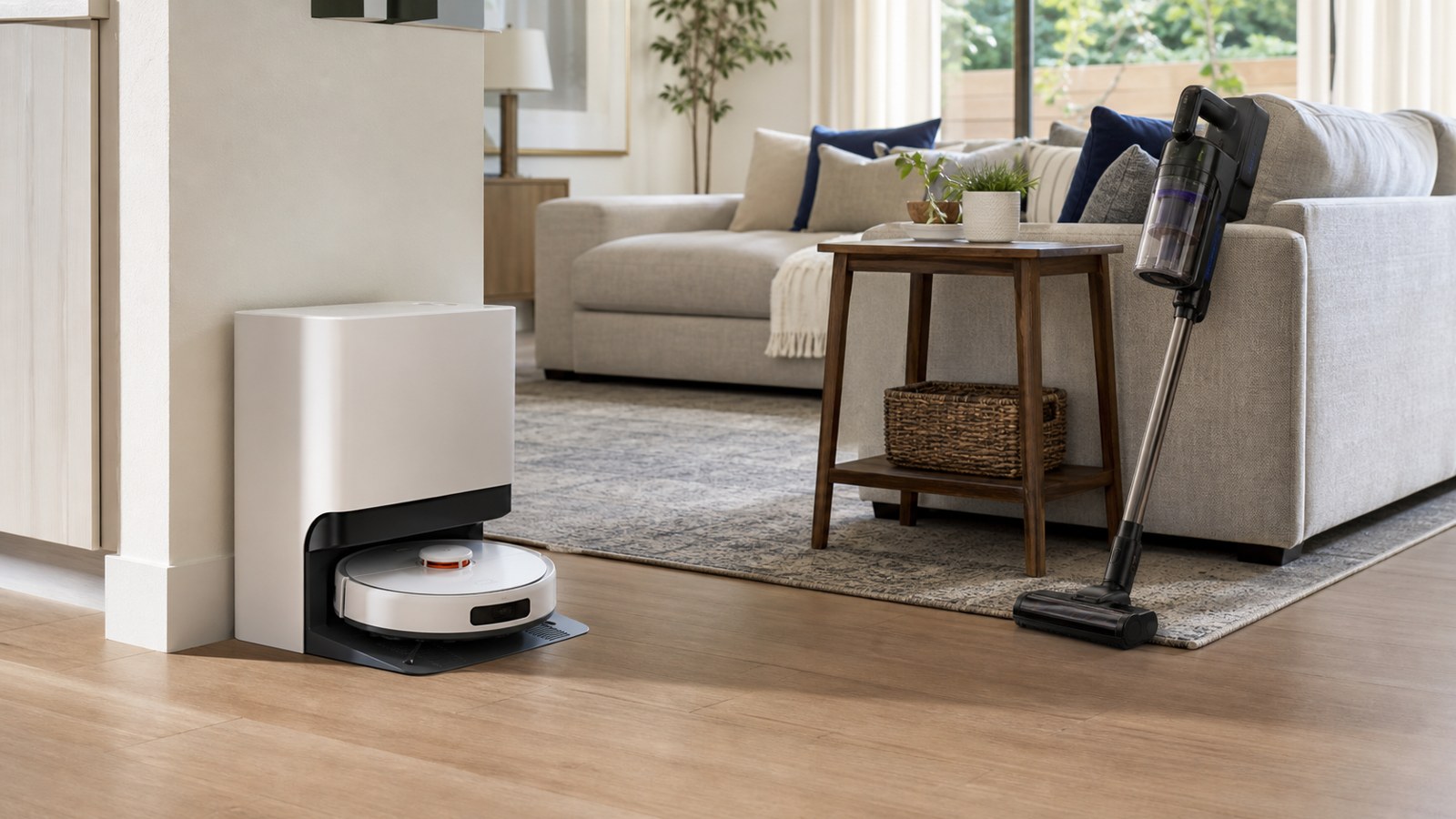
The best financial case comes from buying the right level of automation. A self-emptying dock is valuable for pet-heavy homes, allergy-sensitive users, or anyone who dislikes dusty bin emptying. In a small apartment with mostly bare floors, the same money might be better spent on a simpler robot plus a strong handheld vacuum. Connected cleaning saves money when the purchase matches the mess, not when the feature list is longest.
The strongest savings also depend on stopping mess from traveling. A few crumbs under the table are easy; the same crumbs carried into the living room, ground into a rug, and mixed with pet hair become a larger job. Connected cleaning is useful because it can catch debris near the source. That is why kitchen, entry, and pet zones usually deserve more frequent schedules than spare bedrooms. The system pays for itself less through one spectacular cleaning run and more through hundreds of small moments when mess does not get the chance to spread.
Effort Reduction Is About More Than Laziness
Effort matters because cleaning is physical work. Bending, lifting, dragging cords, moving chairs, and chasing dust under beds all add up, especially for older homeowners, caregivers, people with injuries, and families already stretched thin. Connected systems can remove some of the most repetitive movements from the week. They do not eliminate responsibility, but they make the work feel less like a single heavy chore waiting at the end of every busy day.
There is also mental effort to consider. A household that always knows the kitchen will be swept after dinner and the hallway will be vacuumed before guests arrive has fewer small decisions to make. That predictability reduces chore negotiations, especially in families where cleaning responsibilities are shared unevenly or remembered only when someone is already frustrated.
The Home Layout Determines the Payoff
A connected cleaning system should be chosen around the home before it is chosen around the app. Open hard flooring, low thresholds, and predictable furniture layouts are friendly to robot vacuums. Thick rugs, tight chair legs, cluttered play areas, and multiple staircases require more planning. The difference between delight and disappointment is often a few inches of dock clearance, a better no-go zone, or a realistic decision to use a cordless tool for stairs instead of expecting one robot to do everything.
Owners should walk through the home with the mess in mind. Where do crumbs collect after dinner? Which door brings in grit? Where does pet hair gather? Which area gets skipped because it is awkward? The answers point toward the right connected cleaning design. A kitchen-focused mop routine, a hallway vacuum zone, and a small handheld tool for upholstery may outperform an expensive whole-home package that does not match the floor plan.
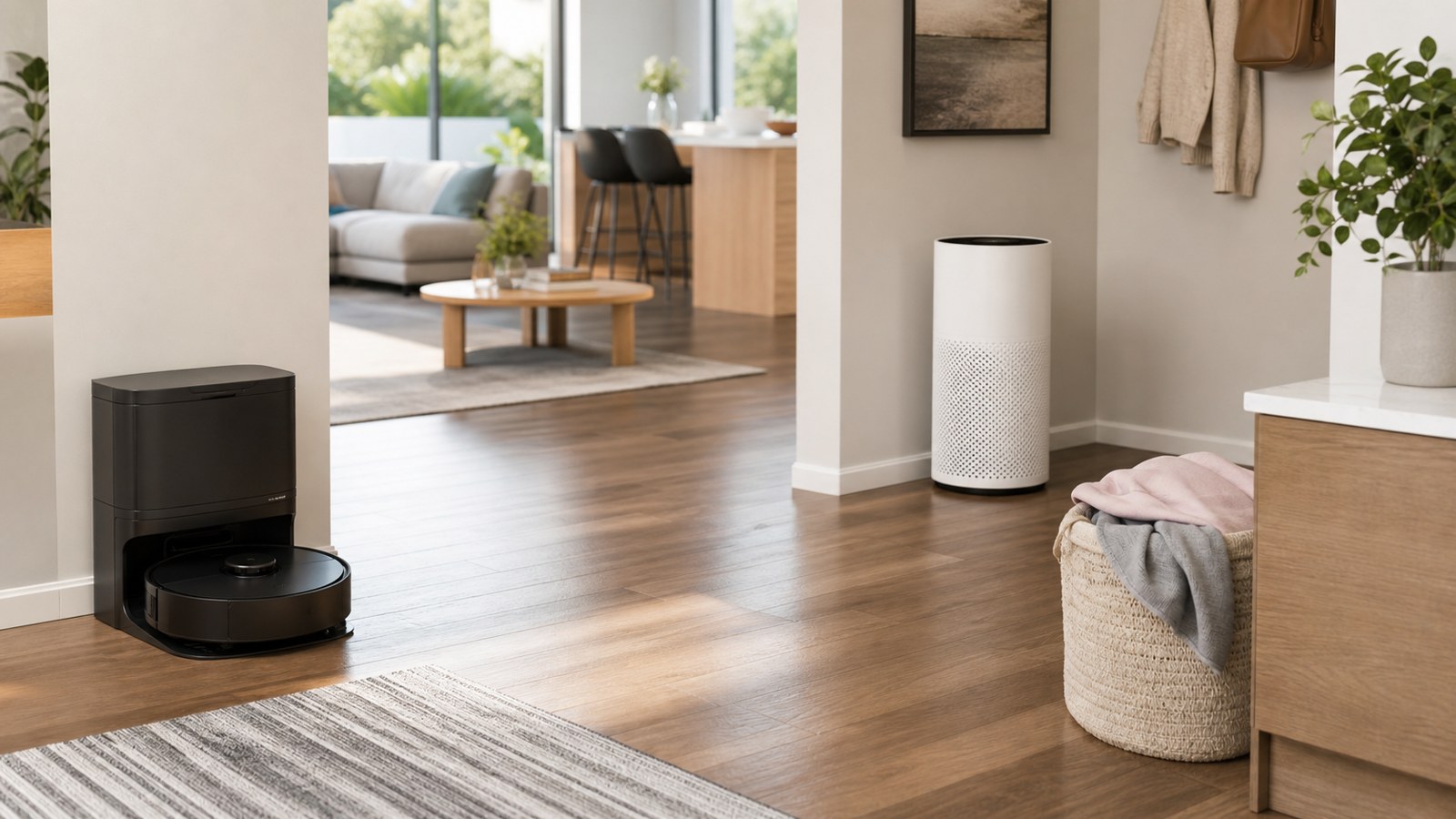
Layout also affects how often people interrupt the system. A robot that must be rescued from rug fringe every afternoon will not feel convenient for long. A dock hidden behind a basket may fail to charge. A mop that crosses untreated wood to reach tile may be risky. Small setup choices decide whether automation feels effortless or fussy.
Maintenance Makes or Breaks the System
Connected cleaning systems still need care, and ignoring that care is the fastest way to lose the benefits. Brushes collect hair, filters clog, wheels pick up grit, and mop pads need washing. The advantage is that many devices can remind owners before performance drops too far. Those reminders should be treated as part of the cleaning plan, not as annoying app noise to dismiss.
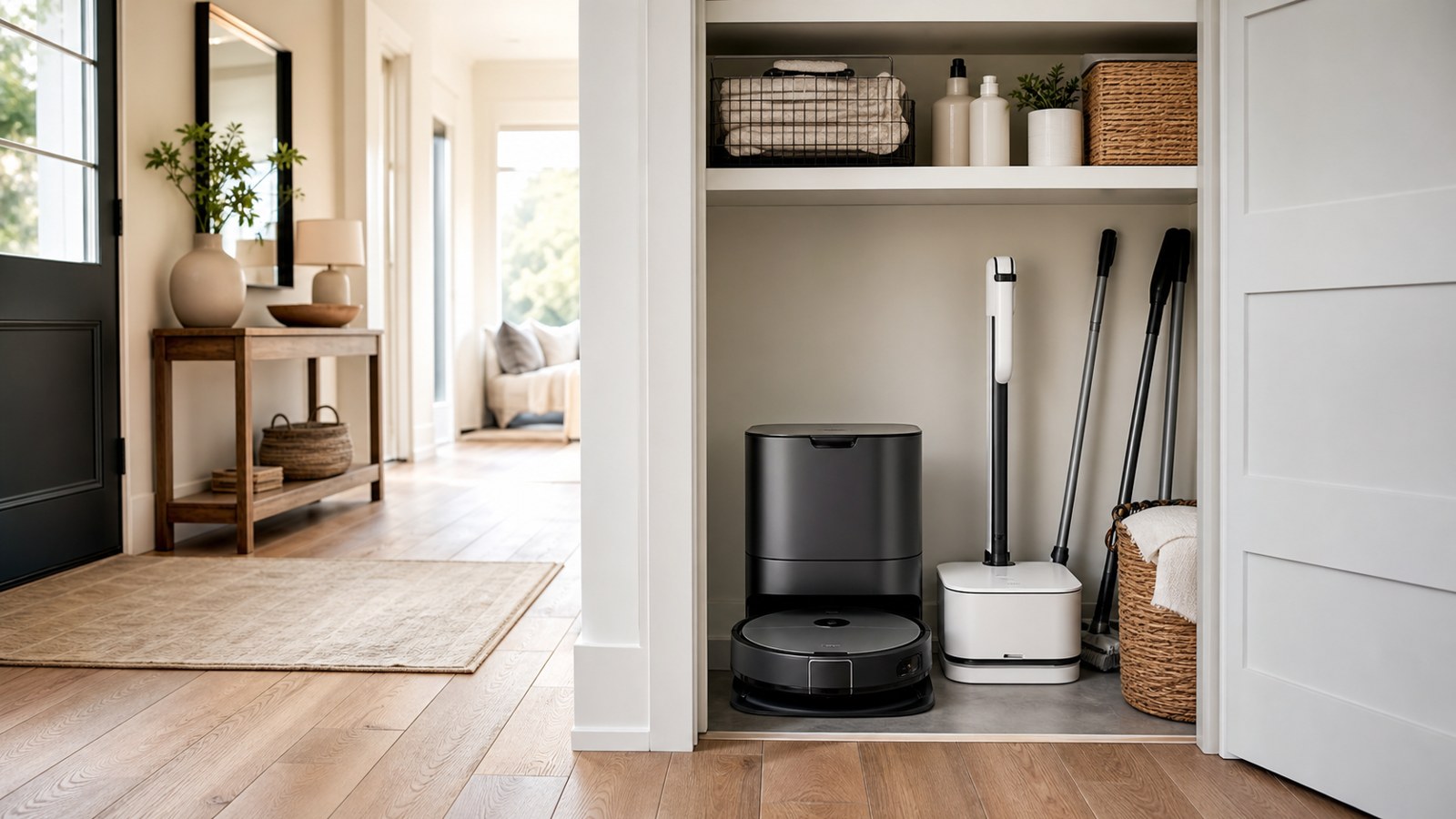
A simple maintenance station helps. Keep extra bags, washable pads, a small brush, and spare filters near the dock so care takes minutes instead of becoming a scavenger hunt. For wet systems, drying pads and tanks matters because odors can develop quickly. For vacuums, clean sensors and charging contacts keep navigation dependable. The goal is not perfection; it is a light routine that protects the investment.
Where Connected Cleaning Saves Money Indirectly
Some of the strongest savings are indirect. Grit left on hard floors can dull finishes. Damp spills ignored too long can leave residue or damage seams. Dust buildup can worsen allergy discomfort and push households toward extra products. A system that catches mess earlier may protect flooring, rugs, and indoor comfort even if the device itself uses electricity and replacement parts.
There is also a supply discipline benefit. When cleaning becomes scheduled and visible, households often use fewer panic purchases: extra sprays, disposable pads, specialty dusters, or last-minute replacement tools. The home does not need every gadget. It needs a dependable loop: collect dry debris, handle sticky areas, maintain filters, and respond to alerts before small issues become bigger chores.
The money case is weakest when owners chase replacement accessories for a system they barely use. Before adding another device, look at whether the current one is running on schedule, returning to the dock, and being maintained. A cleaner that is already integrated into the week earns upgrades; a cleaner gathering dust in a corner needs a simpler plan.
Owners should also separate useful alerts from noise. A full-bin warning, brush jam, or map problem deserves attention because it affects performance. A promotional notification or vague app suggestion may not. Tuning alerts keeps the system from feeling like another demanding device in the home. When alerts remain rare and practical, people are more likely to respond, and the cleaner is more likely to keep working at the level that justified the purchase.
When the Upgrade Is Not Worth It
Connected cleaning is a poor fit when the home cannot stay clear enough for the device to move. If toys, cords, laundry, pet accidents, or unstable furniture regularly block the floor, automation may create more interruptions than relief. In that case, a better first step may be storage changes, a stronger manual vacuum, or a simpler cordless cleaner that works on demand. Technology should solve the actual obstacle, not decorate it.
There is a comfort benefit that is difficult to price but easy to feel. A home that gets regular automated floor care often looks more ready for ordinary life: a neighbor stopping by, a child playing on the floor, a pet shedding near the sofa, or a quick dinner after work. That sense of readiness can reduce the emotional weight of chores. The floors may not be perfect, but they are closer to managed, and that makes the next manual cleanup smaller.
A Smarter Way to Start
The safest starting point is one clear cleaning pain. Choose the room, mess type, and schedule before choosing the device. A kitchen crumb routine may call for mapped vacuuming. Mudroom grit may need a rugged wet-dry cleaner. Pet hair may justify self-emptying and strong brush design. When the first device proves itself, additional connected tools can be added around that routine instead of creating a confusing fleet.
Connected cleaning systems save time, money, and effort when they make the week easier to run. The best setup is not the most futuristic one; it is the one that quietly handles repeatable mess, asks for reasonable maintenance, and lets people spend less of their attention on floors. If the system fits the home, it becomes less like a gadget and more like a practical household rhythm.
Start with a trial mindset even if the device is already purchased. Run it in one zone, watch where it struggles, adjust furniture or no-go areas, and then expand. This approach turns setup into observation instead of frustration. It also reveals whether the household needs a better schedule, a different accessory, or a simpler expectation. Connected cleaning works best when the home teaches the system gradually.
For the strongest result, revisit the setup after the first few weeks. Move the dock if returns are inconsistent, shorten schedules if noise is annoying, and rename rooms if commands feel awkward. Small refinements can turn a decent system into one that feels almost invisible. The cleaner should adapt to the home, not ask the home to revolve around the cleaner. That review protects both the budget and the routine. It also keeps small frustrations from becoming reasons to stop using the system.