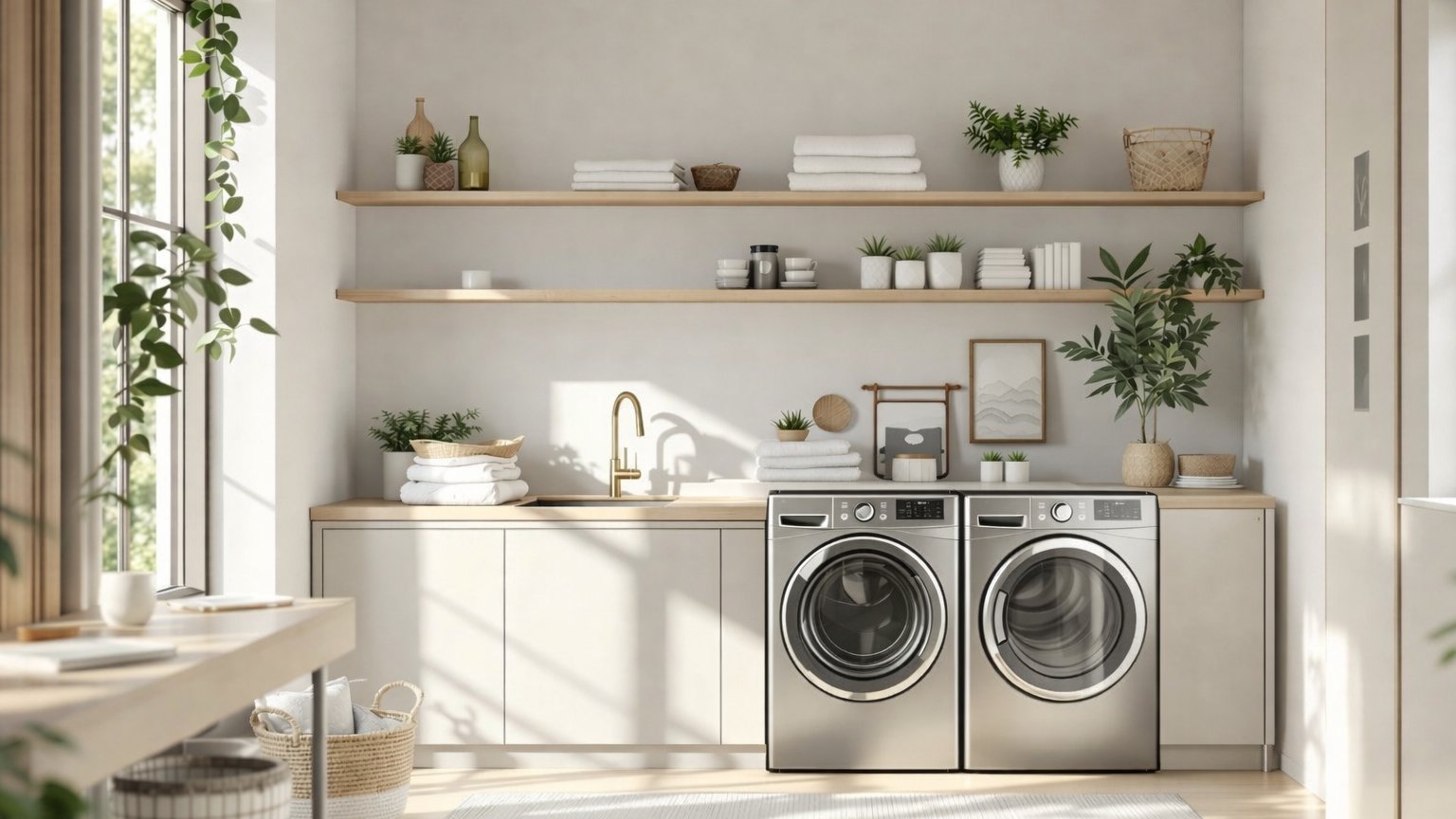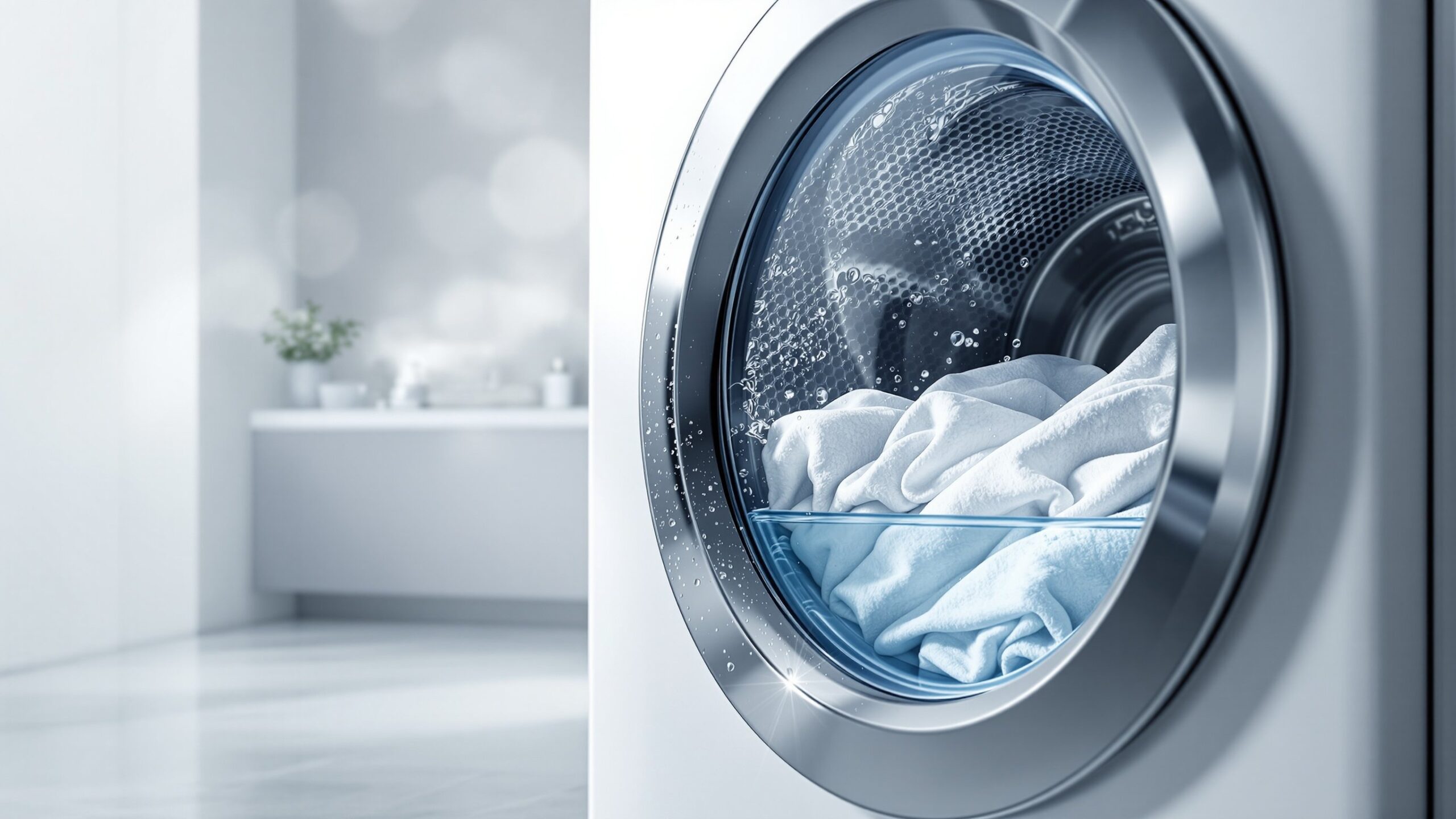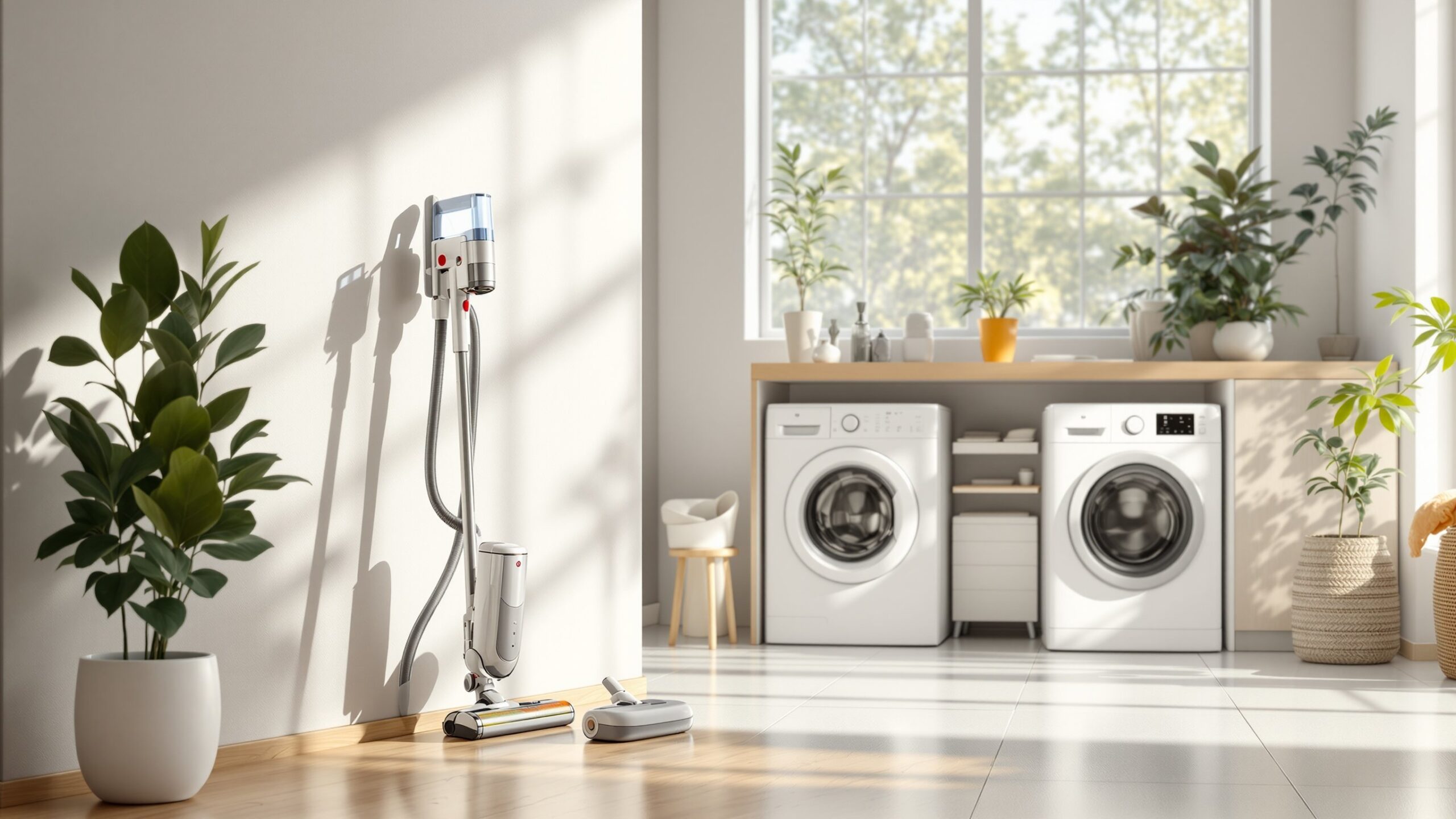
Modern homes are becoming smarter, more efficient, and increasingly environmentally conscious. As climate awareness grows and households look for ways to reduce their ecological footprint, cleaning appliances have quietly entered the sustainability spotlight. Eco-friendly cleaning appliances are designed to reduce water consumption, lower energy usage, minimize chemical exposure, and extend product lifespan—all while maintaining or even improving cleaning performance. For many homeowners, the idea of transitioning to greener appliances can feel overwhelming. Questions arise about cost, effectiveness, durability, and whether eco-friendly options truly make a difference. The good news is that today’s green cleaning appliances are no longer niche products. They are widely available, technologically advanced, and often more efficient than traditional models. Eco-friendly cleaning appliances represent a shift toward responsible living without sacrificing convenience. From energy-saving vacuum cleaners to water-efficient washing machines and steam-powered floor cleaners, these appliances help households maintain spotless living spaces while protecting the planet. Understanding how these appliances work—and how to choose them—is the first step toward building a greener home.
A: Lower energy use, reduced water use, durable design, reusable parts, and less need for harsh chemicals all help.
A: Often yes, because many use mostly water, though electricity use and build quality still matter.
A: Not always; it reduces bag waste, but filter longevity, repairability, and lifespan matter too.
A: Usually yes for everyday loads, though cycles may run longer to save energy or water.
A: Start with a high-efficiency washer, a reusable mop system, or a vacuum with washable filters.
A: Not necessarily; battery life, replacement options, and long-term durability all affect sustainability.
A: No; a modern efficient dishwasher with full loads can often be more water-smart.
A: Clean filters, run full loads, use eco modes, choose gentle detergents, and keep the appliance maintained.
A: Replace them when inefficiency, poor performance, or repair issues outweigh the value of keeping them in service.
A: ENERGY STAR is a strong starting point, but also compare water use, materials, and repair support.
What Makes a Cleaning Appliance Eco-Friendly?
Not every appliance marketed as “green” truly delivers meaningful environmental benefits. A genuinely eco-friendly cleaning appliance focuses on reducing resource consumption throughout its lifecycle—from manufacturing to daily operation.
Energy efficiency is one of the most important factors. Appliances that use less electricity reduce both environmental impact and utility costs. Many modern eco-friendly appliances incorporate advanced motors, sensors, and smart power management systems that adjust performance based on the task at hand.
Water conservation is another critical feature. Traditional cleaning appliances, especially washing machines and carpet cleaners, often use large amounts of water. Eco-friendly models use optimized spray systems, pressure control, and smart load sensing to dramatically reduce water usage without sacrificing cleaning power.
Material sustainability also plays a role. Some eco-friendly appliances are manufactured using recycled plastics, responsibly sourced metals, and components designed for easy repair or recycling.
Finally, chemical reduction is a defining feature of many green cleaning technologies. Steam cleaners, for example, use heated water vapor to sanitize surfaces without harsh chemical cleaners.
When these elements come together, eco-friendly cleaning appliances create a more sustainable household ecosystem.
Why Greener Cleaning Matters
Household cleaning has a surprisingly large environmental footprint. Traditional appliances consume energy, require chemical cleaning solutions, and sometimes waste large volumes of water. Over time, these small impacts accumulate.
Energy consumption is particularly significant. Vacuum cleaners, washing machines, and floor scrubbers may run for hours each week. Appliances that use less electricity reduce greenhouse gas emissions generated by power plants.
Water use is another critical issue. Older washing machines can use up to 40 gallons of water per load. Modern eco-friendly washers often cut that number by more than half.
Chemical exposure is also a growing concern. Many traditional cleaning systems rely heavily on detergents, solvents, and disinfectants that can pollute waterways and introduce toxins into indoor environments. Eco-friendly cleaning appliances help reduce these impacts while supporting healthier living spaces. They encourage smarter resource use and often lead homeowners toward other sustainable habits. Choosing greener appliances is not only about protecting the planet—it also promotes better indoor air quality, reduced costs, and improved long-term durability.
Energy-Efficient Vacuum Cleaners
Vacuum cleaners are among the most commonly used cleaning appliances in modern homes. Traditional models, especially older designs, can consume significant amounts of electricity while operating inefficiently.
Eco-friendly vacuum cleaners focus on improving motor efficiency and airflow design. Modern brushless motors provide strong suction while consuming far less power. High-efficiency filtration systems also help maintain consistent suction without requiring excessive energy.
Many eco-friendly vacuum cleaners incorporate HEPA filtration technology. These filters capture extremely small particles such as dust, pollen, and allergens. By improving indoor air quality, they contribute to a healthier home environment.
Cordless vacuum models have also evolved significantly. Early cordless units struggled with battery performance, but modern lithium-ion battery systems offer long run times with efficient charging cycles. These systems reduce standby energy loss and often include intelligent charging controls.
Robot vacuum cleaners have introduced another layer of efficiency. Smart mapping technology allows them to clean specific areas without unnecessary movement, conserving both battery power and cleaning time.
When selecting an energy-efficient vacuum cleaner, homeowners should look for models with high suction performance per watt of electricity used. This metric reflects real efficiency rather than raw motor power.
High-Efficiency Washing Machines
Laundry appliances are among the most resource-intensive machines in any home. Traditional top-load washers use large volumes of water and require significant energy to heat that water. Eco-friendly washing machines, particularly high-efficiency front-load models, dramatically reduce water consumption while improving cleaning performance.
These machines rely on advanced drum designs that tumble clothes through concentrated detergent solutions rather than submerging them in large water reservoirs. This tumbling action effectively removes dirt while using far less water.
Sensors and smart load detection systems are also common features. These sensors automatically adjust water levels, wash cycles, and spin speeds based on load size and fabric type. High-efficiency washing machines often incorporate powerful spin cycles that remove more water from clothing. This reduces drying time and lowers the energy required by dryers.
Another advantage of eco-friendly washers is their compatibility with cold-water washing. Modern detergents and machine designs make cold washing highly effective, eliminating the need for energy-intensive hot water cycles.
Over time, these improvements translate into substantial reductions in both water and electricity usage.
Steam Cleaning Technology
Steam cleaning appliances represent one of the most powerful chemical-free cleaning technologies available to homeowners. These devices heat water to produce high-temperature steam that dissolves grease, lifts dirt, and kills bacteria.
Unlike traditional cleaning systems that rely heavily on detergents and disinfectants, steam cleaners use only water. The heat and pressure of the steam break down grime and sanitize surfaces.
Steam cleaning appliances are available in several forms, including handheld units, floor steam mops, and full-size steam cleaners for upholstery and carpets. Steam mops are particularly popular for hard floors such as tile, sealed hardwood, and laminate. The steam loosens dirt while microfiber pads capture debris.
Handheld steam cleaners are versatile tools capable of cleaning kitchen appliances, bathroom fixtures, grout lines, and even fabric surfaces. Because steam cleaning eliminates many chemical cleaning agents, it reduces indoor air pollution and minimizes environmental contamination.
This technology is especially beneficial for households seeking greener cleaning solutions without compromising sanitation.
Water-Efficient Floor and Carpet Cleaners
Carpet cleaning appliances have traditionally been heavy water users. Older carpet shampoo machines often saturated carpets with large volumes of water and detergent.
Eco-friendly carpet cleaners focus on precision water delivery and efficient extraction. These machines use pressurized spray systems to distribute small amounts of cleaning solution directly into carpet fibers.
Powerful suction motors then extract dirt and moisture immediately, reducing both water usage and drying time.
Some advanced carpet cleaners incorporate dual-tank systems that separate clean and dirty water. This improves cleaning efficiency and prevents re-contamination of carpets.
Low-moisture cleaning technologies are also gaining popularity. These systems rely on specialized brushes and biodegradable cleaning compounds rather than large volumes of water.
The result is effective deep cleaning with significantly lower environmental impact.
Smart Cleaning Appliances and Automation
Technology has introduced a new generation of smart cleaning appliances designed to maximize efficiency. These appliances use sensors, artificial intelligence, and connectivity features to optimize performance.
Robot vacuum cleaners and robot floor mops are among the most recognizable examples. These devices map home layouts and clean strategically rather than randomly, reducing energy consumption.
Some smart appliances also monitor usage patterns and provide recommendations for energy savings.
Smart washing machines can detect load size, fabric type, and soil levels. They automatically select optimal wash cycles that minimize water and electricity use.
Connectivity features allow homeowners to monitor and control appliances remotely, ensuring they run during off-peak energy hours or when renewable energy sources are most available.
Automation also reduces unnecessary operation. Smart sensors prevent appliances from running longer than necessary, improving both efficiency and convenience.
Sustainable Materials and Product Design
Eco-friendly cleaning appliances are not defined solely by their energy or water efficiency. The materials used in manufacturing and the durability of the product also play significant roles.
Appliances designed with longevity in mind reduce electronic waste. Durable motors, replaceable parts, and repairable components extend the lifespan of appliances.
Manufacturers increasingly incorporate recycled plastics and responsibly sourced metals into appliance construction.
Some companies are also developing modular designs that allow individual components to be replaced rather than discarding the entire appliance.
Packaging is another important factor. Many eco-friendly appliance manufacturers use recyclable packaging materials and minimize unnecessary plastic.
These improvements reduce the environmental impact not only during appliance use but also during manufacturing and disposal.
Reducing Chemicals in Household Cleaning
One of the most significant environmental advantages of eco-friendly cleaning appliances is their ability to reduce chemical use. Traditional cleaning methods often rely on strong detergents, bleach solutions, and chemical disinfectants. These substances can release volatile organic compounds into indoor air and pollute waterways when washed down drains.
Steam cleaners, microfiber systems, and advanced filtration technologies reduce or eliminate the need for these chemicals.
Microfiber cloth systems are particularly effective because their ultra-fine fibers physically trap dirt and bacteria. This allows surfaces to be cleaned with minimal or no cleaning solutions. When chemical cleaners are necessary, many eco-friendly appliances are compatible with biodegradable and plant-based cleaning formulas. Reducing chemical usage contributes to healthier indoor air quality and a safer environment for children and pets.
Long-Term Cost Savings
One common misconception about eco-friendly appliances is that they are always more expensive. While some models may have higher upfront costs, they often deliver substantial long-term savings.
Energy-efficient appliances reduce electricity bills by consuming less power during operation. Water-efficient washers and carpet cleaners lower water usage and reduce associated utility costs.
Durable appliances designed for long lifespans also reduce replacement expenses. Repairable components make maintenance more affordable compared to replacing entire machines.
Reduced chemical usage represents another financial advantage. Steam cleaning systems and microfiber technologies can significantly cut household spending on cleaning products.
Over the lifetime of the appliance, these savings frequently offset the initial purchase price.
Choosing the Right Eco-Friendly Cleaning Appliance
For beginners exploring greener home cleaning, selecting the right appliance begins with evaluating household needs.
Homes with large carpeted areas may benefit most from energy-efficient vacuum cleaners and water-saving carpet cleaners. Households with hardwood or tile flooring may prioritize steam mops and microfiber systems.
Laundry demands also play a major role. Families who run frequent laundry loads can achieve substantial water and energy savings by upgrading to high-efficiency washing machines.
When comparing appliances, efficiency ratings provide valuable guidance. Energy-saving certifications help identify products that meet strict performance standards.
Durability, repairability, and warranty coverage are also important considerations. A well-built appliance that lasts for many years is often the most environmentally responsible choice.
Ultimately, the best eco-friendly appliance is one that balances performance, efficiency, and longevity.
Building a Greener Home Cleaning Routine
Eco-friendly appliances are most effective when combined with sustainable cleaning habits. Simple adjustments in household routines can amplify their environmental benefits. Running washing machines with full loads maximizes water efficiency. Using cold water whenever possible reduces energy consumption. Regular maintenance ensures appliances continue operating efficiently. Cleaning filters, emptying vacuum canisters, and descaling steam cleaners all help maintain peak performance. Choosing biodegradable cleaning solutions and reusable microfiber cloths further reduces environmental impact. Over time, these small adjustments create a cleaner home with a significantly smaller ecological footprint.
The Future of Eco-Friendly Cleaning Technology
Innovation in cleaning appliance technology continues to accelerate. Researchers and manufacturers are exploring new materials, smarter sensors, and improved energy systems.
Battery technology improvements are extending the runtime and lifespan of cordless appliances. Advanced filtration systems are capturing smaller particles while maintaining energy efficiency.
Artificial intelligence is also shaping the next generation of smart appliances. Future cleaning devices may learn household cleaning patterns and automatically schedule optimal cleaning cycles.
Water recycling technologies may eventually allow appliances to reuse filtered water during cleaning processes.
These advancements promise to make eco-friendly cleaning even more effective, accessible, and sustainable.
Cleaning Smarter for a Sustainable Future
Eco-friendly cleaning appliances represent a meaningful step toward sustainable living. By reducing energy consumption, conserving water, and minimizing chemical use, these appliances transform everyday household tasks into environmentally responsible practices. For beginners, the transition to greener cleaning does not require a complete overhaul of the home. Small upgrades—such as energy-efficient vacuum cleaners, steam mops, or high-efficiency washing machines—can deliver immediate benefits.
Beyond environmental advantages, these appliances often improve cleaning performance, reduce costs, and create healthier living spaces. As technology continues to evolve, eco-friendly cleaning appliances will become even more efficient and accessible. The result is a future where clean homes and a healthy planet go hand in hand. Adopting greener cleaning appliances is not just a trend. It is an investment in a smarter, cleaner, and more sustainable way of living.