Laundry is one of those everyday household tasks that quietly consumes a surprising amount of water, electricity, and time. For most families, the washing machine runs hundreds of times per year, turning piles of clothing into clean, wearable essentials. But not all washing machines are created equal. Modern energy-efficient washers are designed to clean better while using significantly less power and water, helping households reduce utility bills while lowering environmental impact. Today’s advanced washers combine smarter sensors, high-efficiency motors, innovative drum designs, and precision wash cycles that dramatically reduce energy consumption. In fact, ENERGY STAR certified clothes washers typically use about 20 percent less energy and 30 percent less water than conventional models, and can save households hundreds of dollars over the life of the appliance. This guide explores the best energy-efficient washing machines, the technologies that make them so effective, and how choosing the right model can help you achieve cleaner clothes, lower utility costs, and a more sustainable home.
A: Usually yes, though some top-load HE models also perform well with low water and energy use.
A: Not necessarily; the best savings come from choosing a size that matches your real laundry habits.
A: Yes, for most routine laundry they clean effectively while reducing electricity and water use.
A: They often use lower temperatures and less water, so extra time helps maintain cleaning performance.
A: In many cases yes, especially with quality detergent and a washer designed for strong cold-cycle performance.
A: Not usually when matched to the right fabric setting; they are a major benefit for reducing dryer energy use.
A: It can be useful for reminders, diagnostics, and cycle tracking, but it is not essential for efficiency.
A: Clean the drum, gasket, and dispenser regularly, and avoid overloading or using too much detergent.
A: Look for strong water efficiency, good cold-wash performance, and a fast final spin speed.
A: Wash full loads, use cold water when possible, and let the washer remove as much moisture as it can before drying.
Why Energy Efficiency Matters in Laundry Appliances
Laundry appliances rank among the most frequently used machines in modern homes. The average American household washes around 300 loads of laundry every year, making even small efficiency improvements add up quickly over time.
Traditional washing machines typically fill an entire drum with water and rely on large agitators to scrub clothing clean. While effective, these older systems require large amounts of water and electricity, especially when heated water is used.
Energy-efficient washing machines take a different approach. Instead of filling the entire drum, they rely on carefully controlled water levels, precision tumbling motion, and advanced sensors to optimize every cycle. These innovations reduce wasted energy while delivering superior cleaning performance.
Beyond lower utility bills, efficient washers also help reduce environmental strain. By consuming less water and electricity, they decrease demand on municipal water systems and power grids, making them a key component of energy-conscious households.
Key Technologies That Make Washers Energy Efficient
Energy efficiency in washing machines is not the result of a single feature. Instead, it comes from a combination of engineering improvements and intelligent design. Understanding these technologies can help homeowners choose a machine that delivers both performance and savings.
High-Efficiency Drum Design
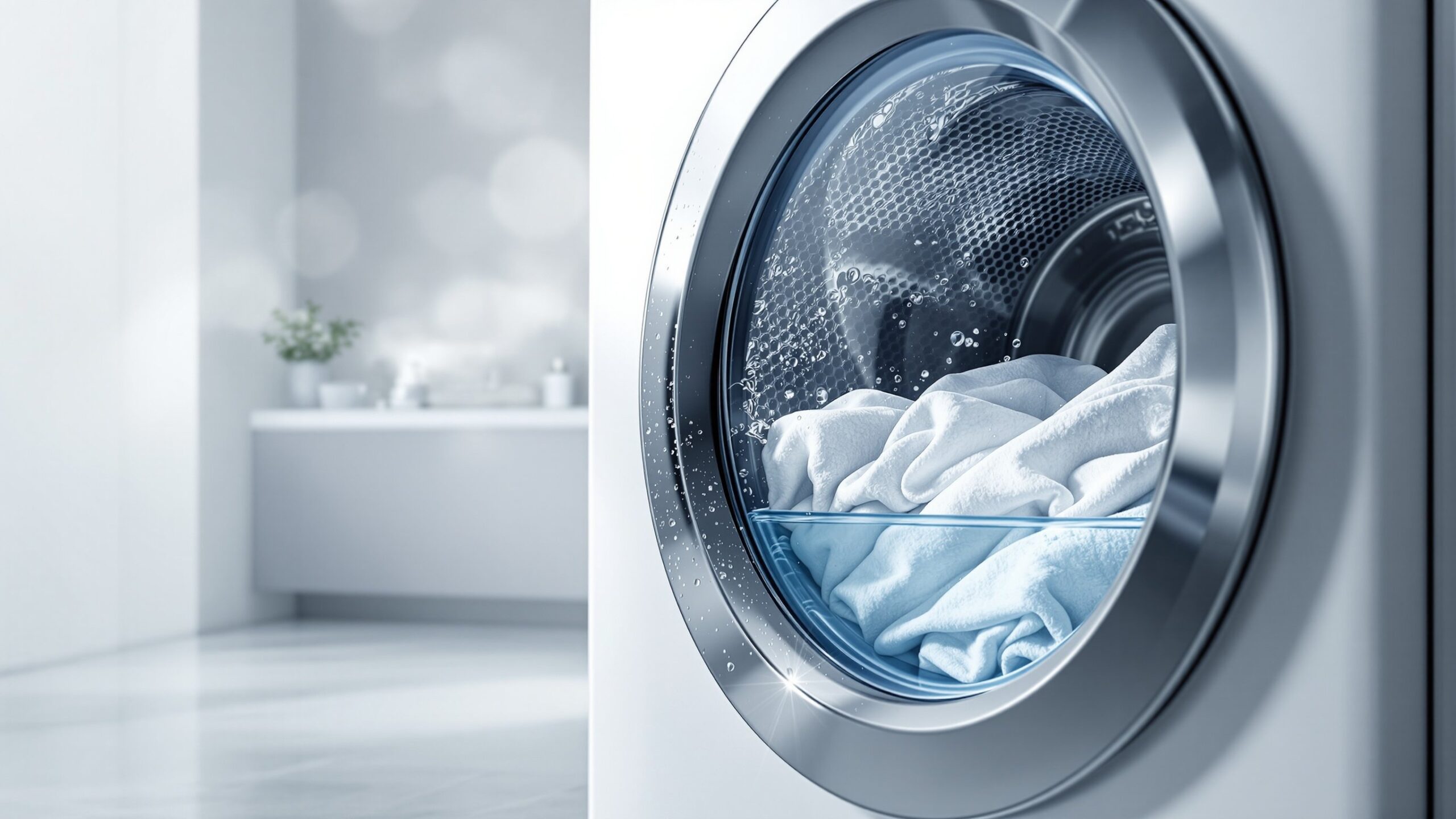
High-efficiency washers typically use a horizontal drum or advanced wash plate system rather than a large central agitator. This design allows clothes to tumble through small amounts of water rather than being fully submerged.
Front-loading washers are particularly efficient because gravity assists the washing process. As the drum rotates, clothing repeatedly lifts and drops through a shallow pool of water, allowing detergent and water to penetrate fabrics more effectively. This design can reduce water consumption dramatically compared to traditional top-load washers.
Because less water is used, less energy is required to heat that water. The result is lower electricity consumption and faster wash cycles.Load-Sensing Technology
Modern energy-efficient washers use sensors to determine how much laundry is inside the drum. The machine then automatically adjusts water levels, cycle length, and agitation speed to match the load. This feature prevents unnecessary water use and ensures that small loads are washed efficiently without wasting electricity. Load sensing also helps protect delicate fabrics by tailoring the wash motion to the amount of clothing inside the drum.
Advanced Motors and Spin Cycles
Many efficient washers use inverter motors or direct-drive motors that deliver powerful cleaning with less energy consumption. These motors operate more quietly and require fewer moving parts, improving reliability and longevity. High-speed spin cycles also play an important role. By spinning clothing faster at the end of the wash cycle, the machine removes more water from fabrics. This means clothes require less drying time, reducing overall energy use in the laundry process.
Smart Wash Algorithms
Modern washers increasingly incorporate artificial intelligence and smart sensors to analyze fabrics, soil levels, and load weight. These systems automatically select the most efficient combination of water temperature, agitation pattern, and cycle duration. Some advanced models even adjust detergent usage and detect fabric types, ensuring optimal cleaning while minimizing waste.
Front-Load vs. Top-Load Efficiency
When shopping for an energy-efficient washer, one of the most important decisions is choosing between a front-load and a top-load design.
Front-load washers are widely considered the most efficient option. Their horizontal drum design allows them to clean clothes using significantly less water and energy. Because they rely on tumbling action rather than full-drum soaking, they use a fraction of the water required by traditional machines.
Top-load washers have improved significantly in recent years, particularly high-efficiency models without central agitators. These machines use wash plates and sophisticated water circulation systems to mimic the efficiency of front-load machines while maintaining the familiar top-load design.
For many households, front-load washers still provide the best overall efficiency. However, high-efficiency top-load models remain a strong option for users who prefer easier loading or have space limitations.
Standout Energy-Efficient Washing Machines
Several washing machines consistently stand out for their energy efficiency, cleaning performance, and reliability. Many of these models carry the ENERGY STAR certification, indicating that they meet strict efficiency standards.
Electrolux Front-Load Washers
Electrolux machines have earned high marks for both efficiency and cleaning performance. Models such as the Electrolux ELFW7738 and ELFW7637 feature advanced steam cycles, optimized water use, and strong energy performance ratings. These washers deliver powerful stain removal while minimizing water consumption.
LG High-Efficiency Washers
LG washers frequently rank among the most reliable and efficient machines available. Many models include technologies like TurboWash and 6Motion drum movement, which use varied washing motions to clean clothes effectively while using less water and electricity.
Consumer testing consistently ranks LG among the top brands for reliability and efficiency in both front-load and top-load categories.
Samsung Smart Energy-Efficient Washers
Samsung washers combine smart features with impressive efficiency. Some models include AI-driven wash cycles that automatically adjust water usage and cycle time based on the load. Smart connectivity allows users to monitor energy usage, schedule cycles, and receive maintenance alerts directly from their smartphones.
GE Profile Energy-Saving Washers
GE Profile models are also recognized for their efficient operation and innovative features. Some machines offer removable agitators, giving users the flexibility to switch between traditional and high-efficiency wash styles depending on the load. These washers are designed to balance cleaning power with reduced energy and water consumption.
Whirlpool and Maytag Efficiency Leaders
Whirlpool and Maytag continue to produce reliable machines with strong energy performance. Many models feature adaptive wash technology that automatically senses load conditions and adjusts cycle settings to optimize efficiency. These washers are known for durability and simple, user-friendly operation.
How Energy-Efficient Washers Reduce Utility Bills
The financial benefits of an energy-efficient washer become clear when examining long-term operating costs. Because efficient machines use less water and electricity, they reduce monthly utility bills almost immediately. ENERGY STAR certified washers can save approximately $530 in energy costs over the lifetime of the appliance, depending on usage patterns. Water savings also play a major role. Many efficient washers use around 14 gallons of water per load compared with roughly 20 gallons in traditional machines. These savings multiply quickly in households that wash several loads of laundry each week. Lower water use also reduces the energy required to heat water, compounding the overall efficiency benefits.
Cleaner Clothes Through Better Technology
Energy efficiency does not mean sacrificing cleaning performance. In fact, many modern washers clean clothes more effectively than older machines. Advanced wash motions allow detergent and water to penetrate fabric fibers more thoroughly. Precision spray systems and tumbling patterns remove dirt while minimizing fabric damage.
Steam cycles add another layer of cleaning power. Steam can loosen stains, eliminate odors, and reduce wrinkles, allowing clothes to emerge from the washer cleaner and fresher. Many efficient machines also include allergen cycles designed to remove dust mites, pollen, and pet dander, making them especially beneficial for households with allergies or sensitive skin.
The Role of Cold Water Washing
One of the easiest ways to maximize the efficiency of any washing machine is to use cold water cycles whenever possible. Heating water accounts for a large portion of the energy used during a wash cycle. By using cold water detergents and optimized wash cycles, modern machines can achieve excellent cleaning results without the need for heated water.
Many efficient washers are specifically designed to perform well in cold water, using optimized drum movement and detergent dispersion systems to maintain cleaning effectiveness. This simple adjustment can significantly reduce electricity consumption while protecting delicate fabrics from heat damage.
Smart Features That Improve Efficiency
The newest generation of washing machines includes smart features designed to further improve energy efficiency. Wi-Fi connectivity allows users to monitor energy usage and receive alerts when cycles finish. Some machines even recommend optimal cycle settings based on previous loads. Artificial intelligence systems analyze load weight, fabric type, and soil level to determine the most efficient wash pattern. These algorithms prevent unnecessary water use while ensuring clothes are thoroughly cleaned. Smart washers can also schedule cycles during off-peak energy hours, potentially reducing electricity costs in regions with time-of-use utility pricing.
Choosing the Right Size Washer
Another critical factor in efficiency is selecting the right washer capacity for your household.
Large families often benefit from high-capacity machines that can wash larger loads at once. Fewer loads per week translate directly into lower water and electricity usage.
However, oversized washers can be inefficient for smaller households if loads are consistently small. Choosing a washer that matches typical laundry needs ensures optimal efficiency.
Most modern washers range from around 4.0 to 5.5 cubic feet in capacity, providing ample space for large loads while maintaining efficient operation.
Maintenance for Maximum Efficiency
Even the most efficient washing machine requires proper maintenance to perform at its best. Cleaning the drum and detergent dispensers regularly prevents buildup that can reduce washing performance. Filters and seals should also be inspected periodically to maintain proper water flow. Running occasional cleaning cycles with specialized washer cleaners helps eliminate detergent residue and mold growth. Proper maintenance not only improves efficiency but also extends the lifespan of the appliance.
Environmental Benefits of Efficient Washers
Energy-efficient washing machines contribute to broader environmental goals by reducing water and electricity consumption.
Lower electricity usage means fewer greenhouse gas emissions from power plants. Reduced water consumption helps conserve freshwater resources, which are increasingly important in many regions.
Because efficient washers extract more water during spin cycles, they also reduce the energy needed for drying, further lowering overall household energy consumption.
These combined benefits make efficient laundry appliances an important step toward sustainable living.
The Future of Energy-Efficient Laundry
The evolution of washing machines is far from complete. Manufacturers continue to experiment with new technologies that promise even greater efficiency. AI-driven appliances are becoming more common, capable of analyzing laundry loads and optimizing cycles automatically. Improved motor designs and heat-recovery systems may further reduce electricity consumption in future models. Some companies are also exploring integrated washer-dryer systems that reduce drying energy by using heat-pump technology. As these innovations continue to evolve, the next generation of washing machines will likely become even more efficient, intelligent, and environmentally friendly.
Final Thoughts
Choosing an energy-efficient washing machine is one of the smartest upgrades homeowners can make. Modern washers deliver powerful cleaning while dramatically reducing water and electricity consumption. By combining advanced drum designs, smart sensors, high-efficiency motors, and optimized wash cycles, today’s machines can produce spotless laundry while lowering monthly utility bills.
For households seeking both convenience and sustainability, energy-efficient washers represent a perfect balance of performance and practicality. With the right machine, doing laundry becomes more than just a routine chore—it becomes a small but meaningful step toward a cleaner home, a healthier planet, and a more efficient lifestyle.