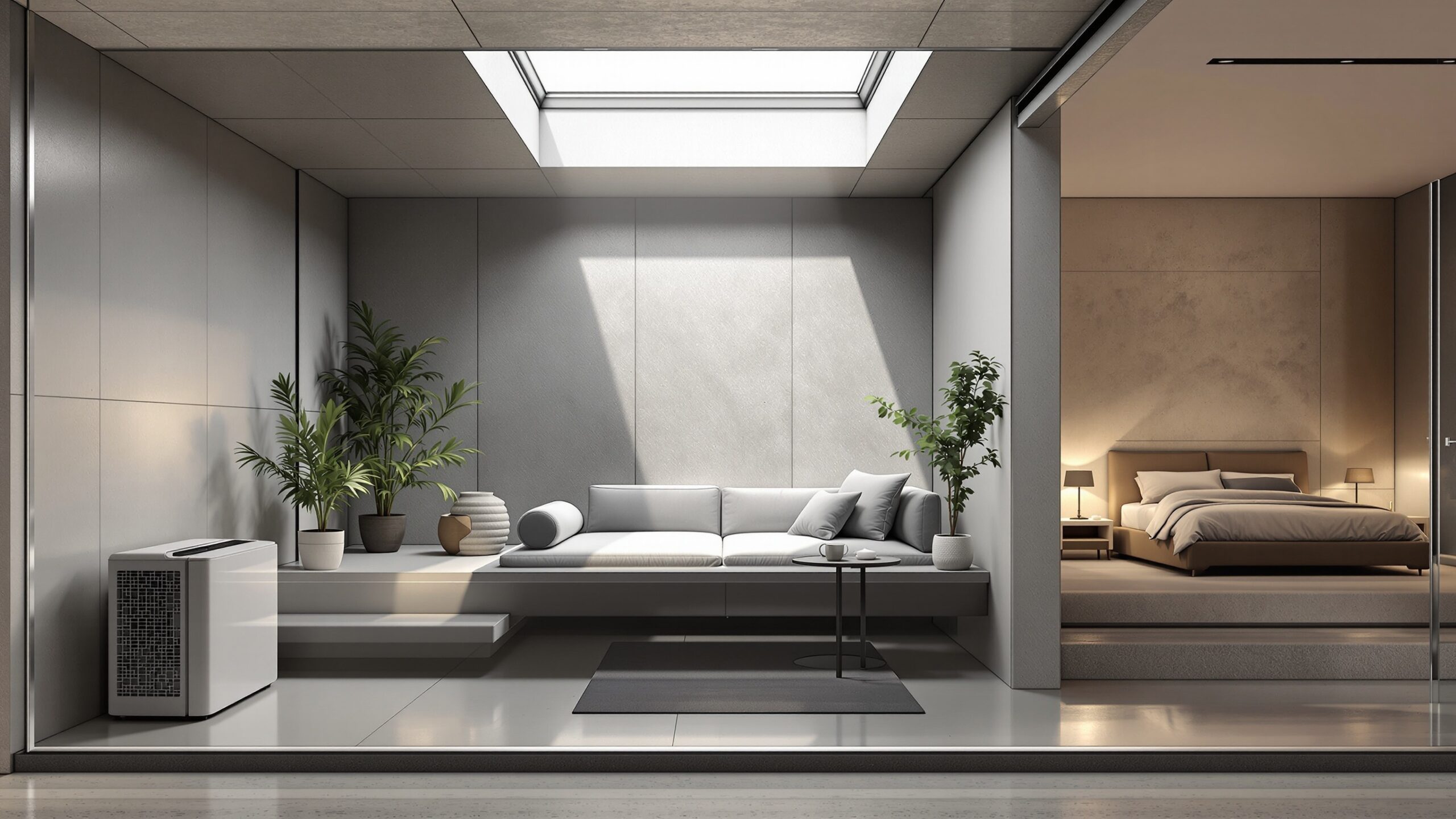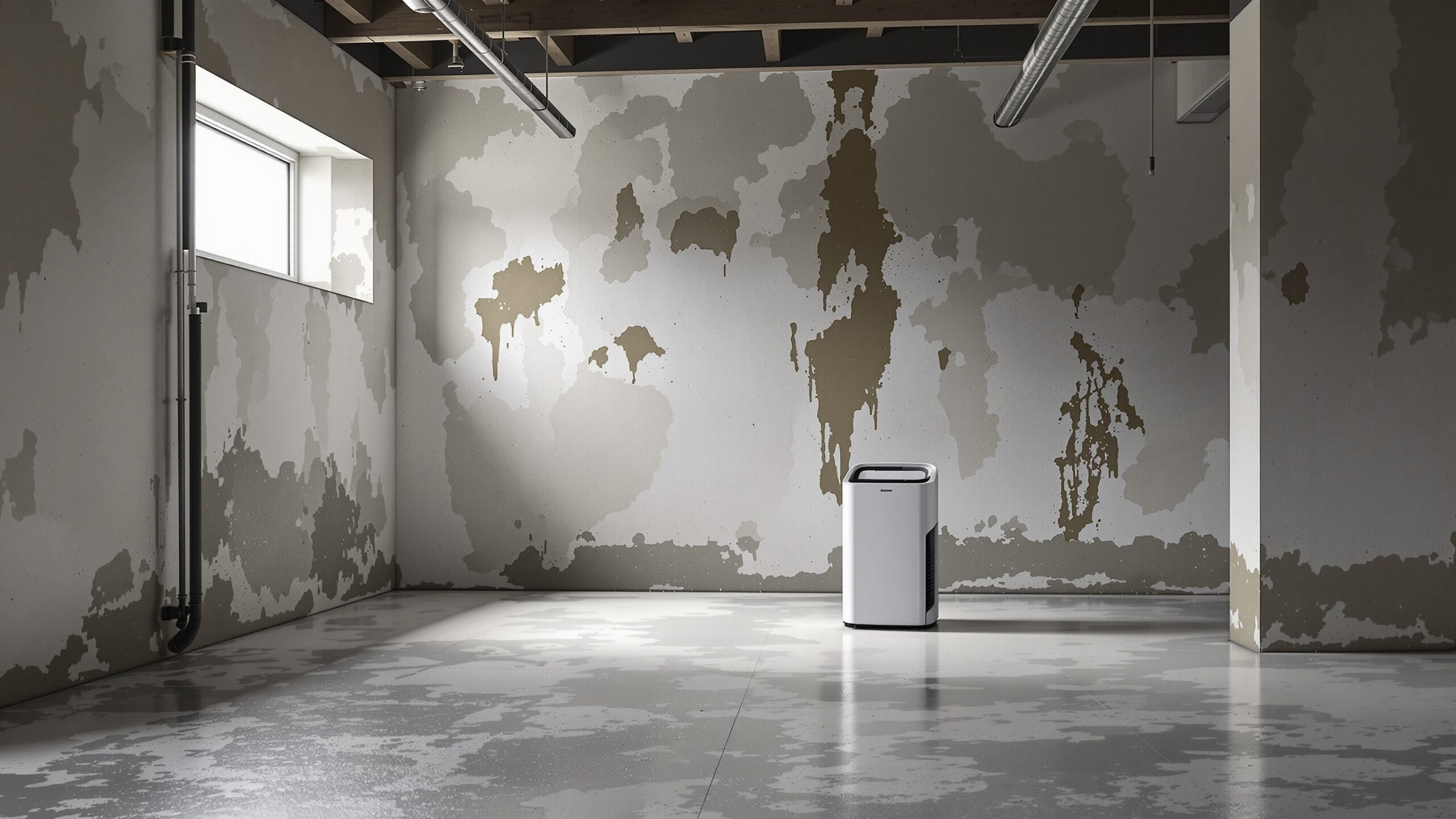
Basements are notorious for one thing: moisture. Whether it’s the lingering chill of concrete walls, groundwater seepage, or poor airflow, these lower-level spaces often become breeding grounds for dampness, musty odors, and mold. The right dehumidifier doesn’t just make your basement more comfortable—it protects your home’s structure, improves air quality, and restores usability to one of the most underutilized areas of the house. In this comprehensive guide, we’ll explore the best dehumidifiers for basements in 2026, what makes them effective, and how to choose the right one for your specific space. If you’re looking for powerful, fast-acting solutions that truly stop dampness in its tracks, you’re in the right place.
A: Basements stay cooler, get less sunlight, and often hold onto moisture from concrete, soil, and limited airflow.
A: Around 45% to 50% is a common sweet spot for comfort and moisture control.
A: Not always, but higher-capacity models usually work better in large, damp, or heavily used basements.
A: Continuous drain is usually best for basements because it reduces maintenance and supports longer operation.
A: It can help a lot by reducing moisture, which is often a major cause of that damp, stale odor.
A: They can use a noticeable amount if they run often, so efficient models and smart humidity settings matter.
A: Put it in an open area with good airflow, away from walls, and near the dampest zone or drainage point when possible.
A: Common reasons include a full bucket, blocked filter, reached humidity target, or drainage issue.
A: In many cases yes, but extra-large or segmented basements may need stronger airflow or more than one moisture-control solution.
A: No, it helps manage airborne moisture, but foundation leaks and seepage still need direct repair.
Why Basements Need a Powerful Dehumidifier
Basements sit below ground level, making them naturally prone to higher humidity levels than the rest of the home. Moisture can seep in through foundation cracks, condense on cool surfaces, or accumulate due to poor ventilation. Over time, this creates the perfect environment for mold, mildew, and dust mites.
A high-quality dehumidifier tackles this problem by pulling excess moisture out of the air and maintaining ideal indoor humidity levels—typically between 30% and 50%. This not only prevents microbial growth but also protects furniture, drywall, insulation, and stored belongings from long-term damage.
Without a dehumidifier, even a slightly damp basement can turn into a costly repair project. With one, it becomes a clean, breathable, and usable extension of your living space.
What Makes a Basement Dehumidifier Different?
Not all dehumidifiers are built the same. Basement environments demand more power, durability, and resilience than typical living spaces.
The most effective basement dehumidifiers share several key characteristics. They offer higher moisture removal capacity, often ranging from 30 to 50 pints per day or more, making them suitable for large or heavily damp areas. They are also designed to operate in cooler temperatures, since basements can dip below the comfort range of standard units. Many include auto-defrost features to prevent freezing and maintain efficiency.
Drainage is another critical factor. Instead of requiring frequent manual emptying, top models include built-in pumps or hose connections for continuous drainage, allowing them to run around the clock without interruption. Durability also matters. Basement units are often built with more robust compressors and components to handle continuous operation in challenging conditions, sometimes lasting 10–15 years with proper care.
Best Dehumidifier Picks for Basements in 2026
Choosing the best dehumidifier depends on your basement size, humidity level, and how quickly you need results. Here are some of the top-performing categories and standout models dominating 2026.
High-Capacity Powerhouses for Large Basements
If you have a large or consistently damp basement, a 50-pint dehumidifier is the gold standard. These units are designed to remove large volumes of moisture quickly and efficiently.
Models like the Midea MAD50PS1WS stand out as top performers for basements, offering strong moisture removal, smart connectivity, and continuous drainage via built-in pump systems. These features make them ideal for open-concept basements or flood-prone environments where constant humidity control is essential.
Similarly, high-performance units such as the Honeywell 50-pint dehumidifier have demonstrated the ability to reduce humidity levels dramatically in under an hour, even in extremely damp conditions. That kind of speed is critical when dealing with moisture spikes after storms or seasonal changes.
Mid-Range Options for Moderate Dampness
Not every basement needs industrial-level power. For moderately damp spaces, mid-capacity units around 30–35 pints per day provide a balance between efficiency and affordability.
Models like the Midea MAD35 series deliver reliable performance in medium-sized basements while offering smart features such as app control and humidity monitoring. These units are perfect for finished basements or spaces used as living areas, home gyms, or offices.
They’re quieter, more compact, and easier to integrate into everyday environments while still maintaining effective moisture control.
Energy-Efficient Picks for Continuous Use
Basement dehumidifiers often run for long periods, making energy efficiency a top priority. Many of the best 2026 models are Energy Star-certified, meaning they remove moisture effectively while minimizing electricity usage.
Brands like Frigidaire, Midea Cube, and VEVOR offer models that combine high performance with reduced energy consumption. This is especially important if you plan to run your unit continuously throughout humid seasons.
Efficient units not only lower your utility bills but also reduce heat output, keeping your basement comfortable.
Commercial-Grade Solutions for Severe Dampness
For basements with persistent water intrusion, high humidity, or structural moisture issues, residential units may not be enough. This is where commercial-grade dehumidifiers shine.
These heavy-duty machines are built for continuous operation, often featuring metal housings, industrial compressors, and advanced moisture extraction capabilities. They’re designed to handle extreme conditions and maintain stable humidity levels even in challenging environments.
While more expensive, they’re a worthwhile investment for unfinished basements, crawl spaces, or properties in high-humidity regions.
Key Features That Stop Dampness Fast
When evaluating dehumidifiers, certain features make a significant difference in how quickly and effectively they remove moisture.
Moisture removal capacity is the most important factor. Larger basements or those with heavy dampness require higher pint-per-day ratings to see noticeable results quickly. Oversizing slightly is often recommended, as it allows the unit to work faster and reduces how often you need to empty the tank.
Drainage options also play a crucial role. A built-in pump or gravity hose ensures continuous operation, eliminating downtime and manual effort.
Smart humidity controls, including digital humidistats and app connectivity, allow you to maintain precise humidity levels without constant monitoring. Many modern units can automatically adjust their operation based on current conditions.
Temperature adaptability is another essential feature. Basements can be cold, and not all units perform well in low temperatures. Models with auto-defrost systems maintain efficiency and prevent freezing.
Finally, airflow and fan power determine how quickly moisture is circulated and removed. Strong airflow ensures that even large basements are evenly dehumidified.
How to Choose the Right Size for Your Basement
Selecting the right size dehumidifier is critical to achieving fast and effective results. A unit that’s too small will struggle to keep up, while an oversized one may cycle inefficiently. For small basements under 1,000 square feet with mild dampness, a 20–30 pint unit may suffice. Medium basements with moderate humidity typically require 30–40 pint models. Large or very damp basements often need 50-pint units or higher to maintain optimal conditions. If your basement experiences frequent moisture spikes, leaks, or seasonal flooding, it’s best to choose a larger capacity unit. Bigger models not only remove moisture faster but also require less frequent maintenance.
Compressor vs. Desiccant: Which Works Best in Basements?
Dehumidifiers fall into two main categories: compressor and desiccant.
Compressor dehumidifiers are the most common and are highly effective in warmer, humid environments. They work by cooling air to condense moisture, making them ideal for most basements.
Desiccant dehumidifiers, on the other hand, use moisture-absorbing materials instead of refrigeration. They perform better in colder environments and are often recommended for unheated basements. Community discussions frequently highlight their effectiveness in low-temperature spaces where compressor units may struggle.
For most homeowners, a high-quality compressor unit will be sufficient. However, if your basement is consistently cold, a desiccant model may provide better performance.
Real-World Performance: How Fast Can They Work?
One of the most common questions homeowners ask is how quickly a dehumidifier can eliminate dampness.
High-performance units can reduce humidity from extreme levels—such as 90%—to comfortable ranges like 35% in under an hour. This rapid response is especially valuable after heavy rain or water intrusion.
Even mid-range models can noticeably improve air quality within a few hours, removing musty odors and reducing condensation on walls and windows.
The key is choosing a unit with enough capacity and airflow to match your basement’s size and moisture level.
Maintenance Tips for Long-Term Performance
A dehumidifier is only as effective as its upkeep. Fortunately, maintenance is simple but essential.
Regularly cleaning the air filter ensures optimal airflow and efficiency. Most filters can be rinsed and reused, making this a quick monthly task. If you’re using a tank-based unit, emptying it frequently prevents overflow and keeps the machine running smoothly. For continuous drainage systems, checking hoses and pumps ensures uninterrupted operation.
It’s also important to inspect your basement for moisture sources. While a dehumidifier can remove airborne moisture, it won’t fix underlying issues like leaks or poor drainage. Addressing these problems enhances your unit’s effectiveness and protects your home long-term.
Transforming Your Basement Into a Dry, Usable Space
The right dehumidifier does more than eliminate dampness—it transforms your basement into a functional and inviting part of your home. Imagine a space free from musty smells, where furniture stays dry, electronics are safe, and air feels fresh and breathable. Whether you’re creating a home theater, gym, workshop, or storage area, controlling humidity is the foundation of a successful basement upgrade. With today’s advanced models, achieving that transformation is faster and easier than ever.
Choosing Power, Performance, and Peace of Mind
Finding the best dehumidifier for your basement comes down to one simple principle: match the machine to the environment. If your basement is large or heavily damp, invest in a high-capacity unit with continuous drainage and strong airflow. For moderate conditions, a mid-range model offers excellent performance without overkill. And for extreme or cold environments, consider commercial-grade or desiccant options designed for demanding conditions.
Modern dehumidifiers are quieter, smarter, and more energy-efficient than ever before, making them an essential tool for maintaining a healthy home. With the right choice, you can stop dampness fast, protect your property, and reclaim your basement as a comfortable, usable space. In 2026, there’s no reason to live with a damp basement. The right dehumidifier changes everything.