Choosing the correct air conditioner size for a room is one of the most important decisions homeowners make when creating a comfortable indoor environment. A cooling system that is too small will struggle to maintain temperature, running constantly without delivering satisfying results. On the other hand, a unit that is too large may cool the air quickly but fail to remove humidity properly, leading to a space that feels clammy and inefficient. Proper sizing is the key to achieving consistent comfort, energy efficiency, and long-term performance. Air conditioners are designed to match the cooling demands of specific spaces. Understanding how these demands are calculated helps homeowners select the right system for bedrooms, living rooms, offices, or entire homes. With the right knowledge, choosing the proper air conditioner size becomes a straightforward and rewarding process.
A: No. It is the starting point, but ceiling height, sunlight, insulation, humidity, and room use all matter too.
A: It may run constantly, cool unevenly, and struggle to keep up during the hottest parts of the day.
A: It may cool too fast, cycle off early, and leave the room damp or less comfortable.
A: Yes. Rooms with strong direct sunlight usually need more cooling capacity than shaded rooms of the same size.
A: Usually yes, because ovens, cooktops, refrigerators, and people add extra heat.
A: They can be, because real-world performance varies by hose design, installation, and how well the room is sealed.
A: Yes. More air volume generally means the space needs more cooling than a similar room with a standard ceiling.
A: Absolutely. Better insulation and air sealing reduce the cooling load and improve performance.
A: Comfort. The best choice is a balanced size that cools steadily and removes humidity effectively.
A: Measure the room carefully, note sunlight and ceiling height, and think about heat sources, occupancy, and insulation quality.
Why Air Conditioner Size Matters
Air conditioner sizing is not simply about physical dimensions. When HVAC professionals talk about “size,” they are referring to cooling capacity. Cooling capacity measures how much heat an air conditioner can remove from a space over a certain period of time.
The most common unit used to measure cooling capacity is the British Thermal Unit, or BTU. One BTU represents the amount of heat required to raise the temperature of one pound of water by one degree Fahrenheit. In air conditioning, BTUs describe how much heat a system can remove from indoor air every hour.
A correctly sized air conditioner strikes a balance between cooling power and efficiency. When a unit matches the cooling load of a room, it maintains steady temperatures while running in optimal cycles. This leads to lower energy costs, better humidity control, and longer equipment lifespan.
Improper sizing, however, can create several problems. An undersized air conditioner runs constantly, struggling to cool the space and consuming excess energy. An oversized system cools the air too quickly and shuts off before completing a full cycle, which can cause temperature fluctuations and poor moisture removal.
Finding the right size ensures that your air conditioner works with your home instead of against it.
Understanding Cooling Load
Before selecting an air conditioner, it helps to understand the concept of cooling load. Cooling load refers to the total amount of heat that must be removed from a room in order to maintain a comfortable temperature.
Heat enters a room from many sources. Sunlight streaming through windows adds warmth throughout the day. People and pets generate body heat. Appliances such as computers, televisions, and kitchen equipment also contribute to rising temperatures.
Even the building itself affects cooling load. Walls, ceilings, floors, and insulation determine how quickly heat transfers from outside to inside. A well-insulated home may require far less cooling power than an older structure with thin walls and drafty windows.
Because so many factors influence indoor temperature, air conditioner sizing is about more than square footage alone. While room size provides a starting point, additional details refine the calculation and help determine the ideal cooling capacity.
The Role of BTUs in Air Conditioner Selection
BTUs are the standard measurement used to compare air conditioners across different brands and styles. Whether you’re considering a portable unit, window air conditioner, or ductless mini-split system, the cooling capacity will always be listed in BTUs per hour.
A small bedroom might require an air conditioner rated at around 5,000 to 6,000 BTUs. A larger living room could need 12,000 to 18,000 BTUs or more depending on ceiling height and sun exposure.
Manufacturers design units with specific BTU ratings to match common room sizes. By understanding how these ratings relate to your space, you can quickly narrow down the most suitable options. BTU ratings also help compare energy efficiency. When a system delivers the right amount of cooling without excess capacity, it operates more efficiently and maintains comfortable humidity levels.
Calculating Room Size
The first step in choosing the right air conditioner size is measuring the room. Accurate measurements provide the foundation for determining cooling capacity. To calculate room size, multiply the length of the room by its width to determine square footage. For example, a room that measures 12 feet by 15 feet equals 180 square feet.
This square footage estimate provides a starting point for selecting an air conditioner. Many sizing charts recommend roughly 20 BTUs of cooling power per square foot of space. Using this guideline, a 180-square-foot room would require approximately 3,600 BTUs.
However, real-world conditions often require adjustments. Ceiling height, sunlight exposure, and the number of occupants can significantly increase cooling demands.
Adjusting for Ceiling Height
Most air conditioner sizing charts assume a standard ceiling height of about eight feet. Rooms with higher ceilings contain more air volume and therefore require additional cooling power. For example, a loft-style room with ten-foot ceilings may contain 25 percent more air than a typical eight-foot room with the same floor area. This extra air volume increases the cooling load and requires a higher BTU rating. Rooms with vaulted or cathedral ceilings may require even greater adjustments. In these cases, homeowners often choose air conditioners one size larger than standard recommendations. Understanding how ceiling height influences cooling needs helps ensure the air conditioner delivers consistent comfort throughout the entire space.
Sunlight and Window Exposure
Sunlight plays a major role in determining how much cooling a room requires. Rooms that face south or west receive strong afternoon sunlight, which can dramatically increase indoor temperatures.
Large windows allow sunlight to enter freely, raising the cooling load. Rooms with multiple windows or glass doors may require additional BTU capacity to offset solar heat gain.
Conversely, shaded rooms with minimal sunlight may require slightly less cooling power. Trees, awnings, and exterior shades can reduce solar heat and improve indoor comfort.
When choosing an air conditioner size, it’s important to consider how sunlight interacts with your space throughout the day.
The Impact of Insulation
Insulation helps slow the transfer of heat between indoor and outdoor environments. Homes with modern insulation maintain stable temperatures and require less cooling power. Older homes, however, may lose cooled air more quickly. Drafty windows, thin walls, and poorly insulated attics allow heat to infiltrate indoor spaces. In such cases, an air conditioner may need extra capacity to compensate for heat gain. Upgrading insulation or sealing air leaks can dramatically reduce cooling demands and improve energy efficiency. Choosing the right air conditioner size often goes hand in hand with improving the home’s overall thermal performance.
Occupants and Internal Heat Sources
People themselves generate heat, and the more occupants in a room, the greater the cooling load becomes. A bedroom used by one person will require less cooling than a family room filled with several occupants.
Electronics and appliances also contribute to indoor heat. Computers, televisions, gaming consoles, and kitchen equipment release warmth into the air during operation.
Lighting systems can add heat as well, especially older incandescent bulbs.
These internal heat sources should be considered when determining the ideal air conditioner size. Rooms with multiple occupants or frequent electronic use may require a higher BTU rating.
Types of Air Conditioners and Their Sizing
Air conditioners come in several forms, each designed for different environments and cooling needs. Understanding how sizing applies to each type helps homeowners choose the best solution. Window air conditioners are one of the most common options for single-room cooling. These units are installed directly into a window frame and are available in a wide range of BTU capacities.
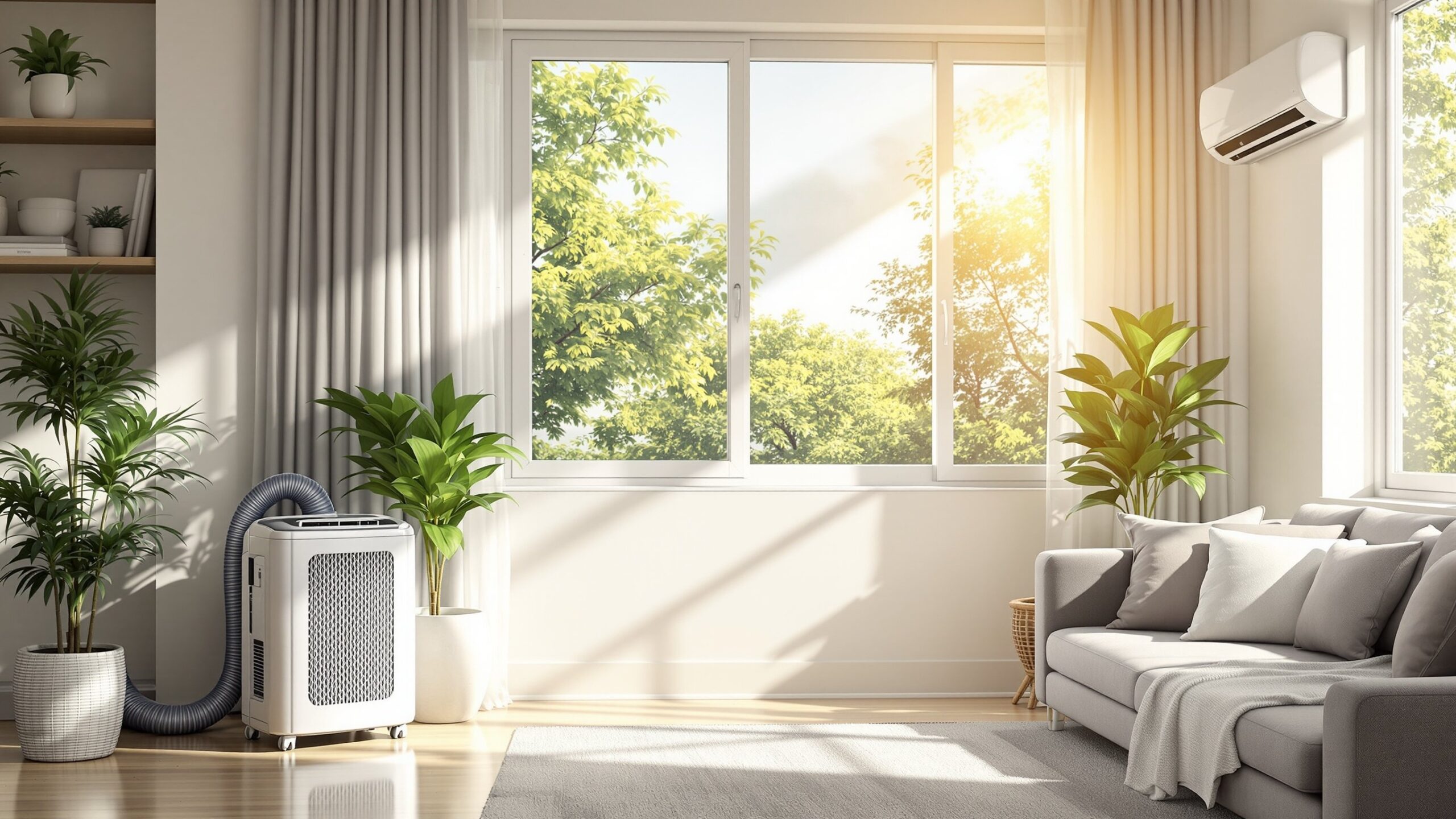
Portable air conditioners offer flexibility and mobility. They can be moved from room to room and vent hot air through a window hose. Because they are often slightly less efficient than window units, homeowners may choose a slightly higher BTU rating.
Ductless mini-split systems provide powerful and efficient cooling without requiring traditional ductwork. These systems consist of an indoor unit connected to an outdoor compressor. Mini-splits are available in capacities suitable for single rooms or entire homes.
Central air conditioning systems distribute cooled air through ductwork and are typically sized in tons rather than BTUs. One ton of cooling capacity equals 12,000 BTUs. Each type of air conditioner relies on proper sizing to deliver effective performance.
Avoiding the Problems of Oversizing
Many homeowners assume that buying a larger air conditioner will cool a room faster and provide better comfort. While this idea seems logical, oversizing actually creates several issues. When an air conditioner is too large, it cools the air quickly and shuts off before completing a full cycle. This process, known as short cycling, prevents the system from removing enough humidity. As a result, the room may feel cold but damp. High humidity can lead to discomfort, mold growth, and poor indoor air quality. Short cycling also increases wear and tear on the system. Frequent start-stop cycles strain compressors and reduce equipment lifespan. Choosing the correct air conditioner size avoids these problems and promotes stable indoor conditions.
The Risks of Undersizing
An undersized air conditioner presents a different set of challenges. A unit that lacks sufficient cooling capacity will run continuously in an attempt to reach the desired temperature.
Constant operation leads to increased energy consumption and higher utility bills. The system may still fail to cool the room adequately, leaving occupants uncomfortable during hot weather.
Extended operation also places strain on internal components, potentially shortening the lifespan of the equipment.
Proper sizing ensures that the air conditioner can handle peak cooling demands without excessive strain.
Using Professional Cooling Load Calculations
While simple BTU charts provide helpful guidance, professional HVAC technicians often perform detailed cooling load calculations to determine the most accurate air conditioner size. One common method is the Manual J calculation developed by the Air Conditioning Contractors of America. This comprehensive assessment considers factors such as home orientation, insulation levels, window types, air leakage, and occupancy patterns.
Manual J calculations produce highly precise results and are often used when installing central air systems or ductless mini-split networks. For homeowners planning large installations, professional sizing ensures optimal comfort and efficiency.
Energy Efficiency and Proper Sizing
Energy efficiency plays a crucial role in modern air conditioning systems. Units are often rated using Seasonal Energy Efficiency Ratio (SEER) or Energy Efficiency Ratio (EER). A higher SEER rating indicates greater efficiency and lower energy consumption.
However, even the most efficient air conditioner cannot perform well if it is improperly sized. An oversized high-efficiency system may still waste energy through short cycling. Conversely, a properly sized system with moderate efficiency may outperform an oversized premium model.
Matching cooling capacity to the room’s needs is essential for maximizing energy efficiency.
Special Considerations for Open Floor Plans
Modern homes frequently feature open floor plans that combine kitchens, dining areas, and living rooms into a single large space. These layouts create unique challenges for air conditioner sizing because air flows freely between areas. Instead of sizing for one room alone, homeowners must consider the combined square footage of the entire open space. Cooking appliances and kitchen equipment can also increase heat load significantly. In these situations, selecting a slightly larger air conditioner or installing multiple units may provide better cooling distribution.
Choosing the Right Air Conditioner for Bedrooms
Bedrooms typically require smaller air conditioners than common areas. Because these spaces are used primarily for sleeping, quiet operation and consistent temperature control are important considerations.
Many homeowners prefer slightly lower nighttime temperatures for better sleep. A properly sized air conditioner can maintain this comfort without excessive noise or frequent cycling.
Bedrooms with large windows or direct sunlight may require additional cooling capacity, especially during summer afternoons.
Selecting the right size ensures restful comfort throughout the night.
Cooling Large Living Areas
Living rooms and family rooms often serve as gathering spaces where multiple occupants spend extended periods of time. These areas may contain televisions, lighting systems, and other electronics that contribute to heat buildup. High ceilings and expansive windows are also common features in living areas, increasing the cooling load. When sizing an air conditioner for these spaces, homeowners should consider both square footage and heat sources. A properly sized unit ensures that the room remains comfortable even during gatherings or peak afternoon heat.
Climate and Regional Considerations
Climate plays an important role in determining air conditioner size. Homes in hotter regions require more cooling capacity than those in mild climates. Humidity levels also affect perceived comfort. In humid environments, air conditioners must remove moisture from the air in addition to lowering temperature.
Selecting the correct size helps maintain both temperature and humidity balance. Although national sizing charts provide general recommendations, homeowners should adjust cooling capacity based on local climate conditions.
The Future of Smart Cooling
Advances in smart home technology are transforming the way homeowners manage indoor comfort. Modern air conditioners often include smart thermostats, adaptive sensors, and automated scheduling. These systems can monitor room temperature, humidity, and occupancy patterns to optimize cooling performance. Some systems even adjust fan speeds and compressor output dynamically to maintain consistent comfort while minimizing energy use. When paired with properly sized equipment, smart cooling technology creates an efficient and responsive indoor environment.
Final Thoughts
Choosing the right air conditioner size for any room is a blend of science, planning, and practical understanding of how indoor environments function. Cooling capacity, measured in BTUs, must align with the specific needs of a space.
Room size provides the starting point, but other factors such as ceiling height, sunlight exposure, insulation quality, and internal heat sources all influence the final decision. Oversized systems can cause humidity problems and short cycling, while undersized units struggle to maintain comfort and consume excess energy.
By understanding cooling load and selecting the appropriate air conditioner capacity, homeowners can create a comfortable indoor climate that remains efficient and reliable throughout the hottest months of the year.
With the right knowledge and careful planning, selecting the perfect air conditioner becomes an investment in comfort, efficiency, and long-term satisfaction.