Choosing the right air conditioner can transform your home from a sweltering, uncomfortable space into a cool sanctuary during the hottest months of the year. Yet with several different types of air conditioning systems available—most commonly portable, window, and split air conditioners—many homeowners find themselves wondering which option truly delivers the best combination of performance, convenience, efficiency, and value. Each type of air conditioner is designed for a specific living situation. Portable units promise flexibility and easy installation, window units provide affordable and effective cooling for single rooms, and split air conditioners offer quiet, high-performance climate control for entire living spaces. Understanding how these systems work, where they excel, and where they may fall short is the key to making a smart cooling investment. In this guide, we’ll explore the differences between portable, window, and split air conditioners in depth. By the end, you’ll understand which cooling solution is best suited for your home, your lifestyle, and your energy efficiency goals.
A: Window units are often the most budget-friendly for cooling a single room.
A: Portable air conditioners are often the easiest because they need minimal permanent installation.
A: Split systems are often the most efficient overall, especially models with inverter technology.
A: Yes when flexibility matters, but they are often less efficient and louder than the other options.
A: In many cases yes, especially for single rooms, because they waste less cooled indoor air.
A: Yes, multi-zone split systems can cool several rooms with separate indoor units.
A: Split air conditioners are usually the quietest because the compressor stays outdoors.
A: Usually not for portable or many window units, but split systems commonly need professional installation.
A: Correct sizing, room conditions, installation quality, and realistic expectations often matter more than the logo.
A: A properly installed split system often offers the best blend of comfort, efficiency, and a built-in look.
Understanding the Basics of Air Conditioner Types
Air conditioners all operate using the same fundamental principle: they remove heat from indoor air and release it outside. This process relies on a refrigeration cycle involving a compressor, condenser coil, evaporator coil, and refrigerant. Warm indoor air passes over cold evaporator coils, heat is absorbed by the refrigerant, and the system then expels that heat outdoors.
While the cooling process remains similar across most air conditioners, the design and configuration of the system vary dramatically depending on the type of unit.
Portable air conditioners contain all components in a single floor-standing unit that vents hot air through a hose to a window or wall opening. Window air conditioners also house all cooling components in a single appliance, but they are mounted directly in a window frame so that the rear portion releases heat outdoors. Split air conditioners divide the system into two main parts: an indoor unit that circulates cool air and an outdoor condenser that expels heat.
These structural differences influence everything from installation complexity to noise levels, cooling capacity, and energy efficiency.
Portable Air Conditioners: Flexible Cooling for Modern Living
Portable air conditioners have surged in popularity in recent years, especially in apartments, rental properties, and homes where permanent installation isn’t practical. As the name suggests, these units are designed to be movable, allowing homeowners to roll the system from room to room as needed.
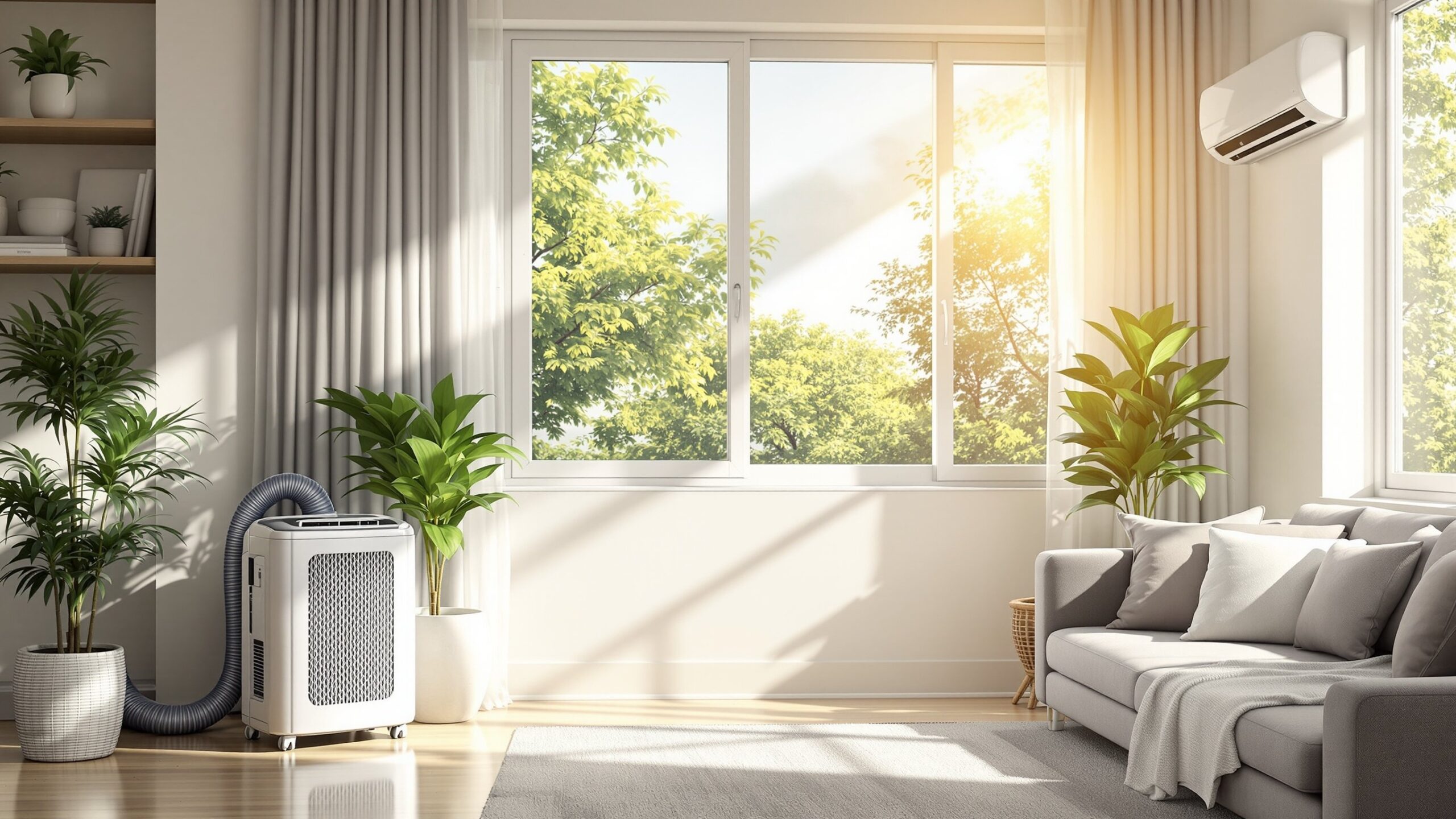
A typical portable air conditioner sits on the floor and connects to a nearby window using a flexible exhaust hose. This hose vents hot air generated during the cooling process to the outside. Some models use a single-hose design, while more efficient units incorporate dual-hose systems that improve airflow and cooling performance.
One of the biggest advantages of portable air conditioners is their ease of setup. Installation typically requires no tools and takes only a few minutes. Most units include adjustable window kits that fit a variety of window sizes. Because they are not permanently mounted, portable units are ideal for renters or anyone who needs temporary cooling.
Another appealing feature is mobility. If your bedroom is unbearably hot at night but your living room needs cooling during the day, a portable unit can serve both spaces with minimal effort.
However, portable air conditioners do have limitations. They tend to be less efficient than window or split systems because some heat can re-enter the room through the exhaust hose. Additionally, portable units take up floor space and can produce more noise since the compressor and fan are located inside the room.
Despite these trade-offs, portable air conditioners remain an excellent solution for people who need quick, flexible cooling without permanent installation.
Window Air Conditioners: The Classic Cooling Solution
Window air conditioners have been cooling homes for decades and remain one of the most widely used types of residential air conditioning. Their simple design, affordability, and reliable performance make them a popular choice for bedrooms, offices, and smaller living spaces.
A window air conditioner is installed directly in a window frame, with part of the unit extending outside the home. The outdoor portion houses the condenser coil and compressor, which release heat outdoors, while the indoor side circulates cool air into the room.
Because the hot components are positioned outside the living space, window units often perform more efficiently than portable air conditioners. They also typically deliver stronger cooling power for the same energy consumption.
Another major advantage of window air conditioners is their cost-effectiveness. Compared with split systems, they are significantly less expensive to purchase and install. Many homeowners can install a window unit themselves in less than an hour.
Window air conditioners also come in a wide range of sizes and cooling capacities, allowing them to handle spaces from small bedrooms to large living rooms.
However, window units do have some drawbacks. They occupy a window, reducing natural light and potentially obstructing views. Installation may also be difficult in homes with non-standard windows or sliding window designs. In some apartment buildings or homeowner associations, window units may even be restricted for aesthetic reasons.
Noise can also be a consideration. While quieter than many portable units, window air conditioners still place the compressor relatively close to the indoor space, which can produce noticeable sound. Even with these limitations, window air conditioners remain one of the most efficient and affordable ways to cool individual rooms.
Split Air Conditioners: High-Performance Home Comfort
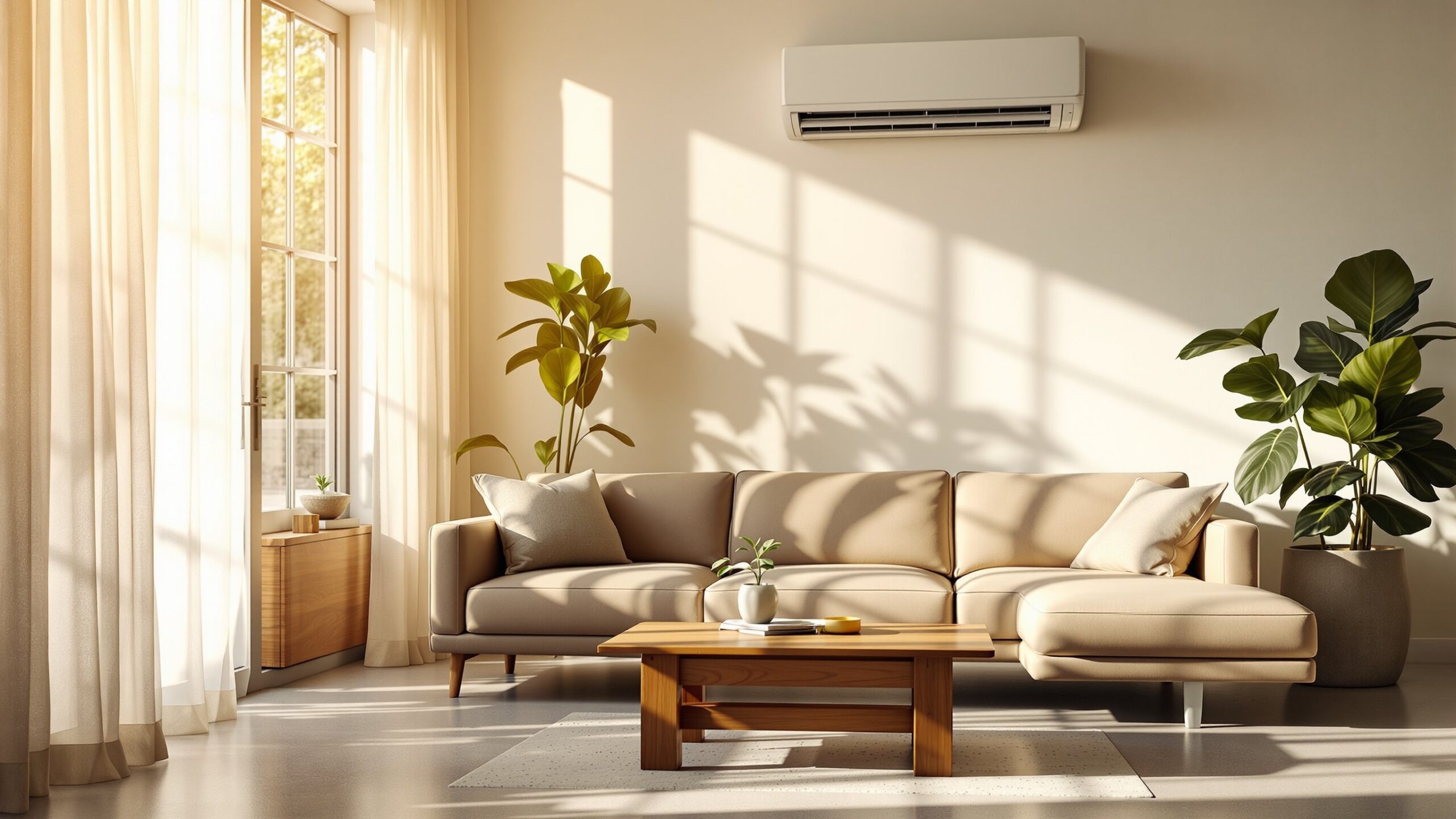
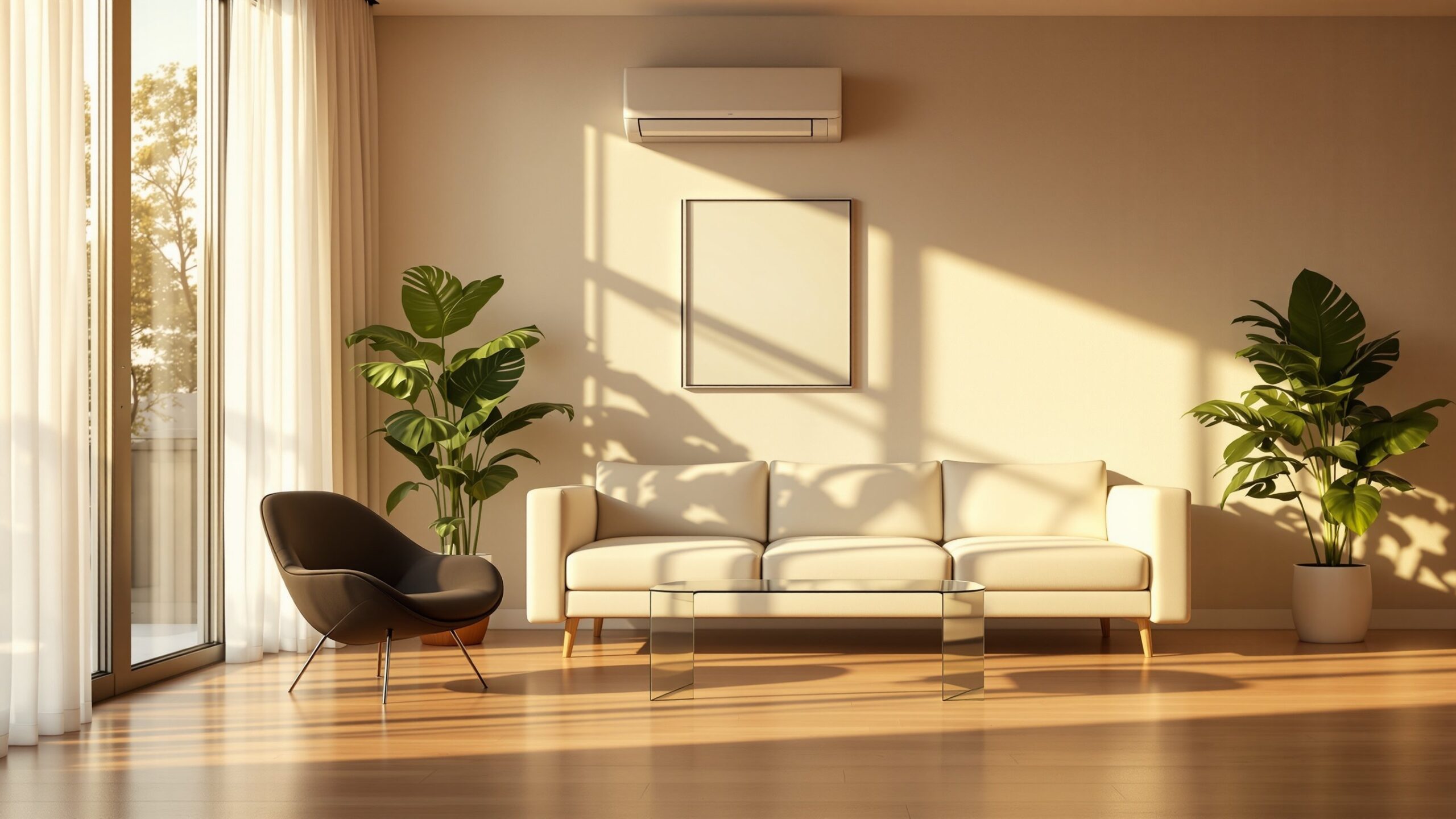
Split air conditioners represent a more advanced cooling solution and are often considered the gold standard for residential comfort. These systems consist of two separate components: an indoor air handler mounted on the wall and an outdoor condenser unit connected by refrigerant lines.
Because the compressor and condenser are located outside the home, split systems operate much more quietly than portable or window air conditioners. The indoor unit typically produces only the sound of a gentle fan, creating a calm and comfortable environment.
Another major advantage of split air conditioners is cooling performance. These systems are designed to handle larger spaces and maintain consistent temperatures throughout the room. Many modern split systems also include inverter technology, which allows the compressor to adjust its speed based on cooling demand. This improves energy efficiency while maintaining steady comfort.
Split air conditioners are also known for their sleek and modern appearance. The indoor unit is typically mounted high on a wall and blends easily with contemporary interior design.
Energy efficiency is another strong point. Many split systems achieve excellent energy ratings and consume less electricity over time compared with traditional window units.
However, split air conditioners require professional installation. Refrigerant lines must be connected between the indoor and outdoor units, and the system must be properly sealed and charged. This installation process increases the upfront cost.
Despite the higher price, many homeowners find that the comfort, efficiency, and quiet operation of split air conditioners justify the investment.
Cooling Performance: Which System Delivers the Most Power?
Cooling capacity is often measured in British Thermal Units (BTUs), which indicate how much heat an air conditioner can remove from a room per hour.
Portable air conditioners typically range from about 8,000 to 14,000 BTUs, making them suitable for small to medium-sized rooms. However, because of efficiency losses from vent hoses and indoor heat leakage, their real-world cooling performance may feel slightly lower than advertised.
Window air conditioners offer similar BTU ranges but often deliver stronger effective cooling since they vent heat directly outdoors. A well-sized window unit can cool rooms up to 500 square feet or more with impressive consistency.
Split air conditioners, on the other hand, often start around 9,000 BTUs and can exceed 36,000 BTUs in larger systems. This allows them to cool entire open-plan living areas or multiple connected spaces with ease. For homeowners seeking powerful, whole-room cooling with minimal temperature fluctuations, split air conditioners typically outperform both portable and window units.
Energy Efficiency and Long-Term Costs
Energy efficiency plays a major role in selecting an air conditioner, especially as electricity costs continue to rise. Efficient systems not only reduce utility bills but also lower environmental impact. Portable air conditioners tend to be the least efficient of the three types. Because warm air can re-enter the room through gaps or the exhaust hose, these systems often require more energy to maintain cool temperatures.
Window air conditioners perform better in terms of efficiency. Their direct outdoor ventilation allows the system to remove heat more effectively, reducing wasted energy.
Split air conditioners are typically the most energy-efficient option, particularly models equipped with inverter compressors. These systems adjust cooling output dynamically, avoiding the constant on-and-off cycling common in traditional units. While split systems cost more upfront, their long-term operating costs are often lower due to improved energy efficiency.
Noise Levels and Comfort
Noise can significantly affect comfort, especially in bedrooms or home offices where quiet environments are important. Portable air conditioners tend to produce the most noticeable noise since all mechanical components are located inside the room. While modern models have improved sound insulation, the compressor and fan remain audible.
Window air conditioners are somewhat quieter because part of the system sits outside, though they still generate noticeable hum during operation. Split air conditioners are by far the quietest option. With the compressor located outside, indoor noise levels are typically minimal. Many units operate at sound levels comparable to a whisper. For households where peaceful sleep or quiet workspaces are essential, split air conditioners often provide the most comfortable experience.
Installation and Maintenance Considerations
Installation requirements vary significantly among the three air conditioner types. Portable air conditioners are the easiest to install. Most units simply require attaching the exhaust hose and placing the window adapter. Maintenance typically involves cleaning the air filter and occasionally draining condensation.
Window air conditioners require more effort during installation but are still manageable for many homeowners. Proper support brackets and sealing are important to ensure stability and prevent air leaks. Split air conditioners require professional installation, including drilling through walls and connecting refrigerant lines. While this process adds cost, it also ensures optimal system performance. Maintenance for split systems generally involves periodic filter cleaning and occasional professional servicing.
Which Air Conditioner Is Best for Your Home?
Choosing the best air conditioner ultimately depends on your living situation, budget, and cooling needs. Portable air conditioners are ideal for renters, temporary spaces, or situations where installation is not possible. Their flexibility and mobility make them convenient for small areas that need occasional cooling. Window air conditioners strike an excellent balance between affordability and performance. For homeowners who want reliable cooling without a large investment, they remain a practical and efficient option. Split air conditioners deliver the highest level of comfort, quiet operation, and energy efficiency. They are particularly well suited for homeowners who want long-term cooling performance and a modern climate control solution.
Making the Smart Cooling Choice
Air conditioning technology has evolved dramatically, giving homeowners more choices than ever before. Portable, window, and split air conditioners each offer unique advantages that cater to different needs and lifestyles. Portable units emphasize flexibility and convenience, window air conditioners provide affordable and effective room cooling, and split systems deliver powerful, quiet, and energy-efficient climate control.
Understanding the strengths and limitations of each system allows homeowners to make a confident decision when upgrading their home cooling strategy. By selecting the right type of air conditioner for your space, you can enjoy consistent comfort, lower energy bills, and a refreshing escape from summer heat for years to come. In the end, the best air conditioner is the one that fits seamlessly into your home while delivering the cooling performance you need most.