Air conditioning is one of the biggest contributors to household electricity use during warm months. In many homes, cooling systems run for hours each day, working hard to maintain comfortable indoor temperatures while outdoor heat climbs. When an air conditioner is outdated or inefficient, the cost of maintaining that comfort can rise dramatically. That is why energy-efficient air conditioners have become one of the most important upgrades homeowners consider when looking to reduce their monthly utility bills. Energy-efficient air conditioners are designed to provide the same—or even better—cooling performance while using significantly less electricity. They achieve this through advanced compressors, smarter controls, and improved heat-exchange systems. Instead of blasting full power every time the temperature rises, modern systems can adjust their output gradually, cooling spaces more precisely and wasting far less energy in the process. The financial benefits of upgrading to a high-efficiency air conditioner can be substantial. Every improvement in efficiency reduces the amount of electricity required to cool your home. Over the lifespan of a system—often 10 to 15 years—those energy savings can add up to thousands of dollars in lower cooling costs. But savings are only part of the story. Energy-efficient systems also provide quieter operation, improved humidity control, and more consistent indoor comfort. Choosing the right system requires understanding the technologies behind efficient cooling. Once you know what to look for, you can find models that deliver powerful cooling performance without the financial shock of high electricity bills.
A: High efficiency ratings, inverter technology, proper sizing, and strong airflow design all help reduce power use.
A: No. Oversized units can short-cycle, waste energy, and leave humidity behind.
A: Often yes, especially in zoned spaces where you only cool the rooms you actually use.
A: They can be useful, but they are often less efficient than window units or mini-splits.
A: Check monthly during heavy use and clean or replace as needed based on dust and manufacturer guidance.
A: Yes. Blocking direct sun reduces indoor heat gain and makes cooling easier.
A: The highest setting that still feels comfortable, especially when paired with fans and good insulation.
A: Poor insulation, dirty filters, duct leaks, bad sizing, or heavy sun exposure can all reduce savings.
A: It is a strong starting point, but room size, install quality, and features still matter.
A: Use the right-size unit, keep filters clean, seal air leaks, and avoid overcooling unused spaces.
Understanding Air Conditioner Efficiency Ratings
The efficiency of an air conditioner is primarily measured using the Seasonal Energy Efficiency Ratio, commonly known as SEER or its newer version, SEER2. This rating compares the cooling output of an air conditioner to the amount of electricity it consumes over a typical cooling season. In simple terms, a higher rating means the unit provides more cooling for each unit of energy used.
Modern regulations require most residential air conditioners to meet minimum efficiency standards. Many older systems operate around 10 to 13 SEER, while new systems typically start around 14 SEER2 or higher. Premium models can exceed 20 SEER2, dramatically reducing energy consumption compared to older equipment.
To understand how meaningful this difference can be, consider a comparison between a 14 SEER unit and an 18 SEER system. The higher-efficiency model can be roughly 20 percent more efficient, translating directly into lower cooling costs over time.
SEER2 ratings reflect improved testing standards designed to more accurately represent real-world performance. These ratings consider factors such as external static pressure and actual operating conditions, making them a better indicator of real household energy consumption.
When evaluating air conditioners, the SEER2 rating should be one of the first specifications you examine. However, it is not the only factor influencing efficiency. Compressor design, system sizing, installation quality, and airflow also play important roles in determining how much energy your air conditioner ultimately uses.
Technologies That Make Air Conditioners More Efficient
Energy-efficient air conditioners rely on a range of technological improvements that help reduce electricity consumption without sacrificing cooling performance. One of the most important innovations is the variable-speed compressor.
Traditional air conditioners operate using single-stage compressors that run at full power whenever cooling is needed. This constant start-stop cycle consumes large amounts of electricity and can cause uneven indoor temperatures. Variable-speed compressors, by contrast, adjust their output gradually. Instead of repeatedly turning on and off, they operate at the precise level required to maintain the desired temperature.
This technology significantly reduces energy waste and improves comfort by maintaining more stable indoor conditions. Some systems also include two-stage compressors, which offer two levels of cooling output rather than a simple on-off operation.
Another key innovation is inverter technology. Inverter-driven compressors continuously adjust their speed to match the cooling demand in real time. This approach eliminates the energy spikes associated with traditional compressors and allows the air conditioner to run more efficiently during long cooling cycles.
Improved refrigerants have also contributed to energy efficiency. Many modern systems use environmentally friendly refrigerants such as R-32, which provide effective heat transfer while reducing environmental impact.
Smart thermostats and advanced control systems further enhance efficiency. These technologies learn household cooling patterns and automatically adjust temperature settings to minimize energy consumption while maintaining comfort.
Together, these innovations allow modern air conditioners to deliver powerful cooling with far less electricity than previous generations.
Types of Energy-Efficient Air Conditioners
Energy-efficient air conditioners come in several configurations, each suited to different homes and cooling needs. Understanding these types can help homeowners choose the system that offers the best balance of performance, efficiency, and installation requirements.
Central air conditioning systems are among the most common solutions for whole-home cooling. These systems use ductwork to distribute cooled air throughout the house. High-efficiency central systems often feature variable-speed compressors and high SEER2 ratings, making them capable of cooling large spaces while minimizing energy consumption.
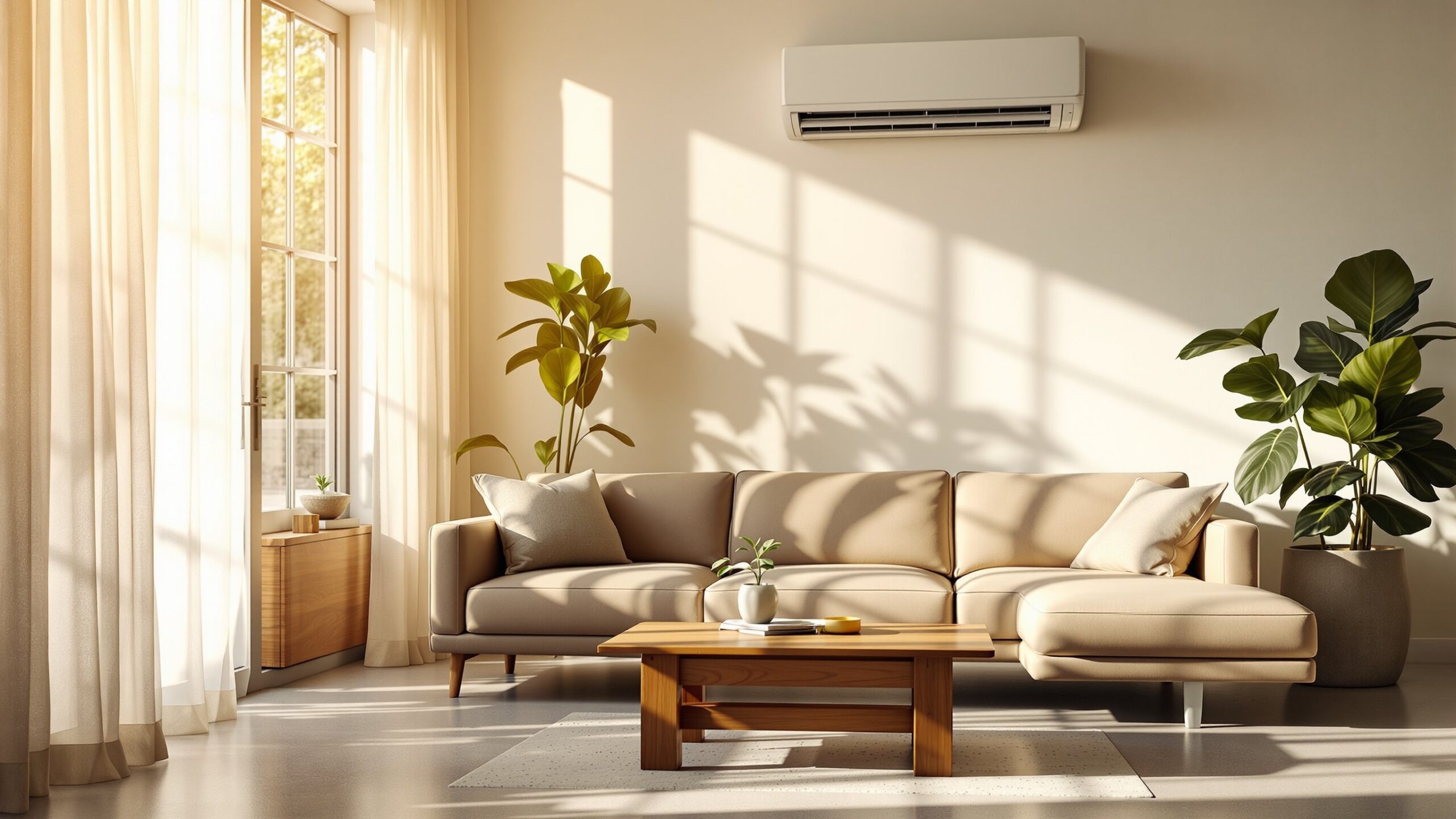
Ductless mini-split systems are another highly efficient option. Instead of relying on ductwork, mini-splits deliver cooled air directly to individual rooms through wall-mounted indoor units connected to an outdoor compressor. Because there is no ductwork, energy losses associated with air leakage are eliminated. In traditional ducted systems, those losses can account for as much as 30 percent of cooling energy.
Mini-splits are particularly popular for homes without existing ducts, additions, and rooms that require independent temperature control. Their inverter technology allows them to operate with exceptional efficiency while maintaining quiet operation.
Window air conditioners remain a practical option for smaller spaces or apartments. Modern high-efficiency window units incorporate inverter compressors, smart controls, and improved insulation to reduce electricity use while delivering strong cooling performance.
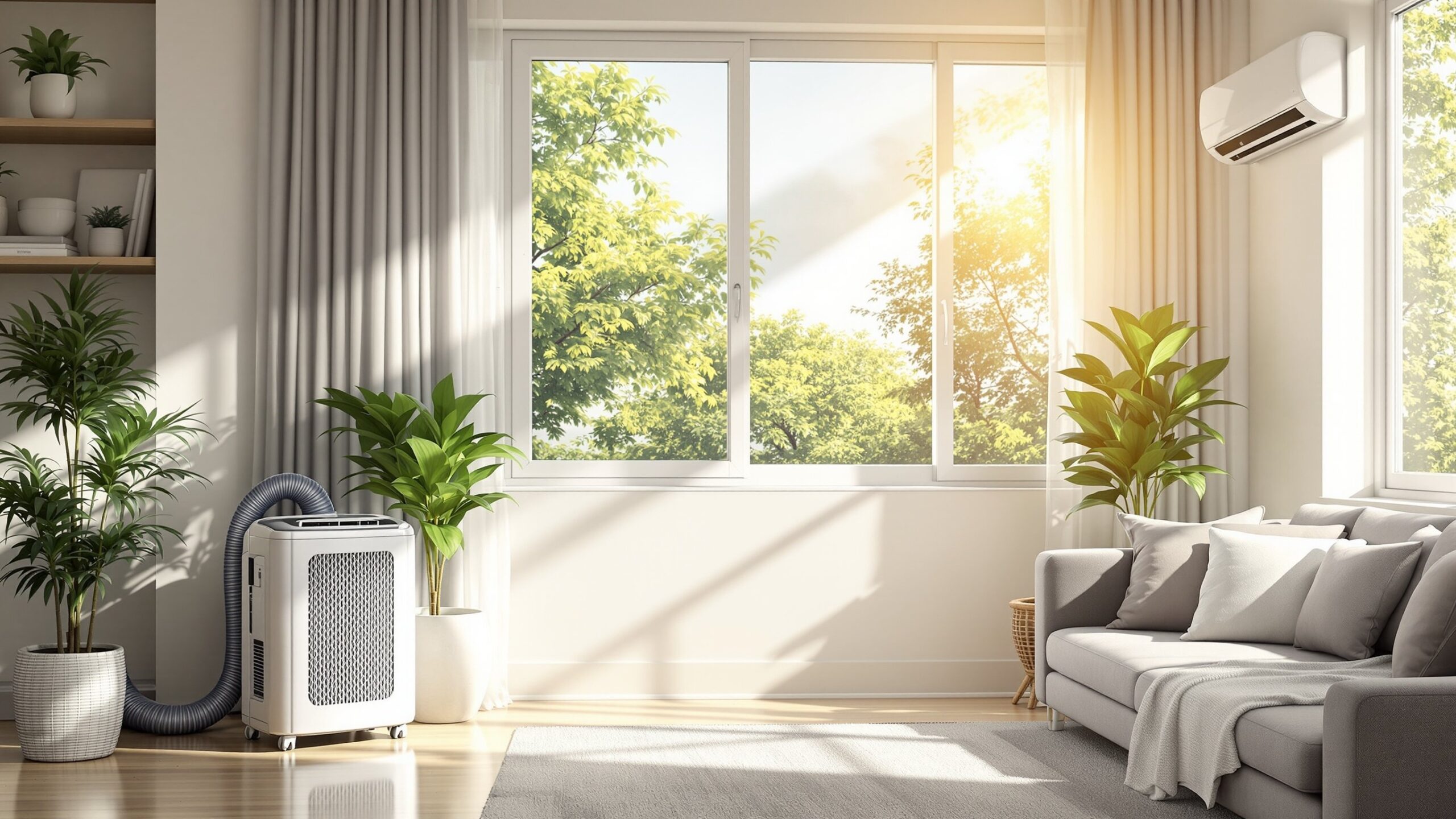
Portable air conditioners offer flexibility for spaces where permanent installation is not possible. Although they are generally less efficient than other types, newer models have improved energy performance compared to earlier designs.
Each system type offers unique advantages, and the best choice depends on factors such as home size, existing infrastructure, and cooling preferences.
Top Energy-Efficient Air Conditioner Models
Several air conditioner models consistently stand out for their exceptional efficiency and performance. These units incorporate advanced technologies and high SEER2 ratings to reduce electricity use while maintaining reliable cooling.
The Lennox XC25 is widely recognized as one of the most energy-efficient central air conditioners available. With a SEER rating reaching as high as 26, this system uses a variable-speed compressor to adapt precisely to changing cooling demands. This allows it to maintain comfortable temperatures while consuming minimal energy.
Another standout option is the Amana ASXV9, which offers SEER2 ratings of up to 23.5. Its inverter-driven compressor delivers precise temperature control while optimizing energy use throughout the cooling cycle.
Daikin’s FIT system has also gained recognition for its energy efficiency and compact design. With SEER2 ratings exceeding 20, it provides high-performance cooling while occupying less outdoor space than traditional systems.
Carrier’s Infinity 26 system represents another premium option for homeowners seeking maximum efficiency. Its Greenspeed Intelligence technology continuously adjusts compressor speed to deliver optimal cooling with minimal energy consumption.
These high-efficiency systems often cost more upfront, but their long-term energy savings can make them a smart investment for homeowners who prioritize lower electricity bills and improved comfort.
How Proper Sizing Improves Energy Efficiency
Even the most advanced air conditioner cannot operate efficiently if it is improperly sized for the space it cools. Many homeowners assume that a larger air conditioner will provide better cooling performance. In reality, oversized units can reduce efficiency and comfort.
When an air conditioner is too large for a space, it cools the air quickly but does not run long enough to remove humidity effectively. This can leave rooms feeling damp or clammy while increasing energy consumption due to frequent on-off cycles.
Proper sizing ensures the air conditioner runs long enough to maintain consistent temperatures and humidity levels. Cooling capacity is typically measured in British Thermal Units (BTUs) or tons, with one ton representing approximately 12,000 BTUs of cooling per hour.
Professional HVAC technicians perform detailed load calculations to determine the ideal system size for a home. These calculations consider factors such as square footage, insulation levels, window orientation, and local climate conditions.
When correctly sized and installed, an energy-efficient air conditioner can operate at its optimal performance level, maximizing both comfort and electricity savings.
Smart Features That Reduce Cooling Costs
Modern air conditioners increasingly integrate smart technologies designed to optimize cooling efficiency. These features give homeowners greater control over how and when their systems operate, helping to reduce unnecessary energy use.
Smart thermostats are among the most effective tools for improving efficiency. These devices learn household schedules and automatically adjust temperatures when occupants are away or asleep. By avoiding unnecessary cooling, they can significantly reduce electricity consumption.
Many systems also include Wi-Fi connectivity, allowing users to control their air conditioner remotely using smartphone apps. This capability makes it easy to adjust settings from anywhere, ensuring the system only runs when needed.
Advanced sensors and adaptive algorithms further improve efficiency by monitoring indoor conditions and adjusting airflow accordingly. Some systems even track weather forecasts to anticipate temperature changes and optimize cooling cycles.
By combining high-efficiency hardware with intelligent control systems, modern air conditioners create a powerful synergy that minimizes energy use while maximizing comfort.
Environmental Benefits of Energy-Efficient Cooling
Energy-efficient air conditioners not only reduce electricity bills but also contribute to environmental sustainability. Air conditioning accounts for a significant portion of global electricity consumption, particularly in regions with hot climates.
When homeowners choose efficient cooling systems, they reduce the demand for electricity generated from fossil fuels. This leads to lower greenhouse gas emissions and decreased strain on power grids during peak cooling seasons.
Many high-efficiency air conditioners also use environmentally friendly refrigerants with lower global warming potential. These refrigerants improve heat transfer performance while reducing environmental impact compared to older chemical formulations.
Additionally, efficient systems often last longer because they operate more smoothly and experience less mechanical stress. This extended lifespan reduces the frequency of equipment replacement, lowering the environmental footprint associated with manufacturing and disposal.
By investing in energy-efficient air conditioning, homeowners can play a meaningful role in promoting sustainable energy use while enjoying improved indoor comfort.
Tips for Maximizing Air Conditioner Efficiency
Even the most efficient air conditioner will struggle to reduce cooling costs if it is not used correctly. Homeowners can take several practical steps to ensure their system operates at peak efficiency throughout the cooling season.
Regular maintenance is essential. Dirty filters, clogged coils, and blocked airflow can dramatically reduce efficiency. Replacing air filters every few months and scheduling annual professional maintenance can help keep the system running smoothly.
Proper insulation also plays a major role in reducing cooling demands. Well-insulated homes retain cooled air more effectively, allowing the air conditioner to run less frequently.
Sealing air leaks around windows, doors, and ductwork prevents cooled air from escaping and hot air from entering. These simple improvements can significantly enhance the performance of an energy-efficient cooling system.
Using ceiling fans alongside air conditioning can further reduce electricity consumption. Fans circulate cool air more effectively, allowing homeowners to raise thermostat settings without sacrificing comfort.
Finally, thoughtful thermostat management can make a major difference. Raising the thermostat by just a few degrees when away from home can result in noticeable energy savings over time.
The Future of Energy-Efficient Cooling
The next generation of air conditioning technology promises even greater improvements in energy efficiency and environmental sustainability. Researchers and manufacturers are exploring innovative approaches to cooling that could transform the industry.
One area of development involves advanced compressor designs capable of achieving extremely high efficiency levels. Some future systems may exceed current SEER2 performance benchmarks by large margins. Smart home integration is another rapidly evolving field. Artificial intelligence and predictive algorithms may soon allow air conditioners to anticipate cooling needs based on weather forecasts, occupancy patterns, and energy pricing.
New refrigerants with ultra-low environmental impact are also under development. These refrigerants aim to reduce greenhouse gas emissions while maintaining high cooling performance. Emerging technologies such as thermoelectric cooling and solar-powered air conditioning may eventually offer alternative approaches to traditional vapor-compression systems. As these innovations continue to develop, homeowners can expect future air conditioners to become quieter, smarter, and dramatically more efficient.
Conclusion
Energy-efficient air conditioners represent one of the most effective ways to reduce cooling costs while improving indoor comfort. By combining advanced compressor technologies, intelligent controls, and high efficiency ratings, modern systems can deliver powerful cooling with significantly lower electricity consumption.
When selecting a new air conditioner, it is important to consider factors such as SEER2 ratings, system type, proper sizing, and smart features. These elements work together to determine how efficiently a system operates in real-world conditions.
Although high-efficiency models may require a larger upfront investment, the long-term savings on electricity bills can make them a financially wise choice. In addition to lowering household expenses, efficient cooling systems help reduce environmental impact and support a more sustainable energy future.
As air conditioning technology continues to evolve, homeowners will have access to increasingly sophisticated systems capable of delivering exceptional comfort while consuming far less energy. Choosing the right energy-efficient air conditioner today is not only a smart financial decision but also an investment in a cooler, more sustainable tomorrow.