Humidity is one of the most overlooked factors in home comfort. Too much moisture in the air doesn’t just make your home feel sticky and uncomfortable—it can also lead to mold growth, musty odors, and even structural damage over time. In 2026, dehumidifiers have evolved into smarter, quieter, and far more energy-efficient appliances, designed to tackle everything from damp basements to small bedrooms with precision. This guide explores the best dehumidifiers of 2026, highlighting top-performing models for every room size while helping you understand how to choose the right one for your space.
A: It depends on room size and how damp the space gets. Bedrooms may need compact units, while basements and large living areas usually need higher-capacity models.
A: Around 45% to 50% is a common comfort target for many homes.
A: Some are fairly noticeable, especially on high fan settings, but quieter models are better suited to bedrooms, nurseries, and offices.
A: Yes, especially for basements or high-humidity rooms where the bucket would fill too often.
A: Sometimes, but it works best in open layouts. Closed doors and separated rooms limit airflow and moisture capture.
A: Cooler room temperatures can cause frost on the coils, so models with auto-defrost are better for those spaces.
A: Yes. A dirty filter reduces airflow and can lower drying performance over time.
A: Only as needed. In very damp conditions it may fill quickly, which is why larger tanks or hose drainage are so useful.
A: Not always, but giving yourself some capacity headroom usually helps the unit handle tougher humidity days more comfortably.
A: Strong moisture removal, practical drainage options, manageable noise, easy controls, and reliable performance for the specific room size it is meant to serve.
Why Dehumidifiers Matter More Than Ever
Indoor air quality has become a major focus for homeowners, especially as modern homes become more tightly sealed for energy efficiency. While that helps retain heat or cooling, it also traps moisture indoors.
Excess humidity can create the perfect environment for mold, mildew, and dust mites. According to testing standards, maintaining humidity below 50% is key to preventing these issues and improving overall comfort.
Modern dehumidifiers not only remove moisture but also enhance air quality, protect furniture, and even help laundry dry faster. Many newer models now include smart sensors, app controls, and energy-saving modes, making them easier than ever to integrate into daily life.
Best Overall Dehumidifier of 2026
The standout performer this year is the Midea Cube 50-Pint Dehumidifier. This model consistently ranks at the top thanks to its combination of power, efficiency, and thoughtful design. It removes moisture faster than most competitors, features a large tank capacity, and delivers excellent energy efficiency. What makes it particularly unique is its modular design. The “lift-and-twist” cube structure allows it to expand for high-capacity operation or collapse for compact storage. It also includes a built-in pump for continuous drainage, making it ideal for long-term use in basements or large spaces. For homeowners who want a single solution that works across multiple environments, this is arguably the best all-around choice in 2026.
Best Dehumidifiers for Large Spaces
Large rooms, open floor plans, and basements require high-capacity machines capable of removing 50 pints or more of moisture per day. One of the most effective options is the Frigidaire 50-Pint Dehumidifier, known for its rapid moisture removal. In testing, it reduced humidity levels dramatically in large rooms within minutes, outperforming many competitors in speed.
Another strong contender is the GoveeLife Smart 50-Pint Dehumidifier, which adds smart home integration and remote control features, making it ideal for tech-savvy users. For even larger coverage, models like the Midea Cube can handle spaces up to 4,500 square feet, making them perfect for expansive basements or multi-room areas.
Large-capacity units are essential when dealing with persistent dampness, especially in environments prone to flooding or high humidity levels.
Best Dehumidifiers for Medium Rooms
Medium-sized rooms such as living rooms, apartments, and home offices typically benefit from dehumidifiers in the 30–40 pint range.
The Honeywell 30-Pint Smart Dehumidifier stands out in this category for its balance of performance and usability. It maintains consistent humidity levels while offering smart connectivity and intuitive controls.
The Frigidaire 35-Pint Dehumidifier is another excellent option, particularly praised for its efficiency and ease of use. It can quickly bring humidity down from uncomfortable levels to a balanced range, making it ideal for everyday living spaces.
These mid-capacity models are often quieter and more energy-efficient than larger units, making them a practical choice for frequently occupied rooms.
Best Dehumidifiers for Small Spaces
Small rooms such as bedrooms, bathrooms, closets, and laundry areas require compact, quiet solutions. The Eva-Dry Renewable Mini Dehumidifier is one of the best portable options for tight spaces. It’s affordable, compact, and doesn’t require a power cord during operation, making it ideal for closets or small storage areas.
For slightly larger small rooms, compact compressor units like the Frigidaire 22-Pint Dehumidifier offer more power while maintaining a small footprint. Mini dehumidifiers are particularly useful in areas where space is limited or where noise needs to be kept to a minimum, such as bedrooms or nurseries.
Best Dehumidifiers for Basements and Damp Areas
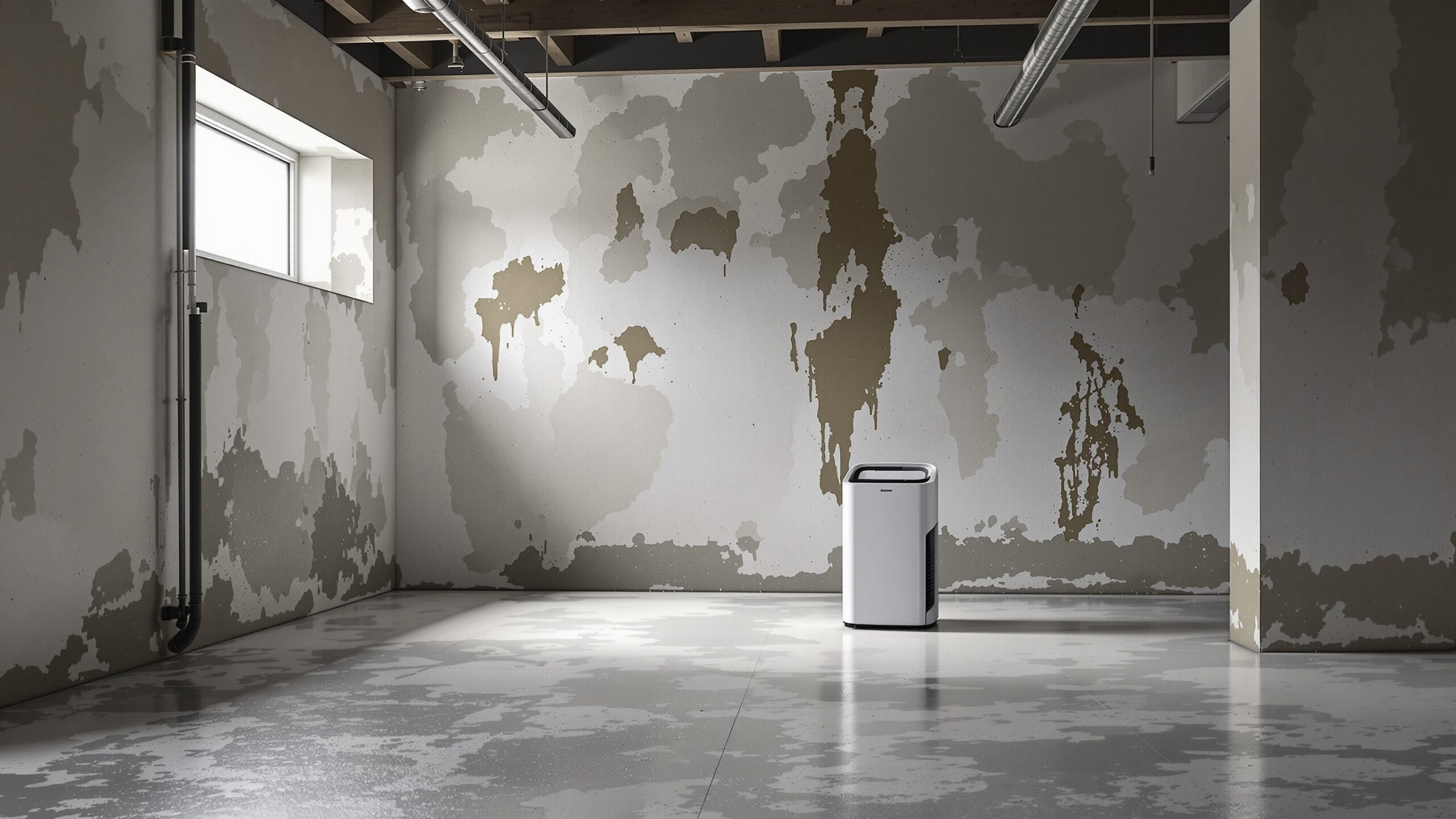
Basements are one of the most challenging environments for humidity control. They tend to be cooler, darker, and more prone to moisture intrusion.
High-capacity units like the Midea Cube or Vellgoo 52-Pint Dehumidifier excel in these conditions, offering continuous drainage options and powerful extraction rates.
Experts recommend sizing up rather than down when choosing a basement dehumidifier, as wetter environments require more powerful machines to maintain effective humidity control.
Many modern units also include built-in pumps, allowing water to be drained upward into sinks or out of windows—an essential feature for below-ground spaces.
Understanding Dehumidifier Types
There are two main types of dehumidifiers in 2026: compressor and desiccant models.
Compressor dehumidifiers are the most common. They work by cooling air to remove moisture and are highly efficient in warm environments. These are ideal for most homes, especially during summer.
Desiccant dehumidifiers, on the other hand, use moisture-absorbing materials and perform better in cooler environments. They are often quieter and can double as air warmers, making them ideal for winter use or unheated spaces.
Choosing the right type depends largely on your climate and where the unit will be used.
Key Features to Look for in 2026
Modern dehumidifiers are more advanced than ever, and certain features can significantly enhance usability and performance.
Smart connectivity has become increasingly common, allowing users to control humidity levels remotely via smartphone apps or voice assistants. This is especially useful for managing humidity in basements or vacation homes.
Energy efficiency is another critical factor. Today’s top models are designed to remove more moisture using less electricity, helping to reduce energy costs while maintaining comfort.
Noise levels have also improved. Many units now operate in the low 40–50 decibel range, making them suitable for bedrooms and living areas.
Finally, tank capacity and drainage options play a major role in convenience. Larger tanks require less frequent emptying, while continuous drainage systems allow for uninterrupted operation.
Matching Dehumidifier Size to Room Size
Choosing the right capacity is essential for effective performance.
Small rooms typically need units that remove 20–30 pints per day. Medium rooms perform best with 30–40 pint models, while large spaces and basements require 50-pint units or higher.
Coverage area is equally important. Many modern dehumidifiers list their maximum square footage, which can range from 1,000 square feet to over 4,500 square feet depending on the model.
Selecting a unit that is too small will result in inefficient operation, while an oversized unit may consume unnecessary energy.
Energy Efficiency and Running Costs
Energy efficiency has become a major focus in 2026, with many models earning Energy Star certification.
Efficient dehumidifiers remove more moisture per watt of electricity, reducing long-term operating costs. This is particularly important for units that run continuously, such as those in basements or humid climates.
Some models also include eco modes that automatically adjust operation based on humidity levels, further improving efficiency.
Noise, Design, and Everyday Comfort
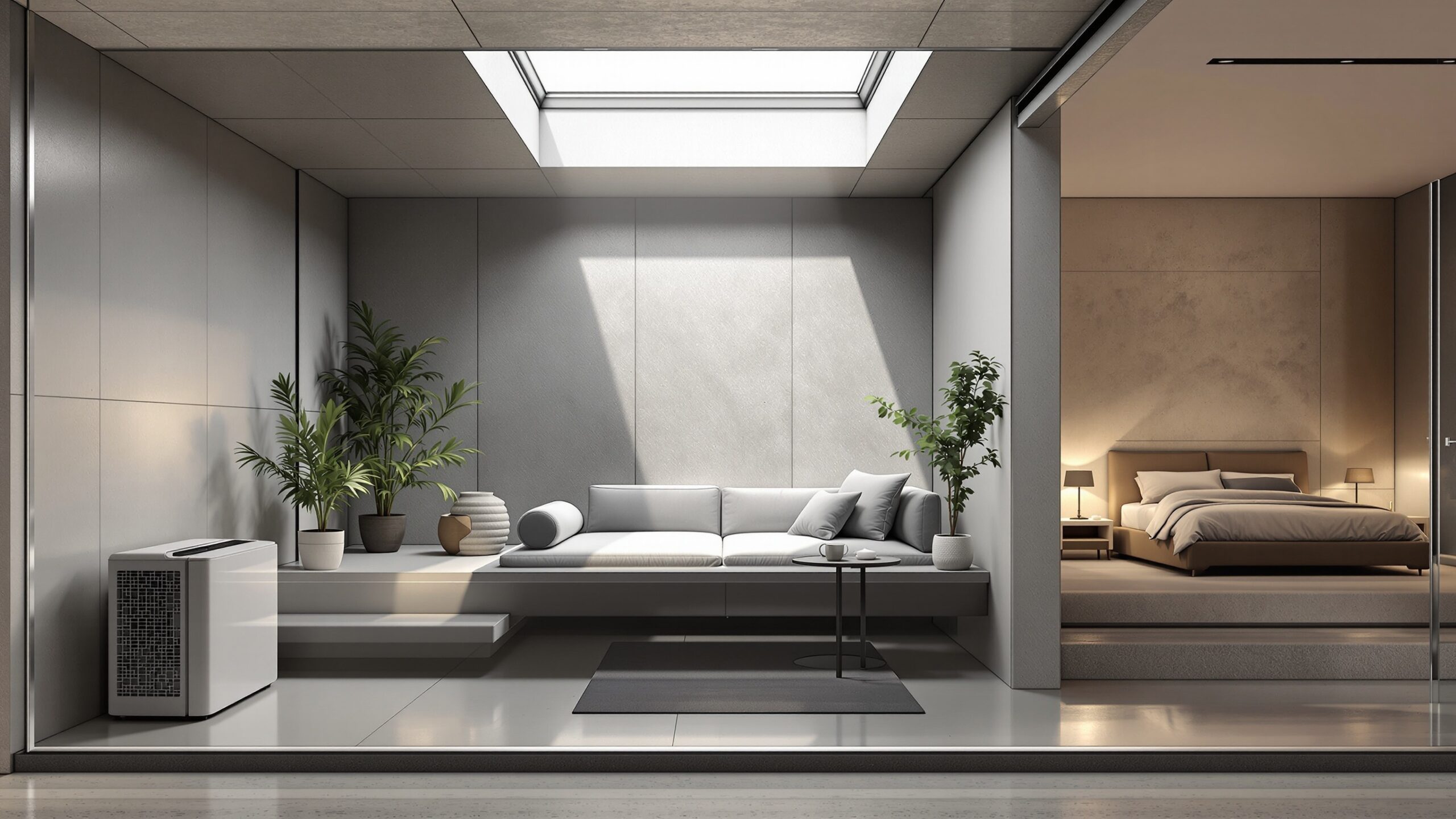
While performance is critical, everyday usability also matters. Modern dehumidifiers are designed with quieter operation in mind, making them suitable for bedrooms and shared living spaces. Many units also feature sleek, minimalist designs that blend into modern interiors. Mobility is another important consideration. Most units now include wheels and handles, allowing you to move them easily between rooms.
Choosing the Best Dehumidifier for Your Home
The best dehumidifier of 2026 ultimately depends on your space, climate, and specific needs.
For most homeowners, the Midea Cube stands out as the best overall option thanks to its performance, efficiency, and versatility. Large spaces benefit from powerful 50-pint units like Frigidaire or GoveeLife models, while medium and small rooms can rely on more compact, energy-efficient designs.
What’s clear is that today’s dehumidifiers are smarter, quieter, and more effective than ever before. Whether you’re dealing with a damp basement, a humid bedroom, or seasonal moisture issues, the right dehumidifier can transform your indoor environment into a healthier, more comfortable space.
Investing in the right model isn’t just about comfort—it’s about protecting your home, your belongings, and your health for years to come.