When winter temperatures drop and energy bills rise, finding the most energy-efficient way to stay warm becomes more than a comfort decision—it becomes a financial strategy. Space heaters have evolved into powerful, targeted heating tools that can dramatically reduce reliance on central heating systems. When used correctly, they can help homeowners cut electricity costs while maintaining a cozy, comfortable environment. This guide explores the most energy-efficient types of space heaters, how they work, and how to choose the right one for your space and budget. If you’re looking to save money without sacrificing warmth, understanding efficiency is the key.
A: They can be very efficient for zone heating when used in the room you actually occupy.
A: Usage depends more on thermostat control, room size, insulation, and run time than heater style alone.
A: It can add up fast if used nonstop, which is why thermostats and eco modes matter.
A: Yes, especially for steady warmth over longer periods in quieter spaces.
A: Yes, they usually heat quickly and work well in bedrooms, offices, and other compact areas.
A: No, it is safer to plug it directly into a wall outlet.
A: They can feel efficient in occupied areas because they focus warmth on people and nearby objects.
A: Only if the unit is designed for it and all safety instructions are followed carefully.
A: Look for eco mode, a precise thermostat, timer, multiple heat settings, and good room matching.
A: Close drafts, heat one room at a time, and lower the setting once the space feels comfortable.
Why Dehumidifiers Matter More Than Ever
Indoor air quality has become a major focus for homeowners, especially as modern homes become more tightly sealed for energy efficiency. While that helps retain heat or cooling, it also traps moistureA
Understanding Energy Efficiency in Space Heaters
Before diving into specific heater types, it’s important to understand a surprising truth: nearly all electric space heaters are technically 100% efficient. That means they convert all the electricity they use into heat. So why do some heaters feel cheaper to run than others?
The difference lies in how efficiently that heat is delivered, retained, and used in your space. Some heaters warm the air quickly but lose heat just as fast. Others heat objects or retain warmth for longer periods, reducing how often they need to run.
In practical terms, the most energy-efficient heater is not necessarily the one that uses the least electricity per second—but the one that minimizes total energy consumption over time.
Why Space Heaters Can Lower Electricity Bills
Central heating systems warm entire homes, even rooms that aren’t being used. Space heaters allow for zonal heating, meaning you only heat the areas you occupy.
This targeted approach leads to several benefits:
- Reduced overall energy consumption
- Lower monthly electricity costs
- Faster heating in occupied rooms
- Greater control over temperature preferences
Infrared heaters, for example, excel at zonal heating by warming people and objects directly instead of wasting energy heating unused air.
When used strategically—like heating a home office instead of the entire house—space heaters can significantly cut utility bills.
Ceramic Space Heaters: Efficient and Responsive
Ceramic space heaters are among the most popular options for energy-conscious homeowners. They use ceramic plates that heat up quickly and regulate temperature automatically. One of their biggest advantages is self-regulation. As the heater reaches a certain temperature, it naturally reduces its power draw, helping prevent energy waste.
This makes ceramic heaters ideal for:
- Small to medium rooms
- Bedrooms and home offices
- Consistent, low-level heating
Because they heat quickly and cycle efficiently, ceramic heaters often strike the perfect balance between performance and energy savings.
They also tend to operate quietly and include built-in safety features, making them a practical and economical everyday option.
Infrared Space Heaters: Targeted Efficiency
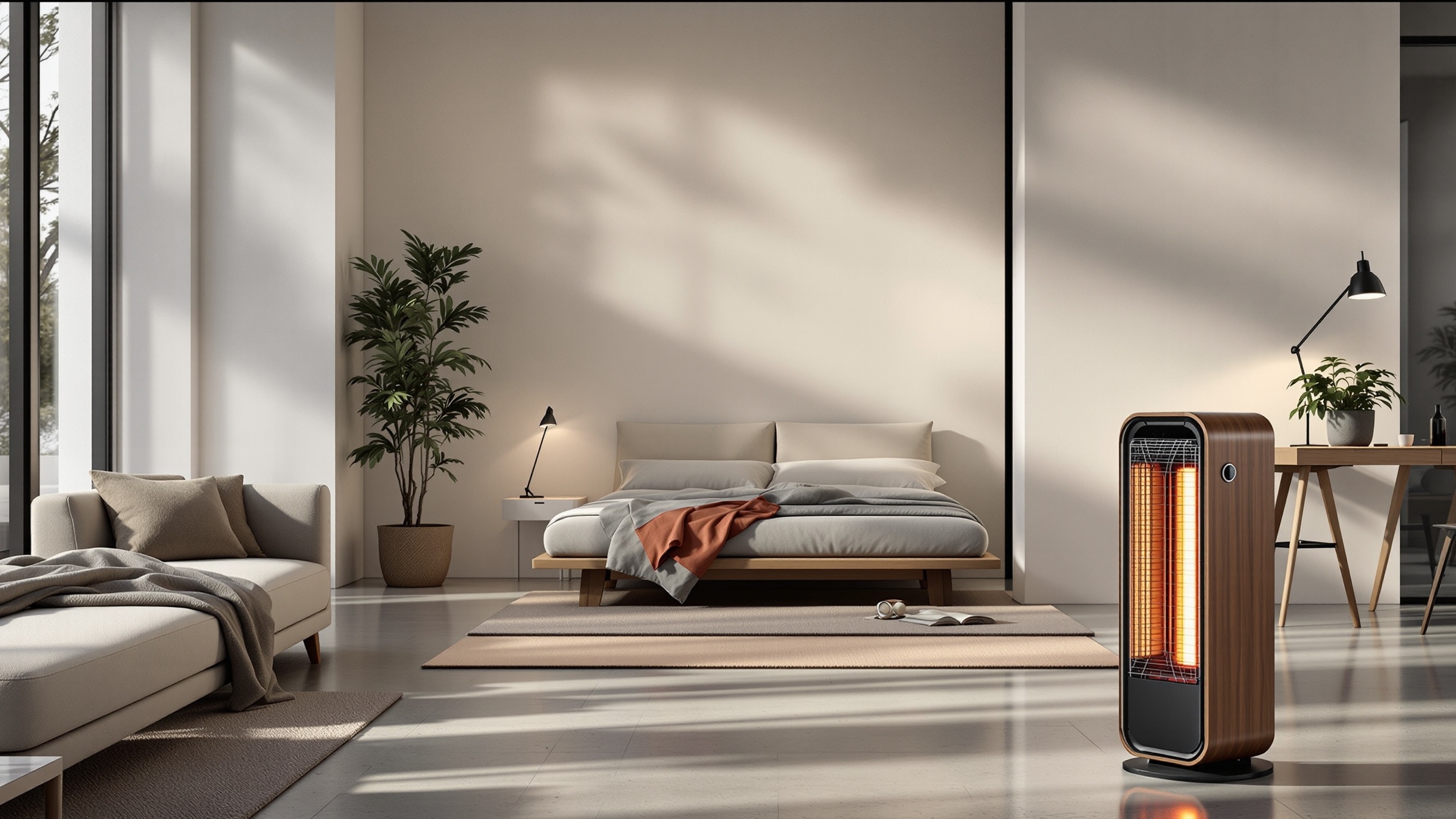
Infrared heaters represent one of the most energy-efficient technologies available today—especially for targeted heating.
Unlike traditional heaters that warm the air, infrared models emit radiant heat that directly warms people, furniture, and surfaces. This eliminates the energy loss associated with heating entire rooms.
As a result, infrared heaters:
- Provide instant warmth
- Use less energy in drafty or open spaces
- Reduce wasted heat
They are often considered the most efficient option for spot heating, particularly in large or poorly insulated areas.
Additionally, their quick heat-up time means they don’t need to run as long, further lowering energy consumption.
If your goal is to stay warm while using the least amount of electricity possible, infrared heaters are hard to beat.
Oil-Filled Radiators: Long-Lasting Warmth
Oil-filled radiators operate differently from both ceramic and infrared heaters. Instead of producing quick bursts of heat, they focus on thermal retention.
These heaters warm internal oil, which then radiates heat slowly and consistently over time. Even after the unit is turned off, it continues to release warmth.
This makes oil-filled radiators ideal for:
- Overnight heating
- Bedrooms and living rooms
- Long-duration use
Because they retain heat so effectively, they can reduce the need for continuous operation, which helps lower energy usage over time. While they take longer to warm up, their steady heat output makes them one of the most cost-effective options for extended use.
Panel Heaters and Convection Models
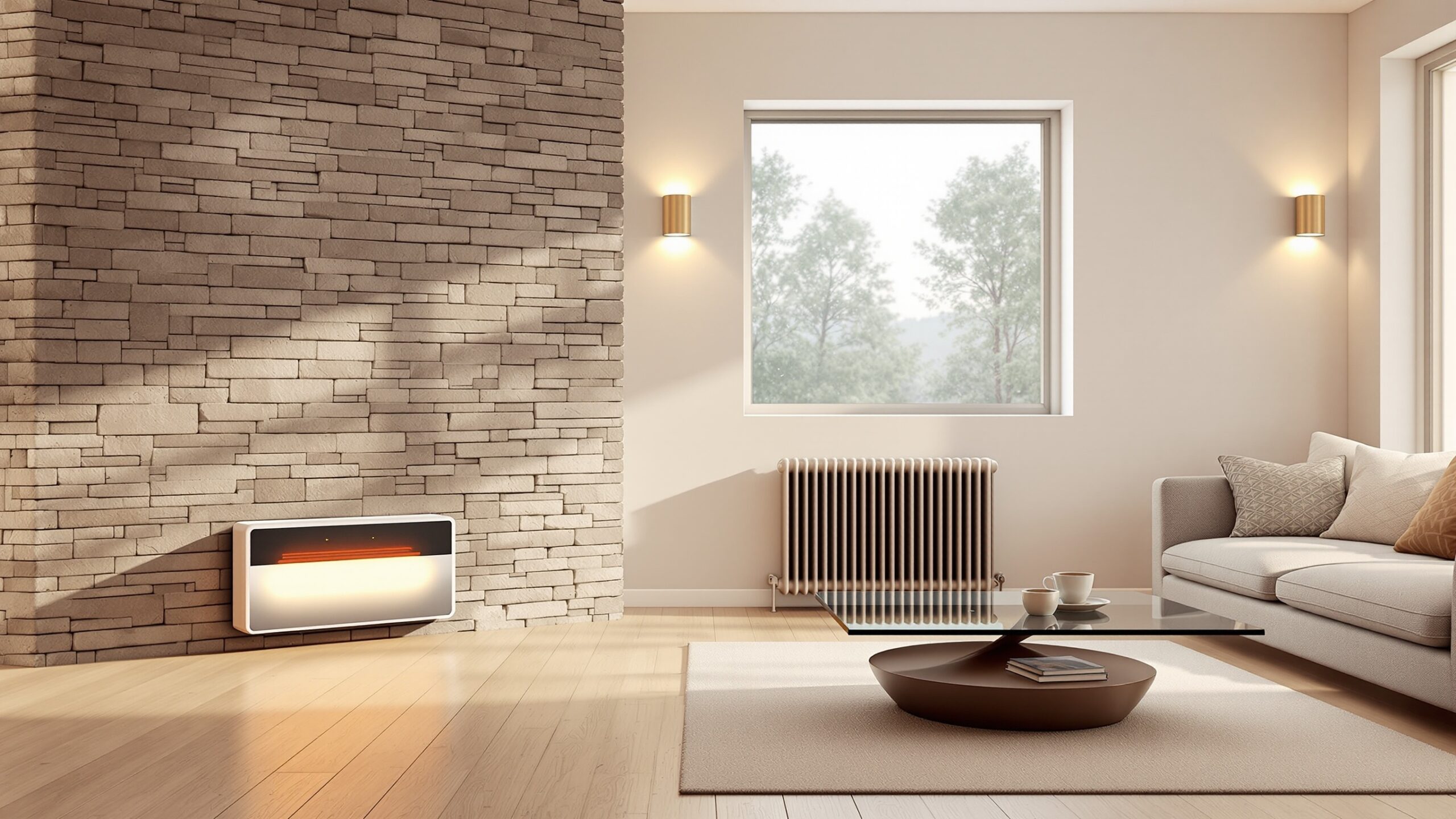
Panel heaters and convection heaters work by warming the air, which then circulates throughout the room. While not as instantly efficient as infrared heaters, they can be effective in well-insulated spaces.
These heaters are best suited for:
- Bedrooms
- Medium-sized enclosed rooms
- Quiet, continuous heating
However, because warm air rises and can escape easily, they may lose efficiency in drafty environments.
Still, in the right setting, they provide a comfortable and even heat distribution.
Fan Heaters: Fast but Less Efficient
Fan heaters are often the least energy-efficient option in practice, despite their quick heat output. They work by blowing air over a heated coil, delivering immediate warmth. However, this heat dissipates quickly once the unit is turned off.
As a result:
- They require continuous operation
- They use more energy over time
- They are best for short-term use
While inexpensive upfront, fan heaters tend to have higher running costs compared to ceramic or infrared models.
They are best used sparingly—for example, to quickly warm a bathroom before use.
Choosing the Right Heater for Your Space
The most energy-efficient heater depends on how and where you plan to use it. There is no one-size-fits-all solution.
For small rooms, ceramic heaters offer excellent efficiency and control. For large or open areas, infrared heaters provide unmatched targeted warmth. For long, steady heating sessions, oil-filled radiators deliver consistent comfort at a lower overall cost.
Matching the heater to your environment is essential. A powerful heater in a small room wastes energy, while an underpowered unit in a large space will run constantly, increasing costs.
Key Features That Improve Efficiency
Modern space heaters come equipped with features designed to optimize energy use. Choosing a model with the right features can significantly impact your electricity bill.
Look for heaters with:
- Adjustable thermostats that maintain consistent temperatures
- Eco modes that reduce power consumption
- Timers that limit unnecessary operation
- Multiple wattage settings for better control
Thermostatic controls are especially important because they prevent the heater from running continuously once the desired temperature is reached.
Wattage and Energy Consumption Explained
Understanding wattage is crucial when evaluating energy efficiency. Most space heaters operate between 500 and 1,500 watts.
Higher wattage means more heat—but also higher energy consumption. The key is to use the lowest wattage necessary to maintain comfort.
For example:
- A 1,500-watt heater running continuously uses significantly more energy than a 750-watt heater cycling on and off
- Lower-wattage models can be more cost-effective in smaller spaces
Ultimately, energy savings come from reducing runtime, not just wattage.
How to Use Space Heaters Efficiently
Even the most efficient heater can become expensive if used incorrectly. Smart usage is just as important as choosing the right model.
To maximize efficiency:
- Use heaters only in occupied rooms
- Close doors to trap heat
- Seal drafts around windows and doors
- Lower your central thermostat while using a space heater
Infrared heaters, in particular, benefit from strategic placement. Positioning them near seating areas ensures that heat is directed where it’s needed most.
Safety and Efficiency Go Hand in Hand
Energy efficiency should never come at the expense of safety. Fortunately, modern space heaters are designed with both in mind.
The most efficient models often include:
- Tip-over protection
- Overheat shut-off
- Cool-touch exteriors
Ceramic and oil-filled heaters are generally considered among the safest options due to their design and lower surface temperatures.
Safe operation not only protects your home but also ensures the heater performs efficiently without interruptions.
Cost vs. Long-Term Savings
When choosing an energy-efficient space heater, it’s important to consider both upfront cost and long-term savings.
- Ceramic heaters offer excellent value and moderate upfront pricing
- Infrared heaters may cost more initially but can reduce energy bills significantly
- Oil-filled radiators provide long-term savings through heat retention
Investing in a slightly more expensive, energy-efficient model can pay off quickly through lower monthly electricity costs.
The Future of Energy-Efficient Heating
Advancements in heating technology continue to improve efficiency, convenience, and sustainability. Smart heaters with Wi-Fi connectivity, programmable schedules, and adaptive heating modes are becoming increasingly popular.
These innovations allow users to:
- Control heating remotely
- Optimize energy use based on daily routines
- Reduce unnecessary power consumption
As energy costs continue to rise, these features will play a major role in managing household expenses.
Choosing Smart, Saving More
The most energy-efficient space heater is not simply the one with the lowest wattage—it’s the one that delivers heat effectively while minimizing total energy use.
Infrared heaters excel at targeted efficiency, ceramic heaters provide balanced performance, and oil-filled radiators offer long-lasting warmth. Each has its strengths, and the best choice depends on your specific needs.
By combining the right heater with smart usage habits, you can stay warm all winter long—without watching your electricity bill climb.
indoors.
Excess humidity can create the perfect environment for mold, mildew, and dust mites. According to testing standards, maintaining humidity below 50% is key to preventing these issues and improving overall comfort.
Modern dehumidifiers not only remove moisture but also enhance air quality, protect furniture, and even help laundry dry faster. Many newer models now include smart sensors, app controls, and energy-saving modes, making them easier than ever to integrate into daily life.
Best Overall Dehumidifier of 2026
The standout performer this year is the Midea Cube 50-Pint Dehumidifier. This model consistently ranks at the top thanks to its combination of power, efficiency, and thoughtful design. It removes moisture faster than most competitors, features a large tank capacity, and delivers excellent energy efficiency. What makes it particularly unique is its modular design. The “lift-and-twist” cube structure allows it to expand for high-capacity operation or collapse for compact storage. It also includes a built-in pump for continuous drainage, making it ideal for long-term use in basements or large spaces. For homeowners who want a single solution that works across multiple environments, this is arguably the best all-around choice in 2026.
Best Dehumidifiers for Large Spaces
Large rooms, open floor plans, and basements require high-capacity machines capable of removing 50 pints or more of moisture per day. One of the most effective options is the Frigidaire 50-Pint Dehumidifier, known for its rapid moisture removal. In testing, it reduced humidity levels dramatically in large rooms within minutes, outperforming many competitors in speed.
Another strong contender is the GoveeLife Smart 50-Pint Dehumidifier, which adds smart home integration and remote control features, making it ideal for tech-savvy users. For even larger coverage, models like the Midea Cube can handle spaces up to 4,500 square feet, making them perfect for expansive basements or multi-room areas.
Large-capacity units are essential when dealing with persistent dampness, especially in environments prone to flooding or high humidity levels.
Best Dehumidifiers for Medium Rooms
Medium-sized rooms such as living rooms, apartments, and home offices typically benefit from dehumidifiers in the 30–40 pint range.
The Honeywell 30-Pint Smart Dehumidifier stands out in this category for its balance of performance and usability. It maintains consistent humidity levels while offering smart connectivity and intuitive controls.
The Frigidaire 35-Pint Dehumidifier is another excellent option, particularly praised for its efficiency and ease of use. It can quickly bring humidity down from uncomfortable levels to a balanced range, making it ideal for everyday living spaces.
These mid-capacity models are often quieter and more energy-efficient than larger units, making them a practical choice for frequently occupied rooms.
Best Dehumidifiers for Small Spaces
Small rooms such as bedrooms, bathrooms, closets, and laundry areas require compact, quiet solutions. The Eva-Dry Renewable Mini Dehumidifier is one of the best portable options for tight spaces. It’s affordable, compact, and doesn’t require a power cord during operation, making it ideal for closets or small storage areas.
For slightly larger small rooms, compact compressor units like the Frigidaire 22-Pint Dehumidifier offer more power while maintaining a small footprint. Mini dehumidifiers are particularly useful in areas where space is limited or where noise needs to be kept to a minimum, such as bedrooms or nurseries.
Best Dehumidifiers for Basements and Damp Areas
Basements are one of the most challenging environments for humidity control. They tend to be cooler, darker, and more prone to moisture intrusion.
High-capacity units like the Midea Cube or Vellgoo 52-Pint Dehumidifier excel in these conditions, offering continuous drainage options and powerful extraction rates.
Experts recommend sizing up rather than down when choosing a basement dehumidifier, as wetter environments require more powerful machines to maintain effective humidity control.
Many modern units also include built-in pumps, allowing water to be drained upward into sinks or out of windows—an essential feature for below-ground spaces.
Understanding Dehumidifier Types
There are two main types of dehumidifiers in 2026: compressor and desiccant models.
Compressor dehumidifiers are the most common. They work by cooling air to remove moisture and are highly efficient in warm environments. These are ideal for most homes, especially during summer.
Desiccant dehumidifiers, on the other hand, use moisture-absorbing materials and perform better in cooler environments. They are often quieter and can double as air warmers, making them ideal for winter use or unheated spaces.
Choosing the right type depends largely on your climate and where the unit will be used.
Key Features to Look for in 2026
Modern dehumidifiers are more advanced than ever, and certain features can significantly enhance usability and performance.
Smart connectivity has become increasingly common, allowing users to control humidity levels remotely via smartphone apps or voice assistants. This is especially useful for managing humidity in basements or vacation homes.
Energy efficiency is another critical factor. Today’s top models are designed to remove more moisture using less electricity, helping to reduce energy costs while maintaining comfort.
Noise levels have also improved. Many units now operate in the low 40–50 decibel range, making them suitable for bedrooms and living areas.
Finally, tank capacity and drainage options play a major role in convenience. Larger tanks require less frequent emptying, while continuous drainage systems allow for uninterrupted operation.
Matching Dehumidifier Size to Room Size
Choosing the right capacity is essential for effective performance. Small rooms typically need units that remove 20–30 pints per day. Medium rooms perform best with 30–40 pint models, while large spaces and basements require 50-pint units or higher.
Coverage area is equally important. Many modern dehumidifiers list their maximum square footage, which can range from 1,000 square feet to over 4,500 square feet depending on the model. Selecting a unit that is too small will result in inefficient operation, while an oversized unit may consume unnecessary energy.
Energy Efficiency and Running Costs
Energy efficiency has become a major focus in 2026, with many models earning Energy Star certification.
Efficient dehumidifiers remove more moisture per watt of electricity, reducing long-term operating costs. This is particularly important for units that run continuously, such as those in basements or humid climates.
Some models also include eco modes that automatically adjust operation based on humidity levels, further improving efficiency.
Noise, Design, and Everyday Comfort
While performance is critical, everyday usability also matters. Modern dehumidifiers are designed with quieter operation in mind, making them suitable for bedrooms and shared living spaces. Many units also feature sleek, minimalist designs that blend into modern interiors. Mobility is another important consideration. Most units now include wheels and handles, allowing you to move them easily between rooms.
Choosing the Best Dehumidifier for Your Home
The best dehumidifier of 2026 ultimately depends on your space, climate, and specific needs. For most homeowners, the Midea Cube stands out as the best overall option thanks to its performance, efficiency, and versatility. Large spaces benefit from powerful 50-pint units like Frigidaire or GoveeLife models, while medium and small rooms can rely on more compact, energy-efficient designs.
What’s clear is that today’s dehumidifiers are smarter, quieter, and more effective than ever before. Whether you’re dealing with a damp basement, a humid bedroom, or seasonal moisture issues, the right dehumidifier can transform your indoor environment into a healthier, more comfortable space. Investing in the right model isn’t just about comfort—it’s about protecting your home, your belongings, and your health for years to come.