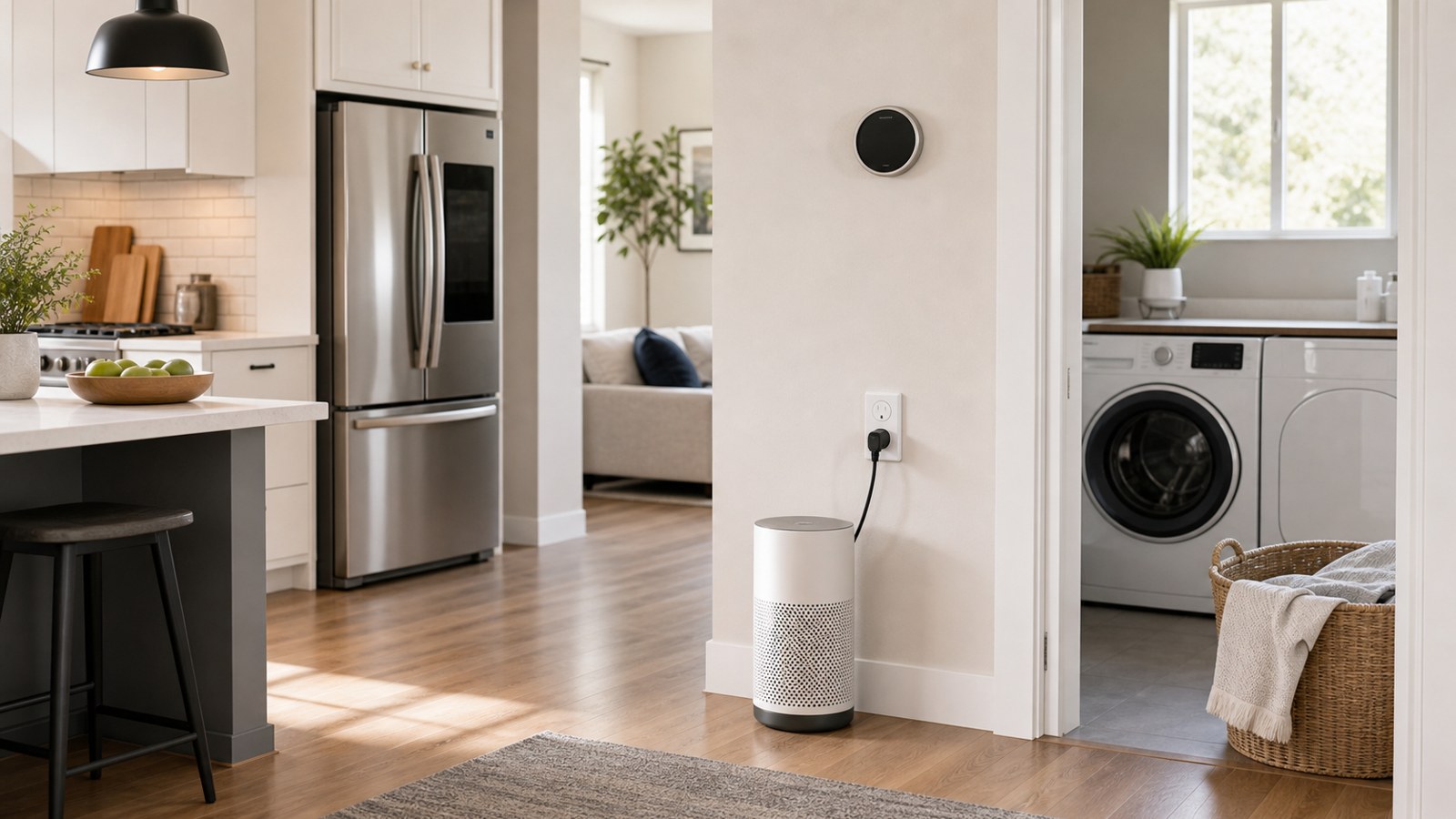
What Smart Energy Management Systems Should Solve First
Smart Energy Management Systems Explained for Homeowners deserves a practical reading because the best appliance choice is rarely the flashiest one. Homeowners need to connect the promise of smart energy management systems with the room, the routine, the maintenance, and the cost that will show up after purchase. This guide looks at appliance fit, ownership habits, safety signals, and buying tradeoffs so the decision feels clear before money, space, or installation time is committed.
A: Begin with capacity and the way the appliance will behave in busy rooms.
A: Ownership gets harder when overspending, poor access, or unclear maintenance shows up after purchase.
A: Placement is easy to miss because it often matters only after the appliance is installed or used repeatedly.
A: Compare the features that affect daily use first, then decide whether premium settings add real value.
A: Pause when placement, power, cleaning, drainage, venting, or service access is still uncertain.
A: Regular cleaning, correct setup, reachable parts, and replacement supplies keep performance steadier.
A: Placement affects noise, safety, airflow, cleaning access, and whether the appliance is convenient enough to use.
A: Separate them by maintenance burden, comfort, safety, operating cost, and how clearly the controls fit the household.
A: Picture the appliance during a busy week and choose the model that creates the least extra work.
A: Households with repeated chores, tight spaces, comfort problems, or high utility costs usually see the clearest benefit.
Match Smart Energy Management Systems To The Actual Room
Smart Energy Management Systems works best when capacity is judged against the real room, routine, or utility area where the appliance will work. A feature earns its place only when it solves a repeated problem without creating a new one. In practice, that means asking how using changes the household's time, comfort, safety, and follow-through. When overspending is likely, the better choice is the one that makes the warning easy to notice and easy to correct before it becomes expensive. That extra look also keeps the purchase tied to a lived routine instead of a feature list that may not matter.
Smart Energy Management Systems works best when placement is judged against the real room, routine, or utility area where the appliance will work. A careful buyer looks past the headline number and asks what daily ownership will demand. In practice, that means asking how cleaning changes the household's time, comfort, safety, and follow-through. When skipped maintenance is likely, the better choice is the one that makes the warning easy to notice and easy to correct before it becomes expensive. That extra look also keeps the purchase tied to a lived routine instead of a feature list that may not matter.
Smart Energy Management Systems owners should not treat placement as a small detail just because it appears late in a product description. In this decision, appliance fit depends on how several small ownership details behave together: access, cleaning, noise, storage, and support. A model that looks less dramatic can be the stronger pick if it keeps skipped maintenance from becoming part of the weekly routine.
Read Smart Energy Management Systems Specs Through Daily Use
Smart Energy Management Systems works best when cleaning access is judged against the real room, routine, or utility area where the appliance will work. A careful buyer looks past the headline number and asks what daily ownership will demand. In practice, that means asking how cleaning changes the household's time, comfort, safety, and follow-through. When noisy operation is likely, the better choice is the one that makes the warning easy to notice and easy to correct before it becomes expensive. That extra look also keeps the purchase tied to a lived routine instead of a feature list that may not matter.
Smart Energy Management Systems owners should not treat cleaning access as a small detail just because it appears late in a product description. In this decision, appliance fit depends on how several small ownership details behave together: access, cleaning, noise, storage, and support. A model that looks less dramatic can be the stronger pick if it keeps noisy operation from becoming part of the weekly routine.
Smart Energy Management Systems works best when noise is judged against the real room, routine, or utility area where the appliance will work. The final choice should still make sense on a rushed weekday, not only while reading reviews. In practice, that means asking how placing changes the household's time, comfort, safety, and follow-through. When overspending is likely, the better choice is the one that makes the warning easy to notice and easy to correct before it becomes expensive. That extra look also keeps the purchase tied to a lived routine instead of a feature list that may not matter.
Smart Energy Management Systems works best when controls is judged against the real room, routine, or utility area where the appliance will work. The smartest reading of this topic starts with the household situation, not the product label. In practice, that means asking how servicing changes the household's time, comfort, safety, and follow-through. When skipped maintenance is likely, the better choice is the one that makes the warning easy to notice and easy to correct before it becomes expensive. That extra look also keeps the purchase tied to a lived routine instead of a feature list that may not matter.
Watch Smart Energy Management Systems Ownership Chores
Smart Energy Management Systems works best when energy use is judged against the real room, routine, or utility area where the appliance will work. The final choice should still make sense on a rushed weekday, not only while reading reviews. In practice, that means asking how placing changes the household's time, comfort, safety, and follow-through. When skipped maintenance is likely, the better choice is the one that makes the warning easy to notice and easy to correct before it becomes expensive. That extra look also keeps the purchase tied to a lived routine instead of a feature list that may not matter.
Compare Smart Energy Management Systems Cost With The Work It Saves
Smart Energy Management Systems works best when service path is judged against the real room, routine, or utility area where the appliance will work. The smartest reading of this topic starts with the household situation, not the product label. In practice, that means asking how servicing changes the household's time, comfort, safety, and follow-through. When unused features is likely, the better choice is the one that makes the warning easy to notice and easy to correct before it becomes expensive. That extra look also keeps the purchase tied to a lived routine instead of a feature list that may not matter.
Smart Energy Management Systems works best when safety feature is judged against the real room, routine, or utility area where the appliance will work. A good shortlist should remove friction from the week instead of adding another ritual to manage. In practice, that means asking how comparing changes the household's time, comfort, safety, and follow-through. When awkward setup is likely, the better choice is the one that makes the warning easy to notice and easy to correct before it becomes expensive. That extra look also keeps the purchase tied to a lived routine instead of a feature list that may not matter.
Smart Energy Management Systems owners should not treat safety feature as a small detail just because it appears late in a product description. In this decision, appliance fit depends on how several small ownership details behave together: access, cleaning, noise, storage, and support. A model that looks less dramatic can be the stronger pick if it keeps awkward setup from becoming part of the weekly routine.
Keep Smart Energy Management Systems Safety And Placement Visible
Smart Energy Management Systems works best when replacement cost is judged against the real room, routine, or utility area where the appliance will work. A good shortlist should remove friction from the week instead of adding another ritual to manage. In practice, that means asking how comparing changes the household's time, comfort, safety, and follow-through. When skipped maintenance is likely, the better choice is the one that makes the warning easy to notice and easy to correct before it becomes expensive. That extra look also keeps the purchase tied to a lived routine instead of a feature list that may not matter.
Smart Energy Management Systems owners should not treat replacement cost as a small detail just because it appears late in a product description. In this decision, appliance fit depends on how several small ownership details behave together: access, cleaning, noise, storage, and support. A model that looks less dramatic can be the stronger pick if it keeps skipped maintenance from becoming part of the weekly routine.
Smart Energy Management Systems works best when daily reach is judged against the real room, routine, or utility area where the appliance will work. The most useful comparison happens when the appliance is judged in the place it will actually sit. In practice, that means asking how using changes the household's time, comfort, safety, and follow-through. When unused features is likely, the better choice is the one that makes the warning easy to notice and easy to correct before it becomes expensive. That extra look also keeps the purchase tied to a lived routine instead of a feature list that may not matter.
Smart Energy Management Systems works best when capacity is judged against the real room, routine, or utility area where the appliance will work. A spec sheet can narrow the field, but the room decides whether the choice will feel right. In practice, that means asking how cleaning changes the household's time, comfort, safety, and follow-through. When awkward setup is likely, the better choice is the one that makes the warning easy to notice and easy to correct before it becomes expensive. That extra look also keeps the purchase tied to a lived routine instead of a feature list that may not matter.
Choose Smart Energy Management Systems Features That Reduce Friction
Smart Energy Management Systems works best when placement is judged against the real room, routine, or utility area where the appliance will work. The most useful comparison happens when the appliance is judged in the place it will actually sit. In practice, that means asking how using changes the household's time, comfort, safety, and follow-through. When awkward setup is likely, the better choice is the one that makes the warning easy to notice and easy to correct before it becomes expensive. That extra look also keeps the purchase tied to a lived routine instead of a feature list that may not matter.
Smart Energy Management Systems works best when noise is judged against the real room, routine, or utility area where the appliance will work. A spec sheet can narrow the field, but the room decides whether the choice will feel right. In practice, that means asking how cleaning changes the household's time, comfort, safety, and follow-through. When unused features is likely, the better choice is the one that makes the warning easy to notice and easy to correct before it becomes expensive. That extra look also keeps the purchase tied to a lived routine instead of a feature list that may not matter.
Know When Simpler Smart Energy Management Systems Options Win
Smart Energy Management Systems works best when controls is judged against the real room, routine, or utility area where the appliance will work. A spec sheet can narrow the field, but the room decides whether the choice will feel right. In practice, that means asking how cleaning changes the household's time, comfort, safety, and follow-through. When overspending is likely, the better choice is the one that makes the warning easy to notice and easy to correct before it becomes expensive. That extra look also keeps the purchase tied to a lived routine instead of a feature list that may not matter.
Bottom Line On Smart Energy Management Systems
Smart Energy Management Systems works best when energy use is judged against the real room, routine, or utility area where the appliance will work. The better option is usually the one that makes ordinary care visible before performance slips. In practice, that means asking how placing changes the household's time, comfort, safety, and follow-through. When skipped maintenance is likely, the better choice is the one that makes the warning easy to notice and easy to correct before it becomes expensive. That extra look also keeps the purchase tied to a lived routine instead of a feature list that may not matter.
Smart Energy Management Systems owners should not treat energy use as a small detail just because it appears late in a product description. In this decision, appliance fit depends on how several small ownership details behave together: access, cleaning, noise, storage, and support. A model that looks less dramatic can be the stronger pick if it keeps skipped maintenance from becoming part of the weekly routine.
Smart Energy Management Systems works best when service path is judged against the real room, routine, or utility area where the appliance will work. A homeowner gets better results by comparing habits, space, and maintenance before chasing extras. In practice, that means asking how servicing changes the household's time, comfort, safety, and follow-through. When unused features is likely, the better choice is the one that makes the warning easy to notice and easy to correct before it becomes expensive. That extra look also keeps the purchase tied to a lived routine instead of a feature list that may not matter.