Choosing the right air conditioning solution can completely transform how your home feels during hot months. Whether you’re dealing with a compact apartment, a sprawling living room, or a temporary cooling need, the decision between a portable air conditioner and a window unit is more important than it might first appear. Both options promise relief from rising temperatures, but they deliver that comfort in very different ways. Understanding how each works, where it excels, and where it falls short is the key to making a smart, long-term choice. This guide explores everything you need to know about portable AC vs window AC units, helping you determine which is better suited to your space, lifestyle, and cooling expectations.
A: Portable ACs are better for flexibility, but window ACs usually cool more efficiently.
A: A window AC is often cheaper to run because it typically uses energy more efficiently.
A: Usually yes; they need somewhere to vent hot air outside.
A: They require lifting, securing, and sealing, but many models are manageable with help.
A: Portable ACs are often better for renters because they are less permanent.
A: Window ACs are often quieter indoors, especially inverter models.
A: Yes, but choose the right BTU rating and consider a dual-hose model for better performance.
A: Not when installed properly, but poor support or sealing can cause problems.
A: Window ACs save floor space, while portable ACs take up room indoors.
A: A quiet inverter window AC is usually best, but a portable AC works well when window installation is not allowed.
Understanding the Basics of Portable and Window AC Units
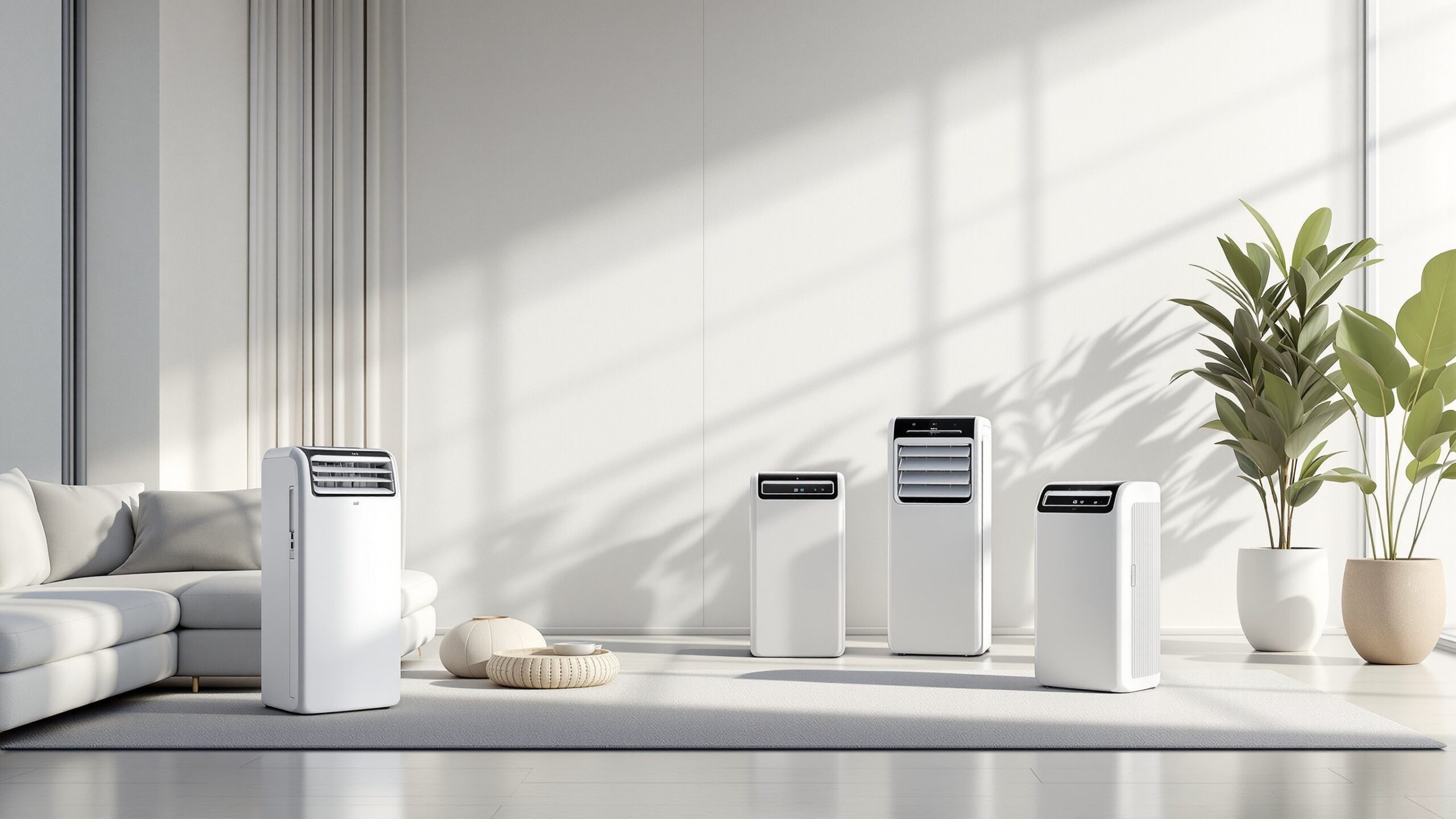
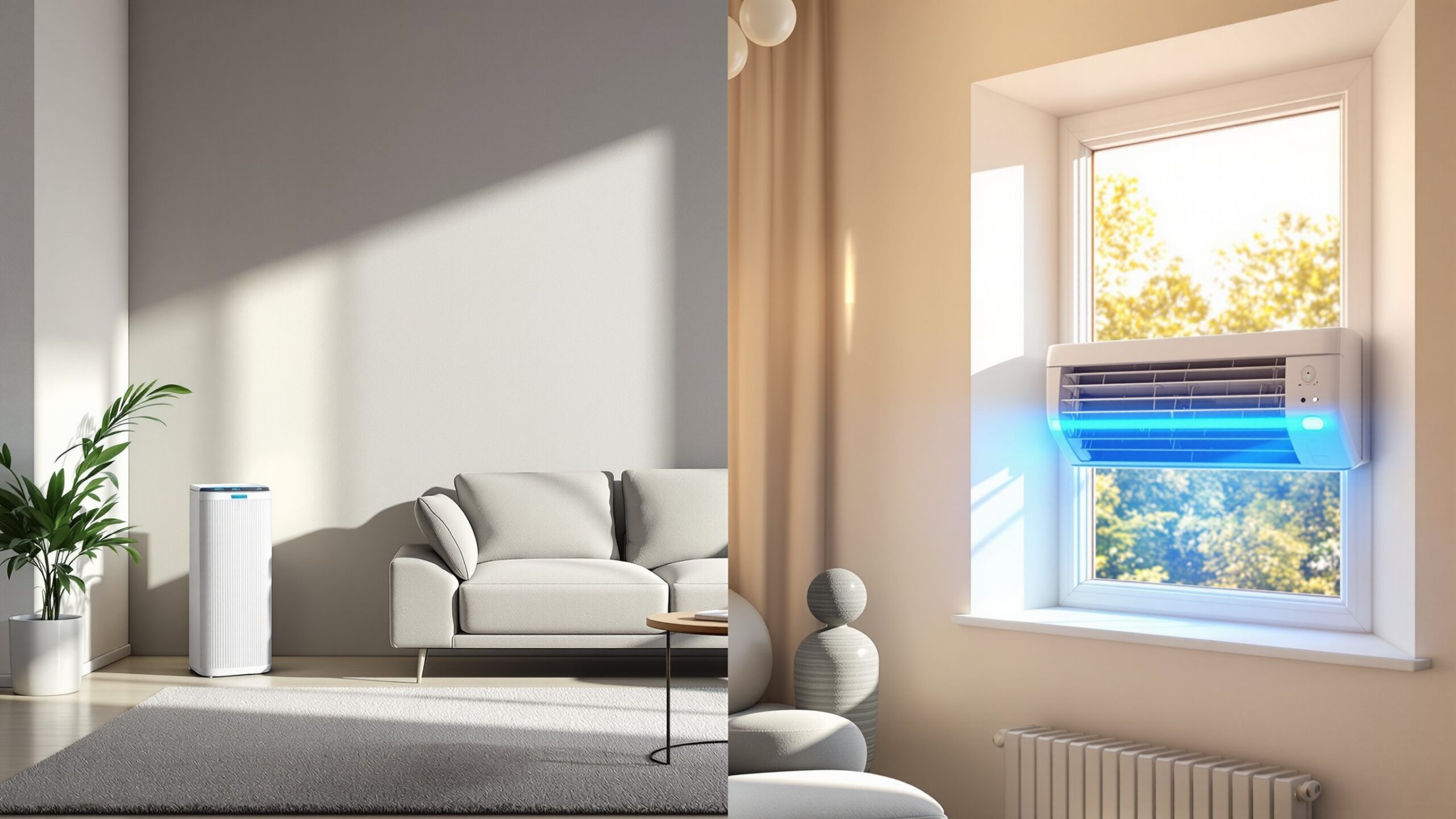
Portable air conditioners are self-contained cooling systems designed to sit inside your room. They typically stand upright on the floor and use a hose to vent hot air through a nearby window. Their biggest advantage lies in their flexibility—you can move them from room to room as needed, making them ideal for people who want temporary or mobile cooling.
Window air conditioners, on the other hand, are installed directly into a window frame. They pull warm air from inside, cool it, and expel heat outdoors—all within a single compact unit. Once installed, they remain fixed in place, delivering consistent cooling to the room they serve.
At a glance, the difference is mobility versus permanence. But the real comparison goes far deeper, touching on performance, efficiency, cost, noise, and overall convenience.
Cooling Performance: Which One Works Better?
When it comes to raw cooling power, window air conditioners generally have the upper hand. Because they are partially positioned outside, they can expel heat more efficiently. This design allows them to cool rooms faster and maintain lower temperatures with less effort.
Portable air conditioners, while effective, tend to struggle in comparison. The need to vent hot air through a hose can reduce efficiency, especially if the hose isn’t perfectly sealed. Single-hose models can even create negative air pressure, pulling warm air back into the room from other areas of the home.
That said, modern dual-hose portable units have improved significantly, offering better airflow and more consistent cooling. In smaller spaces or rooms that don’t require intense cooling, they can perform quite well. For larger rooms or areas exposed to direct sunlight, window units typically provide stronger and more reliable performance.
Installation and Setup: Convenience vs Commitment
One of the biggest reasons people choose portable AC units is ease of installation. Most models require minimal setup—usually just attaching a hose to a window kit. No heavy lifting, no permanent modifications, and no tools beyond basic assembly.
Window AC units require more effort. Installing one involves lifting the unit into the window frame, securing it properly, and ensuring a tight seal to prevent air leaks. For some people, especially those living alone or in upper-floor apartments, this can be a challenging process.
However, once a window unit is installed, it stays in place and requires little ongoing adjustment. Portable units, while easy to set up, may need to be repositioned or reinstalled if moved to a different room. If convenience and flexibility are your priorities, portable AC wins. If you prefer a one-time setup for long-term use, a window unit may be the better choice.
Energy Efficiency and Operating Costs
Energy efficiency plays a major role in determining which air conditioner is better for your space. Window AC units are generally more energy-efficient than portable models. Their design allows them to cool rooms using less electricity, which can lead to lower monthly energy bills.
Portable air conditioners often consume more power to achieve the same level of cooling. This is partly due to heat leakage from the exhaust hose and the need to work harder to maintain consistent temperatures. Energy Efficiency Ratio (EER) ratings can help you compare models, but as a general rule, window units tend to deliver better cooling per watt.
If you plan to run your air conditioner frequently or for long periods, choosing a window AC could save you money over time.
Noise Levels: Quiet Comfort or Background Hum?
Noise is another important factor, especially for bedrooms, offices, or shared living spaces. Window air conditioners tend to be quieter inside the room because the compressor and fan are partially located outside. Portable air conditioners house all their components inside the room, which often results in higher noise levels. While newer models have improved sound insulation, they can still produce a noticeable hum or whirring sound. For light sleepers or those sensitive to noise, a window AC unit is usually the quieter and more comfortable option.
Space and Aesthetics: How Each Unit Fits Your Room
Portable AC units take up floor space, which can be a drawback in smaller rooms. The presence of a large appliance and a visible hose can also impact the overall look of your space.
Window AC units, while visible from both inside and outside, don’t occupy any floor space. This can make them a more practical choice for compact living areas where every square foot matters.
However, window units can block natural light and limit your ability to open the window. Portable units, despite their bulk, allow for more flexibility in how your window is used.
Choosing between the two often comes down to whether you value floor space or window access more.
Portability and Flexibility: A Clear Advantage
This is where portable air conditioners truly shine. The ability to move the unit from one room to another makes them incredibly versatile. You can cool your bedroom at night and your living room during the day without needing multiple units.
Window AC units are fixed in place. If you want to cool multiple rooms, you’ll need separate units for each space, which increases both cost and installation effort. For renters, students, or anyone who moves frequently, portability can be a major advantage.
Maintenance and Upkeep
Both types of air conditioners require regular maintenance, but the tasks differ slightly.
Portable AC units often require more frequent attention. Many models collect condensation in a tank that needs to be emptied regularly, although some have self-evaporating systems. Filters must also be cleaned to maintain airflow and efficiency.
Window AC units typically drain condensation automatically to the outside. They still require filter cleaning, but overall maintenance is often simpler and less hands-on. In terms of long-term upkeep, window units tend to be less demanding.
Cost Considerations: Upfront vs Long-Term Value
Portable air conditioners often have a higher upfront cost compared to window units with similar cooling capacity. This can be surprising given their perceived convenience.
Window AC units are usually more affordable and offer better value for their performance. Additionally, their higher energy efficiency can lead to lower operating costs over time.
However, the cost equation changes if you need to cool multiple rooms. Buying several window units can quickly become more expensive than using a single portable unit in different spaces.
Your budget, along with how you plan to use the unit, will ultimately determine which option makes more financial sense.
Best Use Cases for Portable AC Units
Portable air conditioners are ideal for situations where flexibility and ease of use are essential. They work well in rental properties where permanent installation isn’t allowed. They’re also great for temporary cooling needs, such as during a heatwave or in a home office that doesn’t require constant cooling.
They’re particularly useful in rooms with non-standard windows that can’t accommodate a traditional window unit. In these cases, a portable AC may be the only viable option.
Best Use Cases for Window AC Units
Window air conditioners are best suited for homeowners or long-term renters who want efficient, reliable cooling for a specific room. They’re perfect for bedrooms, living rooms, and other spaces where consistent temperature control is important. They also make sense for people who prioritize energy efficiency and lower noise levels. Once installed, they provide dependable performance with minimal effort.
Environmental Impact and Sustainability
As energy efficiency becomes increasingly important, the environmental impact of your cooling choice is worth considering. Window AC units, due to their efficiency, typically have a smaller carbon footprint compared to portable models. Additionally, many modern window units are designed with eco-friendly refrigerants and energy-saving features such as programmable timers and smart thermostats. Portable units are improving in this area, but they still tend to lag behind in overall efficiency.
Which Is Better for Your Space?
There’s no one-size-fits-all answer to the portable AC vs window AC debate. The better option depends entirely on your specific needs, living situation, and priorities.
If you value mobility, easy setup, and flexibility, a portable air conditioner is likely the right choice. It offers convenience and adaptability, making it ideal for dynamic living arrangements.
If you prioritize cooling power, energy efficiency, and long-term performance, a window air conditioner is the stronger contender. It delivers consistent, cost-effective cooling and is better suited for dedicated spaces.
Ultimately, the best air conditioner is the one that aligns with how you live. By understanding the strengths and limitations of each option, you can make a confident decision and create a cooler, more comfortable environment tailored to your space.