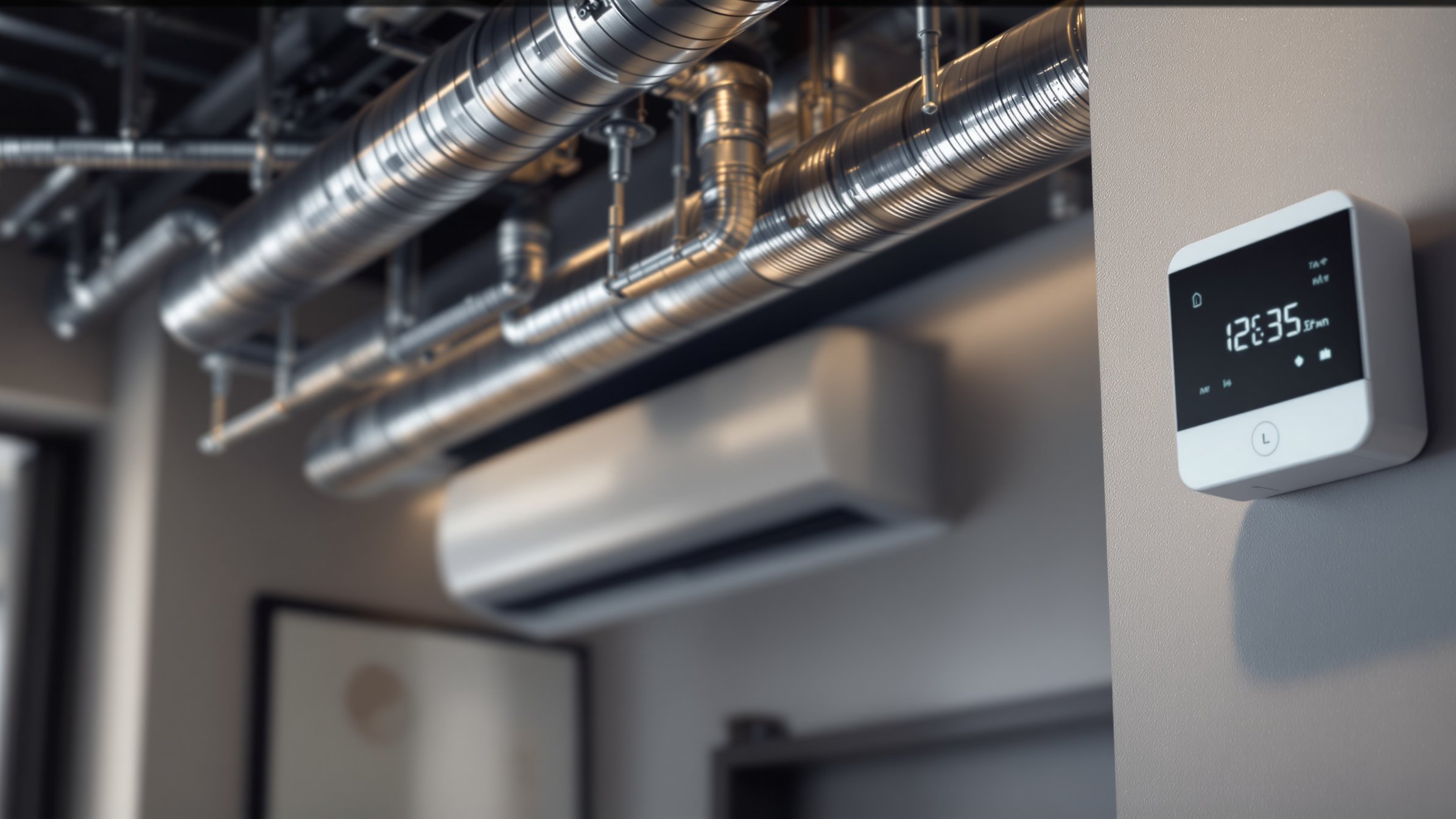
Choosing the right whole-home HVAC system is one of the most important decisions you can make for your home. It shapes your comfort, energy costs, air quality, and even your property value for years to come. Yet for many homeowners, the process feels overwhelming. Between technical specifications, system types, efficiency ratings, and installation variables, it’s easy to feel lost before you even begin. This guide simplifies everything. Step by step, you’ll learn how to evaluate your home, understand your options, and confidently choose an HVAC system that delivers comfort, efficiency, and long-term value.
A: Start with a professional load calculation so the system is sized for your home, not just guessed by square footage.
A: It depends on your climate, energy prices, existing fuel service, comfort goals, and whether dual-fuel heating makes sense.
A: No. Oversized systems can short-cycle, reduce humidity control, waste energy, and wear down faster.
A: Very important. Bad ductwork can reduce comfort, airflow, efficiency, and system life.
A: Look at SEER2 for cooling, HSPF2 for heat pumps, and AFUE for furnaces.
A: Often yes if you want quieter operation, steadier temperatures, better humidity control, and higher comfort.
A: Zoning can help if your home has hot and cold spots, multiple floors, large additions, or rooms used at different times.
A: Consider better filtration, humidity control, ventilation, and duct sealing before adding unnecessary accessories.
A: Many systems last around 12–20 years depending on equipment type, installation quality, usage, climate, and maintenance.
A: Ask about load calculations, duct inspection, equipment matchups, warranties, rebates, maintenance, and commissioning steps.
Understanding What a Whole-Home HVAC System Really Does
At its core, an HVAC system is responsible for heating, ventilation, and air conditioning. But modern systems go far beyond simply warming or cooling your space. They regulate humidity, filter airborne particles, circulate fresh air, and maintain consistent indoor temperatures throughout your entire home.
A well-chosen system works quietly in the background, adapting to seasonal changes and daily living patterns. It ensures that every room feels balanced—not too hot, not too cold—and that your indoor air remains clean and healthy. This is why selecting the right system is not just about comfort. It’s about creating a controlled indoor environment tailored to your lifestyle.
Step 1: Evaluate Your Home’s Unique Needs
Every home is different, and no HVAC system should be chosen without first understanding the structure it will serve. Factors like square footage, ceiling height, insulation quality, and window placement all influence how heating and cooling should be delivered.
Older homes often have different requirements than newer builds. Drafty windows, thinner insulation, and outdated ductwork can significantly impact system performance. Meanwhile, modern homes with tight construction may require systems that prioritize ventilation and humidity control.
Climate plays a major role as well. A system that works efficiently in a mild coastal region may struggle in areas with extreme heat or cold. Understanding your local weather patterns helps determine whether you need stronger cooling capacity, more powerful heating, or a balanced system that handles both equally well.
Step 2: Learn the Main Types of Whole-Home HVAC Systems
Before you can choose the right system, you need to understand the primary options available. Each type offers distinct advantages depending on your home and climate.
Central air conditioning systems paired with furnaces are among the most common solutions. These systems use ductwork to distribute cooled or heated air throughout the home. They are reliable, widely available, and ideal for homes that already have duct infrastructure in place.
Heat pump systems have gained popularity due to their efficiency and versatility. Instead of generating heat, they transfer it, making them highly energy-efficient in moderate climates. They provide both heating and cooling in a single system, simplifying installation and maintenance.
Ductless mini-split systems are an excellent option for homes without ductwork or for targeted temperature control in specific areas. They offer flexibility and energy savings but may require multiple indoor units for full-home coverage.
Hybrid systems combine a heat pump with a traditional furnace, automatically switching between the two depending on outdoor temperatures. This approach maximizes efficiency while ensuring reliable performance during extreme weather.
Geothermal systems take efficiency to another level by using the stable temperature of the earth to heat and cool your home. While the upfront cost is higher, the long-term energy savings and environmental benefits can be substantial.
Step 3: Determine the Right System Size
One of the most critical—and often misunderstood—steps in choosing an HVAC system is sizing. Bigger is not better. In fact, an oversized system can lead to short cycling, uneven temperatures, and higher energy bills. An undersized system, on the other hand, will struggle to maintain comfort. Proper sizing requires a detailed load calculation, often referred to as a Manual J calculation. This process considers factors such as your home’s dimensions, insulation, window types, and orientation to determine the exact heating and cooling capacity needed. Skipping this step or relying on rough estimates can result in a system that never performs as intended. Accurate sizing ensures efficiency, comfort, and longevity.
Step 4: Understand Energy Efficiency Ratings
Energy efficiency is one of the most important considerations when selecting an HVAC system. Higher efficiency systems may cost more upfront, but they typically deliver lower operating costs over time.
For cooling systems, efficiency is measured by the Seasonal Energy Efficiency Ratio (SEER). The higher the SEER rating, the more efficiently the system operates. Heating efficiency is often measured by the Annual Fuel Utilization Efficiency (AFUE) for furnaces or the Heating Seasonal Performance Factor (HSPF) for heat pumps.
Choosing a high-efficiency system can significantly reduce your monthly energy bills, especially in regions with extreme temperatures. It can also make your home more environmentally friendly by reducing overall energy consumption.
Step 5: Consider Ductwork and Air Distribution
Ductwork plays a vital role in the performance of many HVAC systems. Even the most advanced equipment cannot deliver optimal results if the ducts are poorly designed or leaking.
If your home already has ductwork, it should be inspected for leaks, blockages, and insulation quality. Sealing and upgrading ducts can dramatically improve efficiency and comfort.
In homes without existing ducts, installing them can be expensive and invasive. In such cases, ductless systems may offer a more practical solution. These systems eliminate the need for ducts altogether while still providing effective whole-home comfort when properly designed.
Air distribution also affects how evenly temperatures are maintained. Proper placement of vents and returns ensures balanced airflow, preventing hot and cold spots throughout the home.
Step 6: Think About Indoor Air Quality
Modern HVAC systems do more than control temperature—they play a key role in maintaining indoor air quality. This is especially important for households with allergies, pets, or respiratory concerns. Advanced filtration systems can capture dust, pollen, and other airborne particles. Some systems also include air purifiers or UV lights that help reduce bacteria and mold.
Humidity control is another important factor. Excess humidity can make your home feel warmer and promote mold growth, while low humidity can cause dryness and discomfort. Many HVAC systems now include built-in humidity management to maintain a healthy balance.
Choosing a system that addresses air quality can significantly improve your overall living environment.
Step 7: Explore Smart Technology and Controls
Today’s HVAC systems often integrate with smart thermostats and home automation platforms. These technologies allow you to control your system remotely, set schedules, and monitor energy usage.
Smart thermostats can learn your habits and adjust temperatures automatically to maximize comfort and efficiency. They can also provide insights into how your system is performing, helping you identify opportunities for savings.
Zoning systems take this a step further by allowing different areas of your home to be heated or cooled independently. This is particularly useful in larger homes or multi-story layouts where temperature needs vary from room to room.
Investing in smart controls can enhance both convenience and efficiency, making your HVAC system more responsive to your lifestyle.
Step 8: Factor in Installation Quality
Even the best HVAC system will underperform if it is not installed correctly. Installation quality is just as important as the equipment itself. A professional installer will ensure that the system is properly sized, ducts are sealed, airflow is balanced, and all components are calibrated correctly. They will also follow industry standards and local building codes to ensure safety and reliability.
Choosing an experienced and reputable contractor is essential. Look for professionals who conduct thorough evaluations, provide detailed proposals, and are willing to answer your questions. A high-quality installation can extend the life of your system and ensure it operates at peak efficiency from day one.
Step 9: Understand Costs and Long-Term Value
The cost of a whole-home HVAC system can vary widely depending on the type of system, its efficiency, and the complexity of installation. While it may be tempting to choose the lowest upfront cost, it’s important to consider long-term value.
Higher efficiency systems often come with higher initial costs but can deliver significant savings over time through reduced energy bills. Additionally, more advanced systems may require less maintenance and offer longer lifespans.
Rebates, tax incentives, and financing options can also help offset the initial investment. Exploring these opportunities can make high-quality systems more accessible.
When evaluating costs, think beyond the price tag and consider the total cost of ownership over the system’s lifetime.
Step 10: Plan for Maintenance and Longevity
An HVAC system is a long-term investment, and regular maintenance is key to protecting that investment. Routine servicing helps ensure that the system continues to operate efficiently and prevents costly breakdowns. Simple tasks like changing filters, cleaning coils, and checking refrigerant levels can make a significant difference. Professional maintenance visits allow technicians to identify and address potential issues before they become major problems. Most HVAC systems have a lifespan of 10 to 20 years, depending on the type and how well they are maintained. Choosing a system with strong reliability and committing to regular upkeep can maximize its longevity.
Making the Right Choice
Choosing the right whole-home HVAC system is not about finding a one-size-fits-all solution. It’s about understanding your home, your climate, and your priorities, then selecting a system that aligns with those factors.
Start by evaluating your home’s needs and learning about the different system types available. Ensure proper sizing, prioritize energy efficiency, and consider the condition of your ductwork. Think about indoor air quality and the benefits of smart technology. Above all, invest in professional installation and plan for long-term maintenance.
When approached step by step, the process becomes far more manageable. Instead of feeling overwhelmed, you gain clarity and confidence in your decision.
Comfort, Efficiency, and Confidence
A well-chosen HVAC system transforms your home. It creates a space where comfort is effortless, energy use is optimized, and air quality supports your well-being. It operates quietly and reliably, adapting to your needs without constant attention. By taking the time to choose the right system, you’re not just improving your home—you’re investing in your everyday experience. From the heat of summer to the chill of winter, the right HVAC system ensures that your home remains a place of comfort, efficiency, and peace of mind.