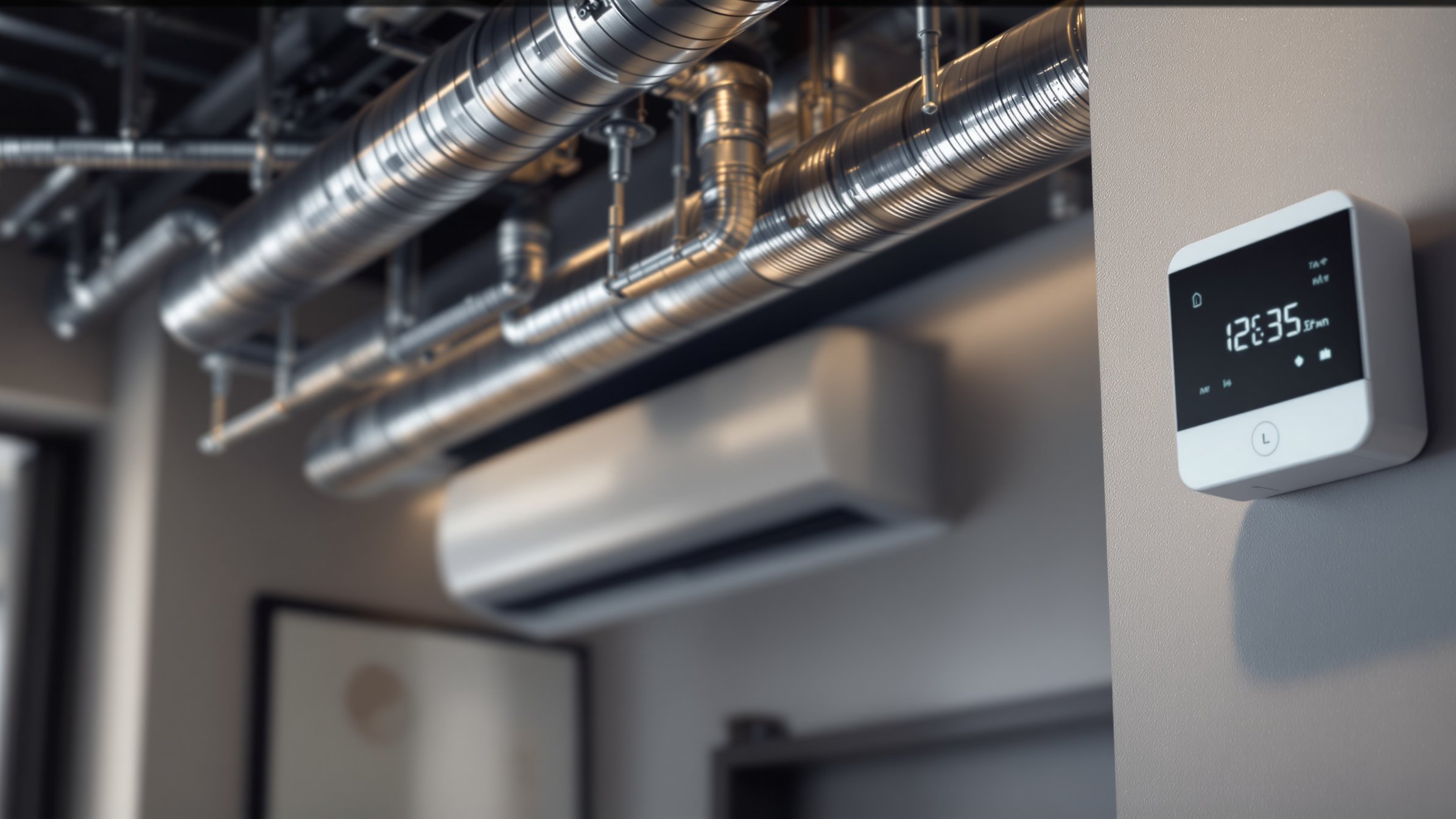
A whole-home HVAC system is one of the most important investments you can make in your home. It determines not only how comfortable your space feels throughout the year, but also how efficiently your home uses energy and how much you’ll spend month after month to maintain that comfort. Whether you’re building a new home, replacing an outdated system, or upgrading to a more energy-efficient solution, understanding the full cost of a whole-home HVAC system is essential. This guide breaks down everything you need to know—from equipment and installation costs to long-term savings and smart decision-making. By the end, you’ll have a clear, confident understanding of what to expect and how to get the best value for your investment.
A: Start with a professional load calculation so the system is sized for your home, not just guessed by square footage.
A: It depends on your climate, energy prices, existing fuel service, comfort goals, and whether dual-fuel heating makes sense.
A: No. Oversized systems can short-cycle, reduce humidity control, waste energy, and wear down faster.
A: Very important. Bad ductwork can reduce comfort, airflow, efficiency, and system life.
A: Look at SEER2 for cooling, HSPF2 for heat pumps, and AFUE for furnaces.
A: Often yes if you want quieter operation, steadier temperatures, better humidity control, and higher comfort.
A: Zoning can help if your home has hot and cold spots, multiple floors, large additions, or rooms used at different times.
A: Consider better filtration, humidity control, ventilation, and duct sealing before adding unnecessary accessories.
A: Many systems last around 12–20 years depending on equipment type, installation quality, usage, climate, and maintenance.
A: Ask about load calculations, duct inspection, equipment matchups, warranties, rebates, maintenance, and commissioning steps.
What Is a Whole-Home HVAC System?
A whole-home HVAC system is designed to heat, cool, and ventilate your entire house through a centralized setup. Unlike portable or room-based systems, it distributes conditioned air evenly across multiple rooms using ductwork, vents, and advanced control systems.
Most whole-home systems include a combination of heating and cooling components, such as a furnace paired with an air conditioner or a heat pump that handles both functions. These systems are engineered to maintain consistent indoor temperatures, improve air quality, and operate efficiently across all seasons. The complexity and scale of these systems are what drive their cost—but also what makes them so effective.
Average Cost of a Whole-Home HVAC System
The cost of installing a whole-home HVAC system varies widely depending on factors such as home size, system type, efficiency level, and installation complexity. On average, homeowners can expect to spend anywhere from $7,000 to $20,000 or more for a complete system.
A basic setup for a smaller home might fall on the lower end of the spectrum, especially if existing ductwork is in good condition. Larger homes or properties requiring new duct installation, high-efficiency units, or advanced zoning systems can push costs significantly higher.
It’s important to think of this as a long-term investment rather than a one-time expense. Higher upfront costs often translate into better energy efficiency, lower utility bills, and fewer maintenance issues over time.
Breaking Down HVAC System Costs
Equipment Costs
The HVAC unit itself is one of the biggest components of the total price. Furnaces typically range from $2,500 to $7,500, depending on efficiency and fuel type. Central air conditioning units usually cost between $3,000 and $8,000. Heat pumps, which combine heating and cooling in one system, often fall between $4,000 and $10,000.
Higher-end models with advanced features such as variable-speed motors, smart thermostats, and enhanced filtration systems come at a premium. However, these features can significantly improve comfort and efficiency.
Installation Costs
Installation can account for a substantial portion of the total cost, often ranging from $3,000 to $10,000 or more. This includes labor, system design, permits, and any necessary modifications to your home.
If your home requires new ductwork, the cost can increase dramatically. Duct installation alone can add $2,000 to $7,000 depending on the size and complexity of the layout. Older homes or homes without existing duct systems may face higher installation expenses.
Additional Components
Modern HVAC systems often include extras such as air purifiers, humidifiers, dehumidifiers, and smart thermostats. While optional, these features can improve indoor air quality and overall system performance.
These add-ons typically range from a few hundred to several thousand dollars, depending on the level of sophistication and integration.
Types of Whole-Home HVAC Systems and Their Costs
Central Air Conditioning and Furnace Systems
This is one of the most common setups in many homes. A furnace handles heating, while a central air conditioner provides cooling. These systems are reliable, widely available, and often more affordable than some alternatives. Costs for this type of system generally range from $7,000 to $15,000, depending on efficiency and installation requirements.
Heat Pump Systems
Heat pumps are increasingly popular due to their ability to both heat and cool a home efficiently. They work by transferring heat rather than generating it, making them highly energy-efficient in moderate climates. A whole-home heat pump system typically costs between $8,000 and $18,000. While the upfront cost may be higher, the energy savings can be substantial over time.
Ductless Mini-Split Systems
For homes without ductwork or for targeted zoning, ductless mini-split systems offer a flexible solution. These systems use individual indoor units connected to an outdoor compressor. Costs vary widely depending on the number of zones but typically range from $5,000 to $20,000. They are especially useful for additions, renovations, or homes with unique layouts.
Geothermal Systems
Geothermal HVAC systems are among the most energy-efficient options available. They use the stable temperature of the earth to heat and cool your home. However, they come with a significant upfront cost, often ranging from $15,000 to $40,000 or more. Despite the high initial investment, they offer exceptional long-term savings and environmental benefits.
Factors That Influence HVAC Costs
Home Size and Layout
Larger homes require more powerful systems and more extensive ductwork, which increases costs. Complex layouts can also require additional design work and zoning solutions.
Energy Efficiency Ratings
Higher efficiency systems typically cost more upfront but use less energy over time. Ratings such as SEER (Seasonal Energy Efficiency Ratio) and AFUE (Annual Fuel Utilization Efficiency) play a key role in determining both cost and performance.
Climate and Location
Your geographic location affects the type of system you need and how hard it will work. Homes in extreme climates may require more robust systems, increasing both equipment and installation costs.
Ductwork Condition
If your existing ductwork is outdated, damaged, or poorly designed, it may need to be repaired or replaced. This can add thousands of dollars to your total cost but is crucial for system efficiency.
Labor and Installation Complexity
Installation costs vary based on the difficulty of the project. Tight spaces, older homes, and custom system designs all contribute to higher labor costs.
Long-Term Savings and Return on Investment
While the upfront cost of a whole-home HVAC system can be significant, it’s important to consider the long-term financial benefits. Modern systems are designed to be far more energy-efficient than older models, which can lead to substantial savings on utility bills.
A high-efficiency system can reduce energy consumption by 20% to 40% compared to outdated units. Over time, these savings can offset the initial investment, especially when combined with lower maintenance costs and fewer repairs.
Additionally, a new HVAC system can increase your home’s value and appeal to potential buyers. It’s often seen as a major upgrade that enhances both comfort and efficiency.
Energy Efficiency and Cost Savings
Energy efficiency is one of the most important factors when choosing an HVAC system. Systems with higher SEER and AFUE ratings consume less energy, reducing monthly costs. Smart thermostats and zoning systems can further optimize energy use by allowing you to control temperatures in different areas of your home. This prevents energy waste and ensures that you’re only heating or cooling spaces when needed. Investing in insulation and sealing air leaks can also enhance the efficiency of your HVAC system, leading to even greater savings.
Rebates, Incentives, and Financing Options
Many homeowners are surprised to learn that there are numerous rebates and incentives available for upgrading to energy-efficient HVAC systems. Federal tax credits, state programs, and utility company rebates can significantly reduce the overall cost.
Financing options are also widely available, allowing you to spread the cost over time. Many HVAC companies offer payment plans, and some programs provide low-interest or zero-interest financing for qualified buyers. Taking advantage of these options can make a high-quality system more accessible and affordable.
Maintenance Costs and Considerations
Regular maintenance is essential for keeping your HVAC system running efficiently and extending its lifespan. Annual tune-ups typically cost between $100 and $300, depending on the system and service provider.
Routine maintenance includes cleaning components, checking refrigerant levels, inspecting ductwork, and ensuring that all parts are functioning properly. Neglecting maintenance can lead to reduced efficiency, higher energy bills, and costly repairs.
A well-maintained system can last 15 to 20 years or more, making maintenance a worthwhile investment.
Signs It’s Time to Replace Your HVAC System
Knowing when to replace your HVAC system can save you money and prevent unexpected breakdowns. Common signs include inconsistent temperatures, rising energy bills, frequent repairs, and unusual noises. Older systems that are more than 10 to 15 years old may also struggle to keep up with modern efficiency standards. Upgrading to a new system can improve comfort, reduce costs, and provide peace of mind.
Choosing the Right HVAC Contractor
Selecting the right contractor is just as important as choosing the right system. A skilled and experienced professional will ensure that your system is properly sized, installed, and optimized for your home. Look for licensed and insured contractors with strong reviews and a proven track record. A good contractor will provide a detailed estimate, explain your options clearly, and help you make an informed decision. Taking the time to choose the right professional can make a significant difference in the performance and longevity of your HVAC system.
Investing in Comfort and Efficiency
A whole-home HVAC system is more than just a purchase—it’s an investment in your comfort, health, and long-term financial well-being. While the costs can seem high at first, the benefits of a well-designed, energy-efficient system are substantial.
By understanding the different components, costs, and options available, you can make a smart decision that meets your needs and budget. Whether you prioritize upfront affordability or long-term savings, there is a solution that fits your home and lifestyle.
In the end, the right HVAC system doesn’t just control temperature—it transforms how your home feels every day of the year.